A stalled government in Jerusalem is being tied to killings and arrests on the ground, and whether that link holds decides how far a reader should follow the story's logic.
Tomás FerreiraEnergy, shipping and chokepointsC 6 6 claims
Energy prices and the control of Congress are being priced on the same Tuesday, and at least one of the energy numbers needs a second source before a trader acts on it.
Tomás FerreiraEnergy, shipping and chokepointsA 2 C 4 6 claims
If the storage shortfall and the price spike are both real, Germany's winter buffer is thinner than the headlines suggest, and the unrest could follow the heating bill.
Tomás FerreiraEnergy, shipping and chokepointsA 1 C 5 6 claims
A $123 Brent price, a superlative about an oil deal and a transition plan with no published text are being read as one story, and the physical evidence is thinner than the headlines.
Tomás FerreiraEnergy, shipping and chokepointsA 1 C 5 6 claims
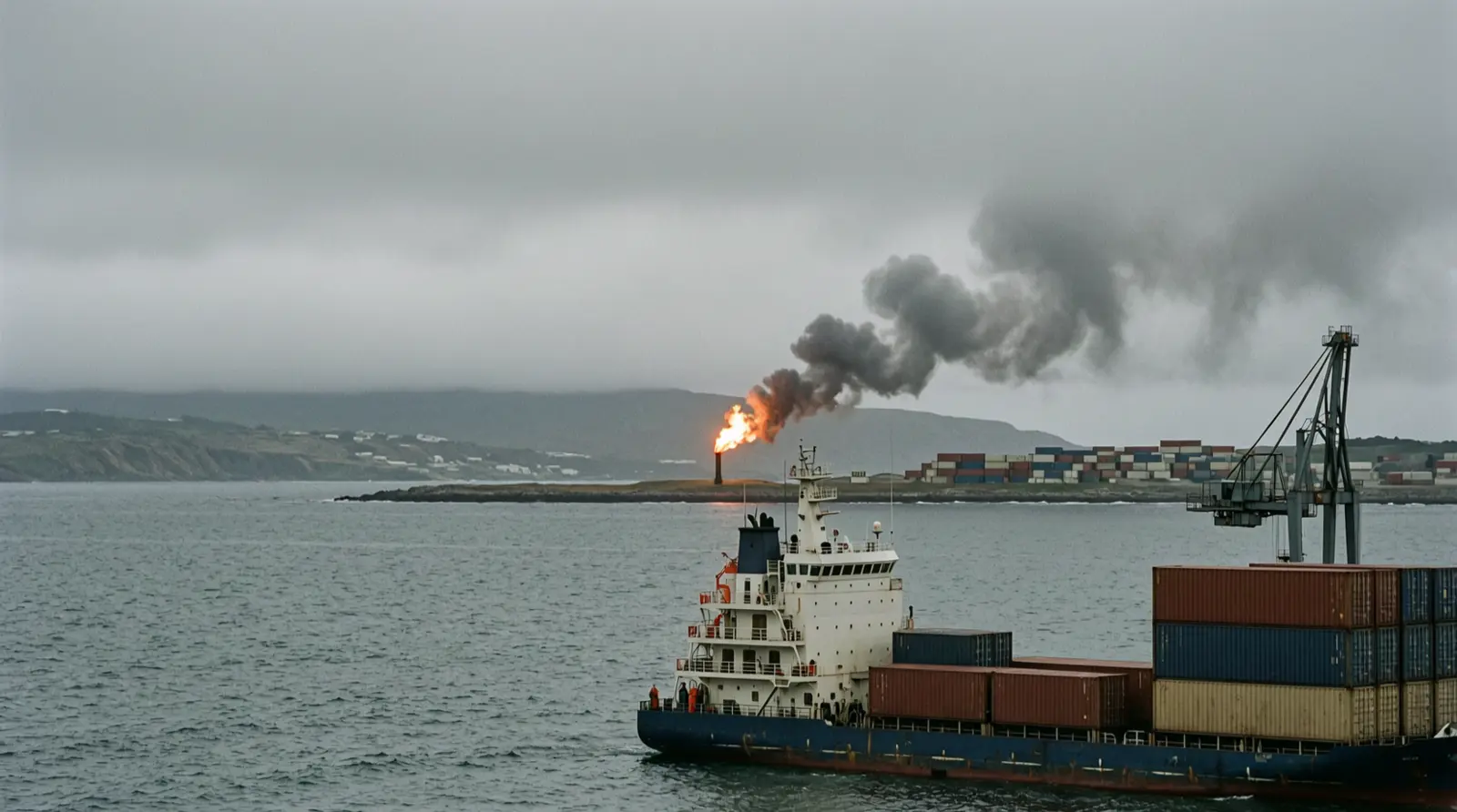
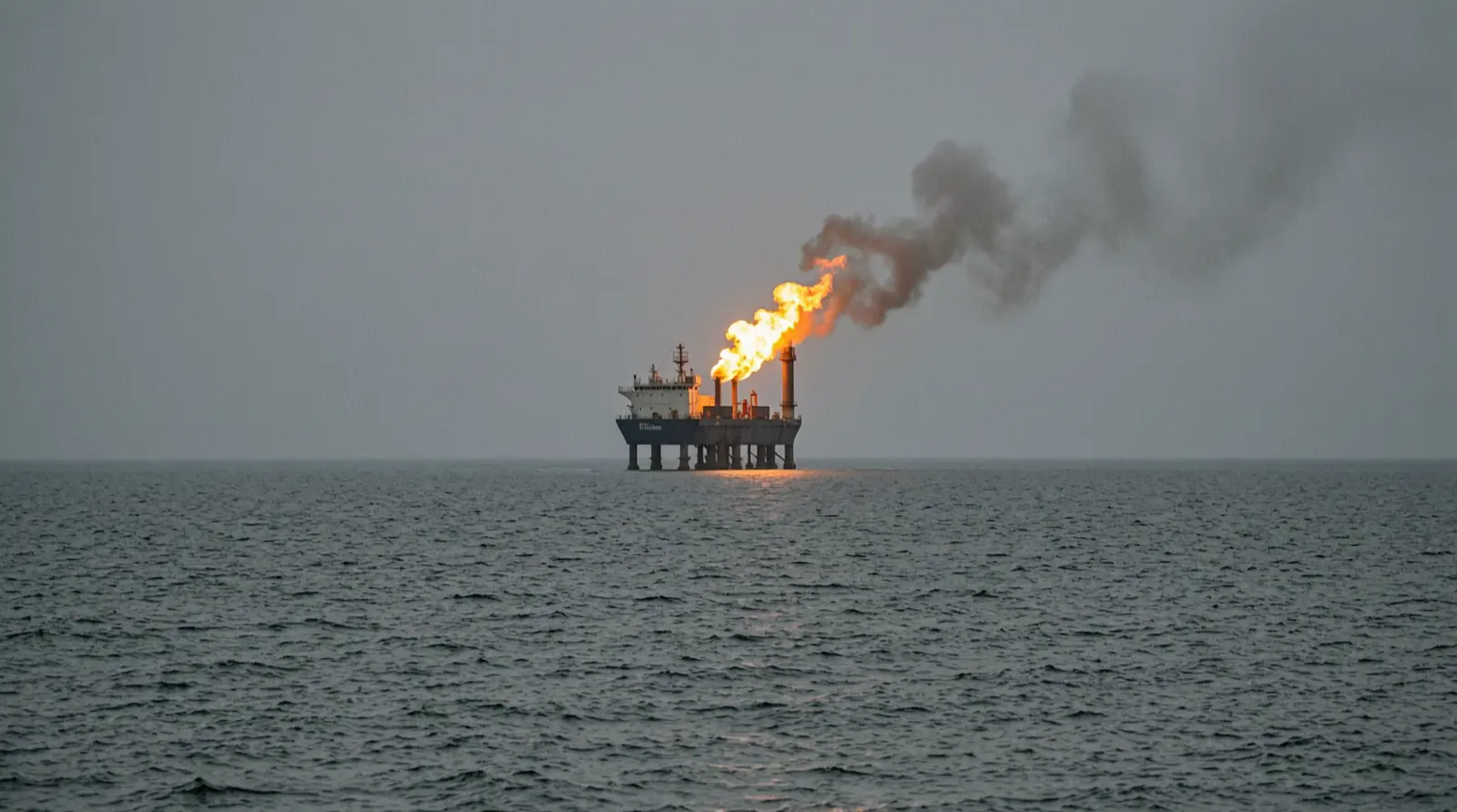
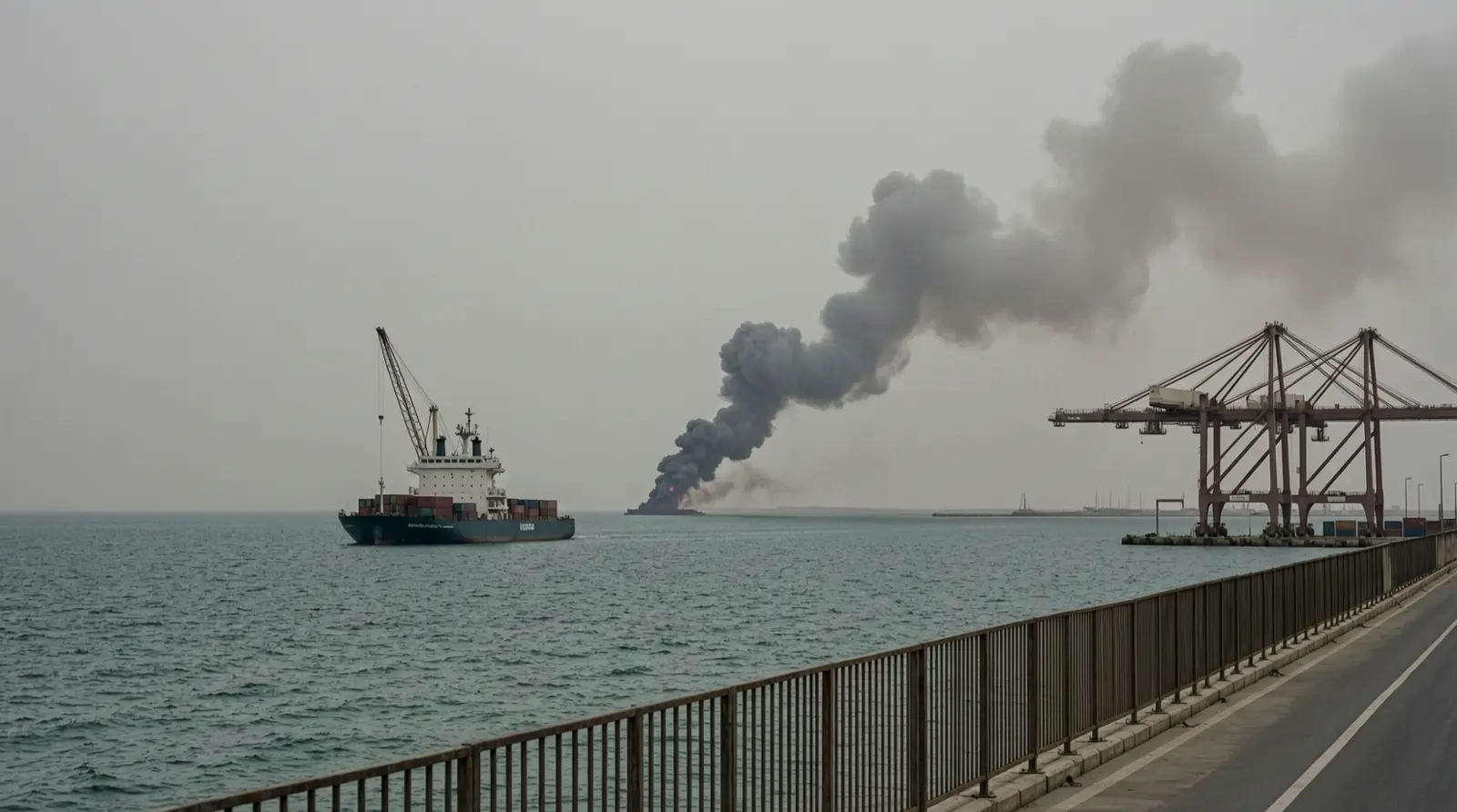
If a ship hit well outside Hormuz is confirmed as an Iranian strike, the war-risk map for Gulf tankers and LNG carriers gets larger, and every premium quote with it.
Tomás FerreiraEnergy, shipping and chokepointsA 1 C 5 6 claims
If Houthi fire is reaching Saudi Arabia's Gulf-coast refining, supply risk has left Hormuz, but the evidence so far is thinner than the headlines suggest.
Tomás FerreiraEnergy, shipping and chokepointsA 2 C 4 6 claims
Money reported to be flowing into long-term gas export capacity deserves attention, but the price prints and deal reports framing it are the least settled part of the story.
Tomás FerreiraEnergy, shipping and chokepointsA 2 C 4 6 claims
Two incidents being filed as glitches may share an actor, and anyone pricing cold-chain resilience needs to know which reading holds before the next heatwave tests it.
Tomás FerreiraEnergy, shipping and chokepointsC 6 6 claims
Banks, a Gulf producer and a US trade outlet are reading the same disruption in different ways, and the storage and routing assumptions behind those readings decide who is right about the next few months of cargoes.
Tomás FerreiraEnergy, shipping and chokepointsA 1 C 5 6 claims
Buyers are paying up for alternative barrels and gas, and the forecast for crude points below today's price, so the cost of rerouting depends on which number is right.
Tomás FerreiraEnergy, shipping and chokepointsC 6 6 claims
Who holds the House and Senate after November decides which energy, trade and defence bills reach the floor, so a rally in Iowa or Kansas is a distant signal for anyone who moves barrels, tonnes or steel.
Tomás FerreiraEnergy, shipping and chokepointsC 5 5 claims
A restored pipeline route would change European gas contracts and pricing assumptions, but the reporting so far describes talks, not a plan, and the truce's end is itself unconfirmed.
Tomás FerreiraEnergy, shipping and chokepointsA 1 C 6 7 claims
Anyone moving barrels or tonnage needs to separate a talks-driven crude sell-off from the physical risk to Gulf shipping that still drives freight and insurance costs.
Tomás FerreiraEnergy, shipping and chokepointsA 1 C 5 6 claims
If the LNG carrier Al Mayeda really held Iranian approval when it was hit, Hormuz gas transit may depend on bilateral permissions rather than a blanket closure, and buyers would need to price it ship by ship.
Tomás FerreiraEnergy, shipping and chokepointsA 2 C 4 6 claims
A contested count and a short clock could tip Israel into a longer standoff, and the reporting does not yet give the seat totals that would show how deep it runs.
Tomás FerreiraEnergy, shipping and chokepointsC 6 6 claims
A defeated primary rival backing the Republican, with Trump inviting her to switch parties, is the kind of signal that changes how a close Senate seat is priced and how much the Democratic coalition can absorb.
Tomás FerreiraEnergy, shipping and chokepointsC 5 5 claims
A non-aggression pact floated through Oman would add a second diplomatic channel beside the US-Iran talks, and the price data suggests the stakes are high.
Tomás FerreiraEnergy, shipping and chokepointsA 2 B 1 C 3 6 claims
Power demand from AI data centres and the metals needed for nuclear and grid build-out are now drawing on the same limited supply chain, and the price signals point to the wires, not the fuel, as the tight link.
Tomás FerreiraEnergy, shipping and chokepointsA 4 C 4 8 claims
A draft that drops ban language can shift polar investment planning years before any barrel moves, and the only hard prices behind this story are thinner than they look.
Tomás FerreiraEnergy, shipping and chokepointsA 2 C 5 7 claims
Europe's cost-of-living anger is real enough to matter to anyone pricing housing, labour or public spending, but a common date does not prove a common pattern.
Tomás FerreiraEnergy, shipping and chokepointsC 5 5 claims
Whether Gulf shipping risk is now moving LNG prices matters to anyone buying gas on a long-term contract, and to anyone pricing the oil that sets their costs.
Tomás FerreiraEnergy, shipping and chokepointsA 2 C 4 6 claims
Two Yemen developments, each reported largely by a party that gains from it, are being read as signals for Red Sea shipping risk, and the link is not yet shown.
Tomás FerreiraEnergy, shipping and chokepointsC 5 5 claims
Xi's claim that tight party control does not slow the economy is aimed at officials who hesitate, and that hesitation shows up in approvals and orders long before it shows up in growth figures.
Tomás FerreiraEnergy, shipping and chokepointsC 5 5 claims
Al Jazeera's reporting links harvest-season violence, home demolitions and medical strain across three places, but the material gives no counts that would show whether the links hold.
Tomás FerreiraEnergy, shipping and chokepointsC 5 5 claims
A single failed roof has become the reference point for a change of government, and anyone pricing Serbian political risk needs to know how far one incident can travel.
Tomás FerreiraEnergy, shipping and chokepointsC 4 4 claims
Water and power strains could reach commodity supply and project timelines, but the evidence tying them together is far thinner than the headlines suggest.
Ama BoatengAgriculture, food and waterA 2 C 5 7 claims
Physical traffic through Hormuz may be moving on a different clock from the negotiating track, and the difference decides how much a barrel should carry.
Tomás FerreiraEnergy, shipping and chokepointsA 1 C 6 7 claims
Upstream money is moving toward frontier barrels just as Russia extends its diesel export ban, and the price data does not yet show which one is driving the other.
Tomás FerreiraEnergy, shipping and chokepointsA 3 C 4 7 claims
If a revived grain corridor and a Syrian defence-pact approach both hold, freight and grain routing around Turkey would change, but the sources for both are still thin.
Ama BoatengAgriculture, food and waterA 2 C 4 6 claims
A same-name ballot listing has become a national story and a possible Senate-seat question, but the public record so far is much thinner than the headlines.
Tomás FerreiraEnergy, shipping and chokepointsC 5 5 claims
Cost-of-living anger that reaches the household budget, and the school grievances that reach public spending, could both weigh on French demand, but the evidence so far is thin.
Tomás FerreiraEnergy, shipping and chokepointsC 4 4 claims
Military budgets and fuel bills are being tied together on European streets, but the evidence shows a few city rallies and one announced German action, not yet a wave.
Tomás FerreiraEnergy, shipping and chokepointsA 2 C 4 6 claims
A campaign that never named Gaza and a school year that has restarted under fire point to a policy question the next government will inherit whether or not voters raised it.
Tomás FerreiraEnergy, shipping and chokepointsC 6 6 claims
Parliamentary pressure to leave the nuclear treaty and a diplomatic channel with Washington point in opposite directions, and the gap decides how much Gulf risk belongs in a barrel price.
Tomás FerreiraEnergy, shipping and chokepointsA 1 C 4 5 claims
If cost-of-living anger rather than party identity decides the November midterms, the pressure will show first in the Rio Grande Valley and in the Senate races now in play.
Tomás FerreiraEnergy, shipping and chokepointsA 2 B 1 C 3 6 claims
Anyone holding crude, refining or offshore exposure needs to know whether a corruption case at the top of China's oil sector is a signal about who will run the state energy system next.
Tomás FerreiraEnergy, shipping and chokepointsC 5 5 claims
When a head of state joins protesters against the country's top court, the question becomes who enforces the law, and that matters to anyone watching Polish institutions.
Tomás FerreiraEnergy, shipping and chokepointsB 1 C 4 5 claims
Shipping, food import and freight costs in the Red Sea region depend on whether one reported strike becomes a wider conflict, and the evidence so far does not show that.
Ama BoatengAgriculture, food and waterC 5 5 claims
A $2.1bn air-defence sale for Kyiv and a localised pause near the Dnipro delta matter to anyone tracking the war's logistics, but both rest on thin sourcing.
Tomás FerreiraEnergy, shipping and chokepointsC 7 7 claims
Early voting at record pace and a reported Democratic poll lead will shape how the 3 November vote is read, but several of the figures arrive without sources a reader can inspect.
Tomás FerreiraEnergy, shipping and chokepointsC 7 7 claims
If the count is four burning hulls rather than one, the risk to cargoes moving through the strait changes shape, and so far the only source for that count is Tehran.
Tomás FerreiraEnergy, shipping and chokepointsC 5 5 claims
Energy costs are reaching voters at the pump and the boiler, but the route from there to House control runs through California maps and courtrooms, and some of the numbers need checking before anyone builds on them.
Tomás FerreiraEnergy, shipping and chokepointsA 3 C 3 6 claims
Washington is speeding up export capacity while raising the cost of the ships that must carry it, and the bottleneck may sit at the terminal and at sea rather than in the gas field.
Tomás FerreiraEnergy, shipping and chokepointsA 2 C 5 7 claims
If freight benchmarks and sanctions diplomacy bend under the Iran war, the contracts and insurance terms that move physical cargoes will bend with them.
Tomás FerreiraEnergy, shipping and chokepointsA 1 C 5 6 claims
If Japan really becomes the largest LNG buyer, Asian gas contracts and government budgets both feel the pull, but the supporting prices need checking first.
Tomás FerreiraEnergy, shipping and chokepointsA 3 C 3 6 claims
If the Strait attack, the Mecca drone and the Jask explosions are one campaign, the crude risk premium has further to run; if they are not, it has already priced more than the evidence shows.
Tomás FerreiraEnergy, shipping and chokepointsC 6 6 claims
Majors are booking windfalls at a crude price that forecasters already expect to ease, so anyone pricing barrels or buybacks needs to know which part of the gain is durable.
Tomás FerreiraEnergy, shipping and chokepointsA 1 C 5 6 claims
If the rare earth deals with Washington depend on who holds Brasília, the reader needs to know which of these reports is documented and which is framing.
Annika RautioMetals, mining and refiningB 3 C 2 5 claims
Readers exposed to power and fuel costs need to know whether the AI demand story is underwriting nuclear's export and waste milestones or only being argued for in print.
Tomás FerreiraEnergy, shipping and chokepointsA 3 C 4 7 claims
A shipping line gaining from longer routes while a carmaker misses in a price war is a split that matters for anyone judging the quality of Chinese earnings.
Tomás FerreiraEnergy, shipping and chokepointsA 1 C 4 5 claims
Cancelled trips to Abu Dhabi and LNG buyers hedging Hormuz matter to anyone whose cargoes pass the strait, but only if one war is really behind all of it.
Tomás FerreiraEnergy, shipping and chokepointsC 6 6 claims
Waiver fights and domestic-build rules now bear on when Empire Wind makes its first power and what offshore developers pay for the ships that install it.
Tomás FerreiraEnergy, shipping and chokepointsC 5 5 claims
The hinge on any change of government, and on any shift in Gaza and West Bank policy, is whether the opposition can recruit Palestinian-Israeli parties.
Tomás FerreiraEnergy, shipping and chokepointsC 5 5 claims
A newly listed African refiner is being priced at a refining peak, and Sinopec's results show how much of that peak depends on conditions that may not hold.
Tomás FerreiraEnergy, shipping and chokepointsA 1 C 5 6 claims
A strong profit print from the world's largest industrial base is a gauge of upstream demand and pricing power, but only if we know which months it covers.
Tomás FerreiraEnergy, shipping and chokepointsB 2 C 3 5 claims
A bigger North Sea gas find and a refusal of new climate finance point in the same direction, but the reporting on each is thinner than the pairing suggests.
Tomás FerreiraEnergy, shipping and chokepointsC 6 6 claims
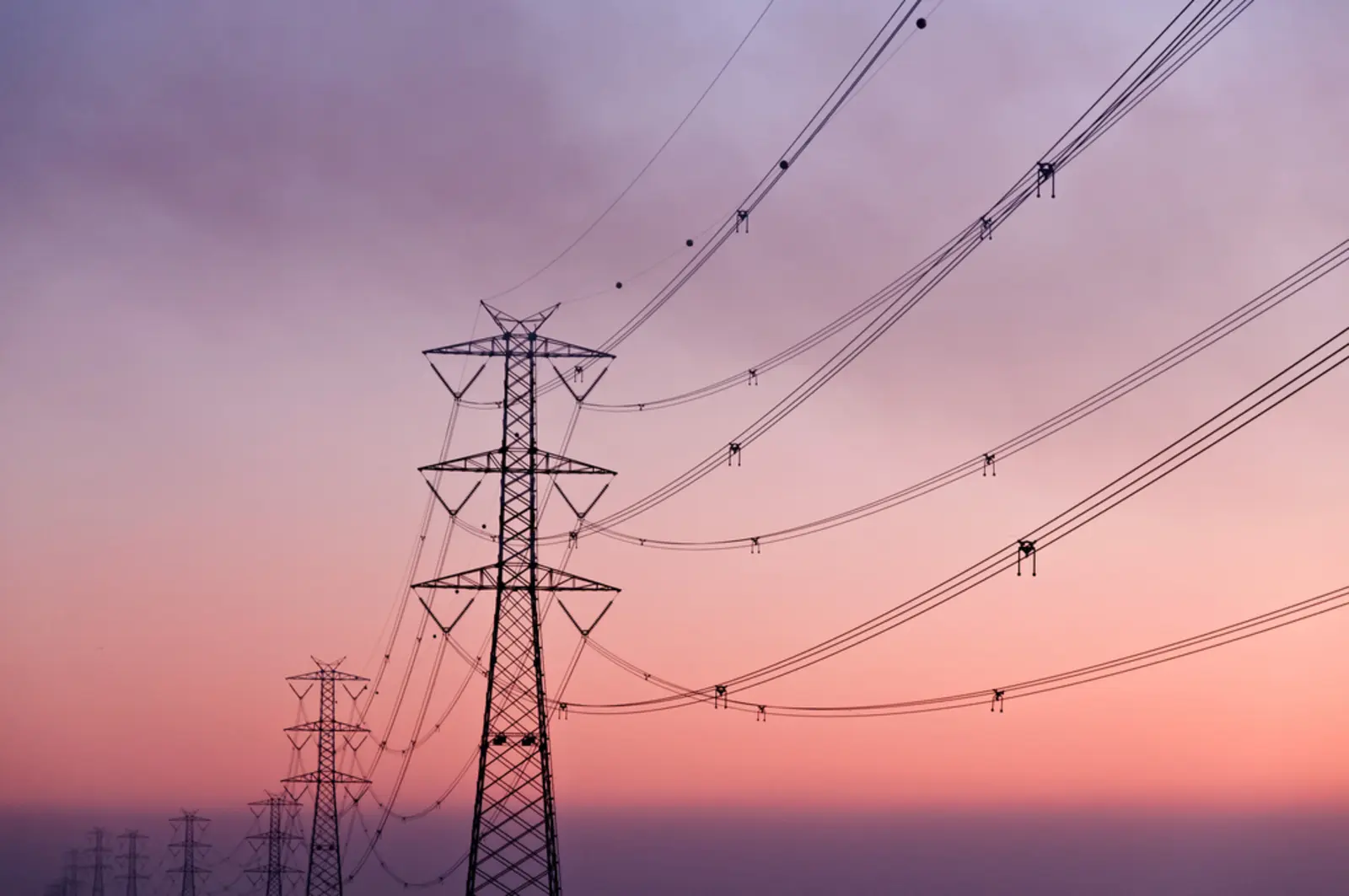
Europe's energy ministers are meeting as winter arrives, and the money is moving into the high-voltage wires that any energy shock would have to pass through.
Tomás FerreiraEnergy, shipping and chokepointsA 1 C 5 6 claims
If emerging-market stocks and currencies are being sold together into Fed week, dollar funding costs are the channel to watch, and the evidence so far is thinner than the headlines suggest.
Tomás FerreiraEnergy, shipping and chokepointsC 5 5 claims
Crude gave back part of its week's gains after a reported US-Iran contact, and Singapore's energy minister says the risk behind the rally is not a one-off.
Tomás FerreiraEnergy, shipping and chokepointsA 2 C 4 6 claims
Buyers pricing diesel and jet off a $123.10 Brent reading need diplomacy that moves cargoes, not headlines, and the refinery-damage reports are the part that cannot yet be tied to specific sites.
Tomás FerreiraEnergy, shipping and chokepointsA 2 C 4 6 claims
A cargo sold as part of a US-Russia deal may be heading toward Cuba, the same week the UN condemned the American embargo, and the test is what US energy restrictions actually block.
Tomás FerreiraEnergy, shipping and chokepointsC 6 6 claims
A single unexplained oil price, a stranded voyage and a fast-tracked Texas LNG approval all point to costly energy, but each piece rests on thin sourcing.
Tomás FerreiraEnergy, shipping and chokepointsA 1 C 5 6 claims
Sanctioned energy exports are being turned into political and military ties, but the sourcing behind the jets and the gas discount is far thinner than the framing suggests.
Tomás FerreiraEnergy, shipping and chokepointsC 7 7 claims
If a single cargo of Russian diesel is refused, US buyers would have to replace barrels from farther away, and the cost would show up in their import contracts.
Tomás FerreiraEnergy, shipping and chokepointsA 2 C 4 6 claims
Central banks and finance ministers are being pushed to treat energy as the main story, but the crude prices underneath are telling two different stories.
Tomás FerreiraEnergy, shipping and chokepointsA 2 C 5 7 claims
Whether Russian trade is collapsing or adjusting decides how sanctions and freight costs should be priced over the next months, and the sources point in different directions.
Tomás FerreiraEnergy, shipping and chokepointsA 1 C 6 7 claims
Anyone pricing crude for the next quarter needs to know whether the widest Brent-WTI gap in this week's series reflects a real supply squeeze or a data artefact.
Tomás FerreiraEnergy, shipping and chokepointsA 4 C 3 7 claims
Moscow's gas offer and Warsaw's diesel warning would matter for winter supply, but the only hard numbers point to a product problem rather than a gas squeeze.
Tomás FerreiraEnergy, shipping and chokepointsA 3 C 3 6 claims
A congressional warning aimed at the banks and ports that finance and berth diesel cargoes would matter more to traders than the Ukrainian price rise it is being linked to, if it is acted upon.
Tomás FerreiraEnergy, shipping and chokepointsA 2 C 4 6 claims
The size of Indonesia's cut decides whether Singapore's power and industrial users face a shortfall or a rounding error, and the two governments' figures point in different directions.
Tomás FerreiraEnergy, shipping and chokepointsA 2 B 2 C 2 6 claims
Shipping and energy earnings are jumping, and if the Strait of Hormuz is physically impaired, the cargoes will have to find another way out, so the evidence needs checking now.
Tomás FerreiraEnergy, shipping and chokepointsA 2 C 3 5 claims
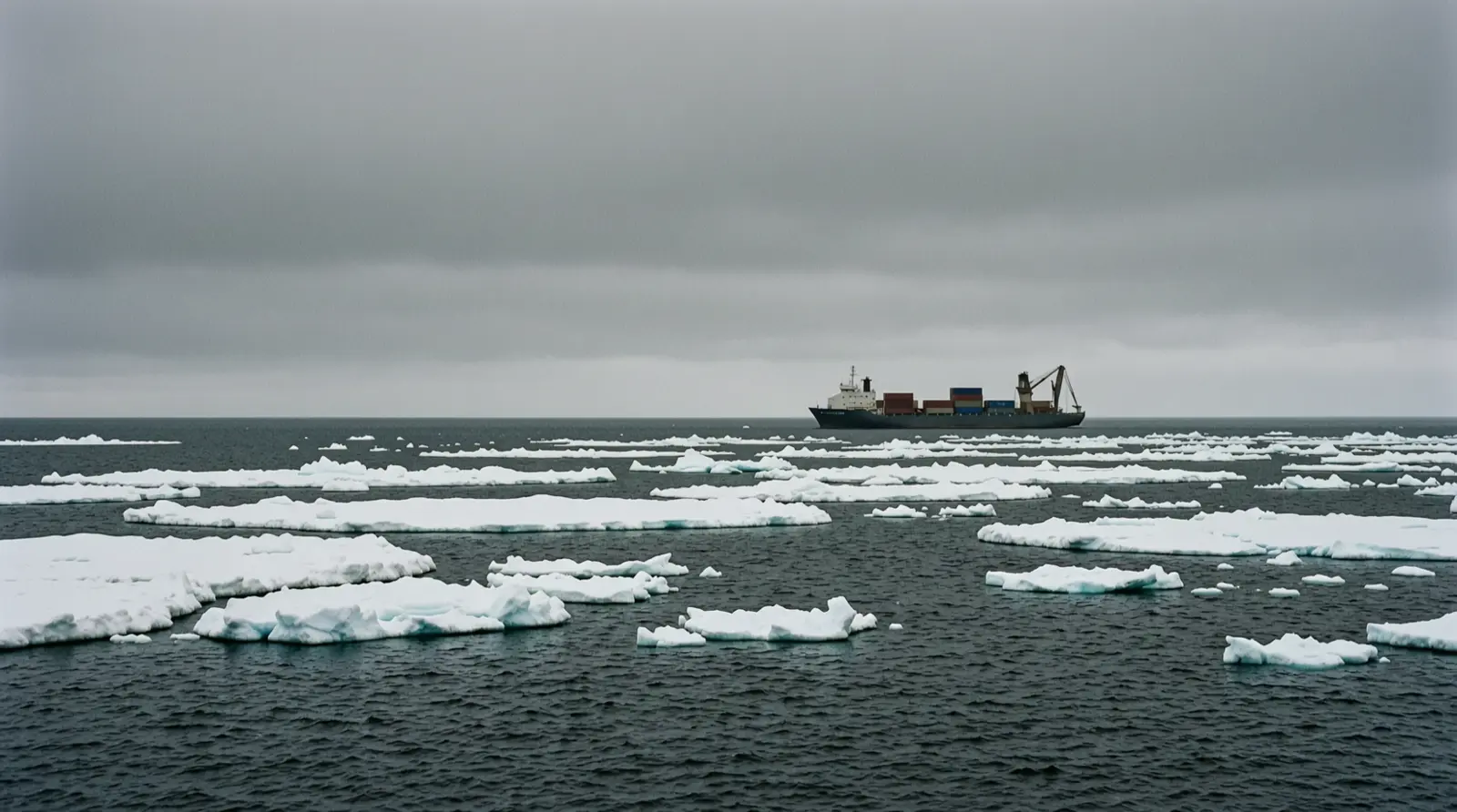
Russia's expected surge in Northern Sea Route traffic would put more hulls in icy water just as US investigators say their monitoring rules have holes.
Tomás FerreiraEnergy, shipping and chokepointsC 4 4 claims
Refiners and shipowners who move Gulf and Russian barrels could gain or lose position if these reported delistings and India's trade overtures turn into cargoes.
Tomás FerreiraEnergy, shipping and chokepointsA 2 C 3 5 claims
Traders and procurement desks are being asked to price a Middle East restart around a US election, and the evidence for that link is thinner than the headlines suggest.
Tomás FerreiraEnergy, shipping and chokepointsA 3 C 4 7 claims
Cruise operators, Baltic ports and American households are being told one fuel shock is at work, and the evidence for that single link is thinner than the headline suggests.
Tomás FerreiraEnergy, shipping and chokepointsA 2 C 4 6 claims
Traders pricing barrels need to know whether a Red Sea attack moved the market or merely coincided with it, because the answer changes how long the premium might last.
Tomás FerreiraEnergy, shipping and chokepointsA 3 C 3 6 claims
With turnout reported at a fifty-year high and no clear winner in the exit polls, the wait for an official result shapes how far anyone can trust the early numbers.
Tomás FerreiraEnergy, shipping and chokepointsC 5 5 claims
Importers planning winter diesel buys need to know whether this is a quarter's squeeze or a year's, and the answer currently rests on a single outlet's analysis.
Tomás FerreiraEnergy, shipping and chokepointsA 2 C 4 6 claims
A flat quota and a discounted Saudi barrel suggest that volume and price are being traded at the margin rather than cut, which matters to anyone buying winter cargoes.
Tomás FerreiraEnergy, shipping and chokepointsA 2 C 2 4 claims
Procurement and planning choices made now decide which power sources survive a shock, so it matters which parts of this package are facts and which are attributed reports.
Tomás FerreiraEnergy, shipping and chokepointsA 1 C 6 7 claims
Sanctioned producers are building partnerships on Russian ground while a $115 barrel arrives with no stated driver, and the next cargo decision depends on which one is real.
Tomás FerreiraEnergy, shipping and chokepointsA 1 C 5 6 claims
Pump-level oversight and shorter station hours show how a major Asian importer is managing its fuel squeeze at the forecourt, where the reporting carries no stock or price figures.
Tomás FerreiraEnergy, shipping and chokepointsB 1 C 3 4 claims
Two state-backed diesel offers in one week would matter to any buyer booking cargoes for the coming months, and the reporting behind them is thinner than the headlines suggest.
Tomás FerreiraEnergy, shipping and chokepointsA 2 C 5 7 claims
A looser methane regime and a startup's exodus over alleged Russian funding both touch the gas that US buyers and sanctions lawyers will price this winter.
Tomás FerreiraEnergy, shipping and chokepointsA 1 C 6 7 claims
If Russian diesel is being rerouted and the only word on Washington's role is a minister's denial, the buyers who absorb the shortfall are still unclear.
Tomás FerreiraEnergy, shipping and chokepointsA 1 C 4 5 claims
A reported four-nation diplomatic round has landed in the same news cycle as a crude basket that Indian refiners are already paying for, and the link between the two is less settled than the price screen suggests.
Tomás FerreiraEnergy, shipping and chokepointsA 1 C 5 6 claims
The campaign is being sold as a duel, but a list-based ballot decides seats first, and the closures reported on polling day will matter to anyone moving goods or labour across the territories.
Tomás FerreiraEnergy, shipping and chokepointsC 6 6 claims
Competing narratives on the war's price are reaching the record before the data that would settle them, and that gap matters for anyone forecasting energy and commodity prices.
Tomás FerreiraEnergy, shipping and chokepointsA 2 C 4 6 claims
Export cuts and domestic drilling pushes could reshape where Asia's energy comes from for years, so the reader needs to know which parts are measured and which are asserted.
Tomás FerreiraEnergy, shipping and chokepointsA 1 C 5 6 claims
If the October tally holds, the cost of moving Gulf crude is being set by hulls hit and routes changed, and those are the numbers insurers and charterers will price.
Tomás FerreiraEnergy, shipping and chokepointsA 1 C 5 6 claims
Europe's energy cost and its trade response are being tied together by a number nobody has shown how to count, and the cargoes that would prove it are not yet visible.
Tomás FerreiraEnergy, shipping and chokepointsA 2 C 4 6 claims
Gasoline costs under the Trump-era average are now a question on the 3 November ballot, and the numbers behind the story point in more than one direction.
Tomás FerreiraEnergy, shipping and chokepointsA 3 C 4 7 claims
Oil prices and a Gulf defence commitment are moving on claims that have not yet been confirmed, and the gap between the two is where the risk sits for anyone moving barrels through the region.
Tomás FerreiraEnergy, shipping and chokepointsA 2 C 4 6 claims
Refiners are lifting output against export quotas, and whether the US-Russia arrangement holds now depends on whether a single bank or terminal refuses a cargo.
Tomás FerreiraEnergy, shipping and chokepointsA 2 C 3 5 claims
The scale of displacement in Hebron is being set by a single outlet and a handful of loaded words, which matters to anyone pricing Palestinian-linked assets or regional risk.
Tomás FerreiraEnergy, shipping and chokepointsC 6 6 claims
If the strikes are real, Black Sea war-risk cover and grain freight reprice fast, so a count that changes between statements matters to anyone moving Ukrainian grain.
Tomás FerreiraEnergy, shipping and chokepointsC 5 5 claims
Al Jazeera presents the Israeli vote as a possible reset of Palestinian policy, a reading that rests largely on the outlet's own reporting and deserves checking before anyone prices it in.
Tomás FerreiraEnergy, shipping and chokepointsC 5 5 claims
The East-West pipeline is the bypass for Hormuz-blocked Saudi crude, so whether any pumping station actually went offline matters more than who said what.
Tomás FerreiraEnergy, shipping and chokepointsA 1 B 1 C 4 6 claims
Diplomacy with Tehran during active Saudi-Houthi fighting could decide whether the Gulf supply risk eases or escalates, and the reporting behind it is thinner than it sounds.
Tomás FerreiraEnergy, shipping and chokepointsA 1 B 1 C 4 6 claims
A storage hub in Singapore would sit outside the Strait of Hormuz, but the reports describing it are secondhand, and the price it is meant to cushion is already far above $100.
Tomás FerreiraEnergy, shipping and chokepointsA 2 C 5 7 claims
Early reports of seven dead at a Gaza City university, and a Washington denial on Lebanon, widen a regional conflict that energy and food markets are pricing differently.
Tomás FerreiraEnergy, shipping and chokepointsC 5 5 claims
Diesel and gas costs may climb with the Gulf risk, but the evidence gives a single five-day-old price and no route to the cause, so buyers should know what is still unproven.
Tomás FerreiraEnergy, shipping and chokepointsA 2 C 4 6 claims
Reserve sales and a disputed price spike are different signals, and anyone pricing supply risk needs to know which one the market is actually reacting to.
Tomás FerreiraEnergy, shipping and chokepointsA 3 B 1 C 2 6 claims
If mines, not only missiles, are now the hazard in the strait, insurers, clearance crews and rerouting planners face a different problem, and the sources describing it disagree sharply.
Tomás FerreiraEnergy, shipping and chokepointsA 2 C 5 7 claims
Closures across several emirates turn a single-shoreline problem into a liability and clean-up question for everyone moving cargo through the southern Gulf.
Tomás FerreiraEnergy, shipping and chokepointsB 1 C 4 5 claims
If Israel closes every land crossing into the West Bank on election day, people who depend on daily movement will feel it before anyone counts the votes.
Tomás FerreiraEnergy, shipping and chokepointsB 1 C 6 7 claims
Reports of post-midterm strike options and Brent near 115 a barrel are both real signals, but the link between them is still unproven, and it matters to anyone pricing Gulf barrels.
Tomás FerreiraEnergy, shipping and chokepointsA 1 C 6 7 claims
Brent at 115.22 and WTI at 107.89 sit beside an export-normalization signal and a Hormuz risk warning, leaving physical market participants to judge which side is real.
Tomás FerreiraEnergy, shipping and chokepointsA 2 C 5 7 claims
A futures rally described as a five-month high is running against softer physical Middle East crude, leaving the oil market’s geopolitical signal hard to read.
Tomás FerreiraEnergy, shipping and chokepointsA 1 C 7 8 claims
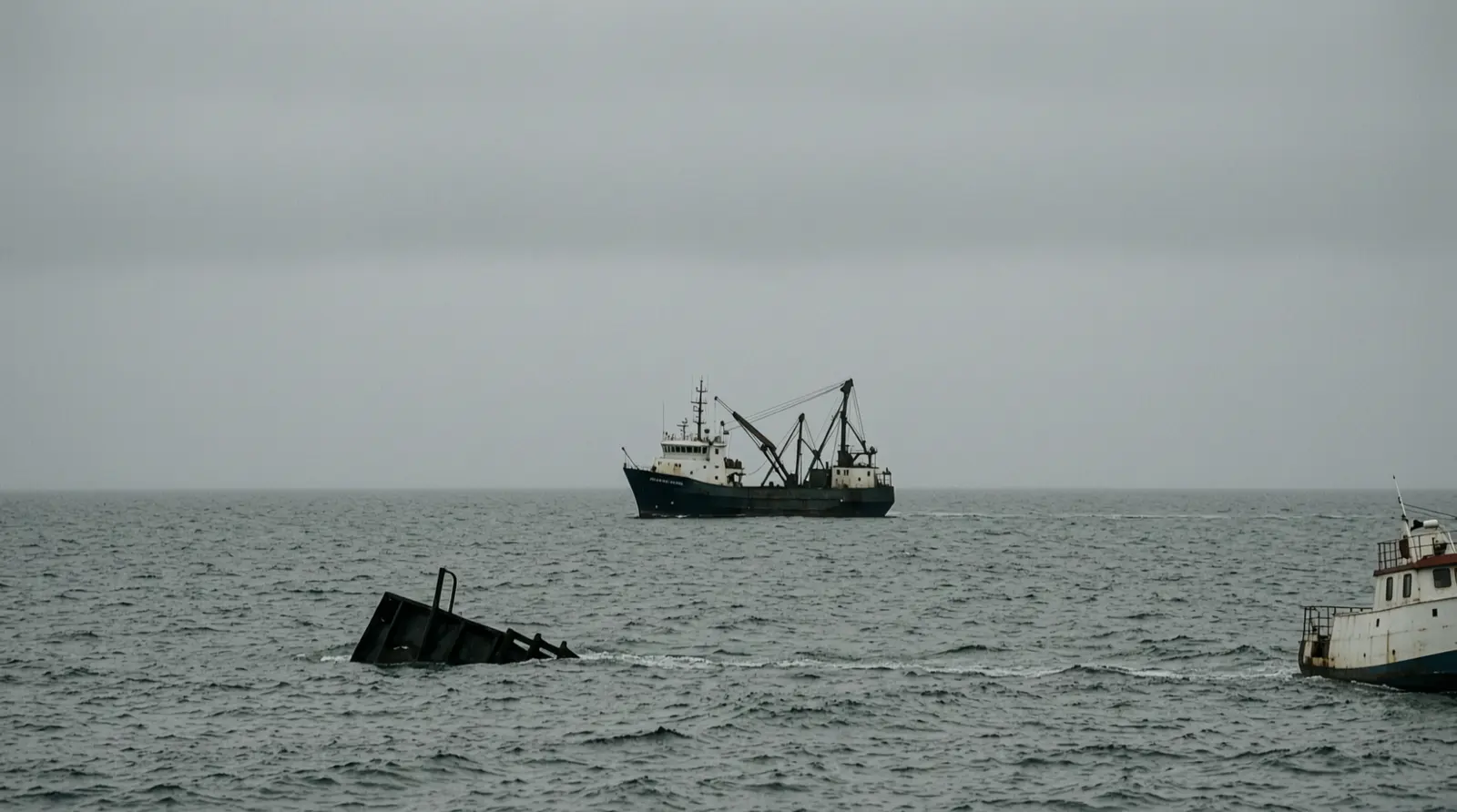
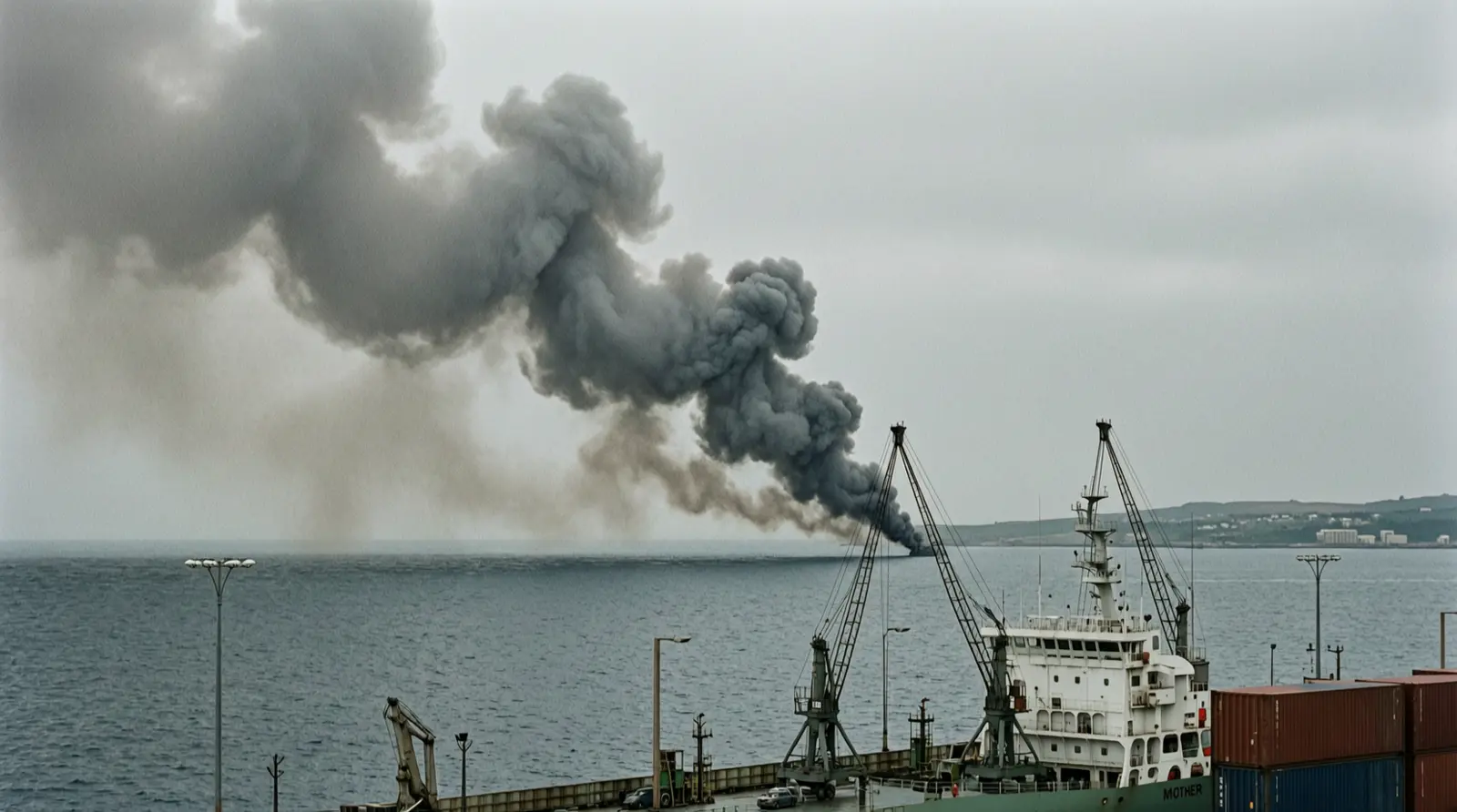
Conflicting reports of mines and a projectile strike near the Strait of Hormuz matter because they can move crude and tanker risk before facts are settled.
Tomás FerreiraEnergy, shipping and chokepointsA 2 B 1 C 5 8 claims
A reported softening in Middle East benchmarks against falling US stocks and a wide Brent-WTI spread points to shifting crude routes, not a simple price direction.
Tomás FerreiraEnergy, shipping and chokepointsA 2 C 5 7 claims
If these reports are linked, insurance and freight costs for Gulf cargoes could reprice quickly; if not, the market is being asked to pay for a risk that has not been proven.
Tomás FerreiraEnergy, shipping and chokepointsA 2 C 6 8 claims
A reported push for more US diesel output collides with freight costs that have jumped from $3 to $20 per barrel, tightening transport and fuel-security margins.
Tomás FerreiraEnergy, shipping and chokepointsA 2 C 5 7 claims
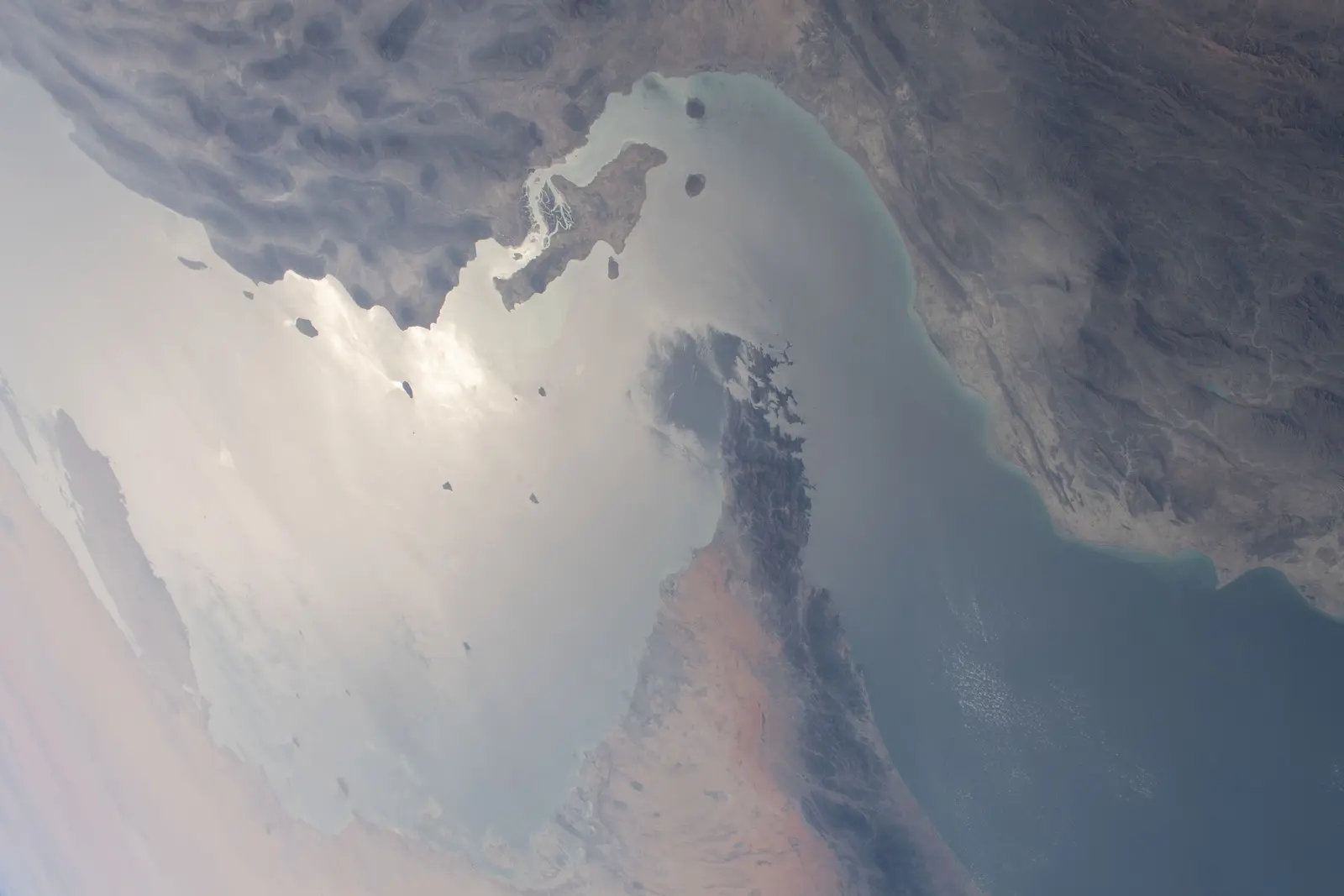
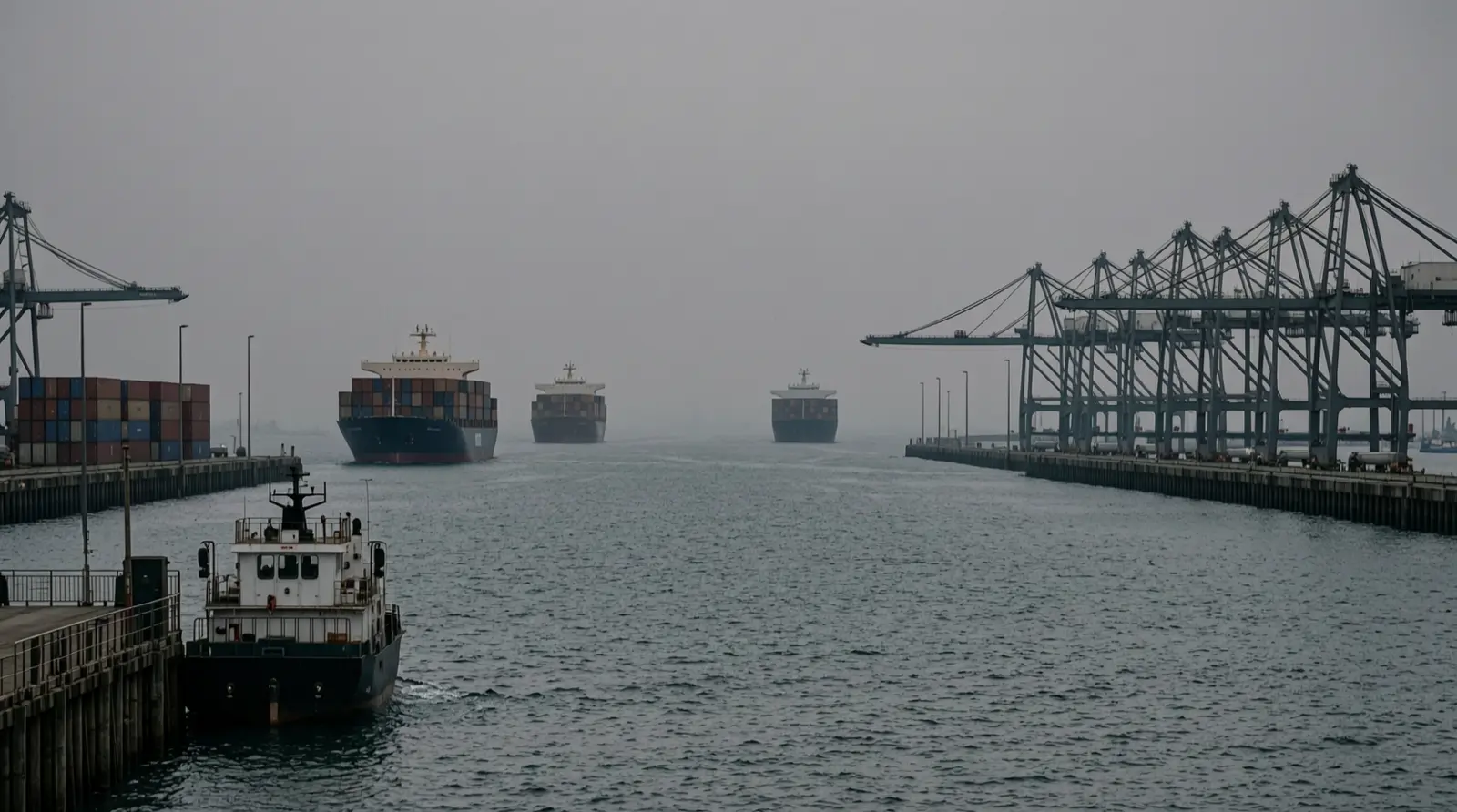
A stalemate in US-Iran talks and continuing attacks in the Strait of Hormuz keep energy and shipping risk priced into every cargo that must use the waterway.
Tomás FerreiraEnergy, shipping and chokepointsA 1 C 7 8 claims
Early results pointing to a rejection of separation lower the immediate jurisdictional risk to Canadian crude and pipelines, but the exact meaning of the no remains unsettled.
Tomás FerreiraEnergy, shipping and chokepointsA 3 B 1 C 4 8 claims
More Iraqi barrels and faster stock releases may ease supply, but high shipping costs can keep delivered Middle East crude uneconomic for Asian refiners.
Tomás FerreiraEnergy, shipping and chokepointsA 1 C 7 8 claims
Firm oil and gas prices are colliding with reported strikes, a pipeline trial and an unverified policy sequence that could shape Europe's physical fuel risk.
Tomás FerreiraEnergy, shipping and chokepointsA 2 C 5 7 claims
If the New England wind jump and negative Waha prices hold, gas-fired generators and producers face different kinds of pain before third-quarter earnings.
Tomás FerreiraEnergy, shipping and chokepointsA 3 B 1 C 2 6 claims
A reported hit near Saudi oil administration and shifting military lines in Gaza and Lebanon are pushing physical energy markets toward a wider risk premium.
Tomás FerreiraEnergy, shipping and chokepointsA 1 C 7 8 claims
If exploration advances, Greenland could become a strategic non-China supply source, but sovereignty, permitting and Arctic costs remain major barriers.
Tomás FerreiraEnergy, shipping and chokepointsA 4 B 1 C 3 8 claims
Diplomatic progress and worsening security are pulling the same corridor in opposite directions, with fuel and copper prices showing where costs could bite.
Annika RautioMetals, mining and refiningA 2 C 6 8 claims
Singapore’s advance growth figure and a port-reported record month at Los Angeles may point to stronger freight and materials demand, but the evidence does not yet connect them.
Tomás FerreiraEnergy, shipping and chokepointsA 1 C 5 6 claims
Reported missile interceptions, Houthi accusations and extreme tanker-rate reports could turn a risk premium into physical supply risk if cargoes stop moving.
Tomás FerreiraEnergy, shipping and chokepointsA 2 C 6 8 claims
Enforcement against Russia-linked crude shipping is becoming physical, raising insurance, legal and routing risks for cargoes that already trade under sanctions pressure.
Tomás FerreiraEnergy, shipping and chokepointsB 1 C 4 5 claims
Reported strikes on Saudi infrastructure and shipping near Hormuz could hit crude, LNG and freight, but the cited market data does not yet match the scale.
Tomás FerreiraEnergy, shipping and chokepointsA 2 C 6 8 claims
One email each morning: what we published, how much of it is established, and what is contested today with
what would settle it. Free. We ask you to confirm by email first.
Read everything for 14 days, free
All three titles in full, the full daily brief, and an alert when a claim about something you follow changes.
No card, and it ends by itself.

 Tomás FerreiraEnergy, shipping and chokepoints