
A tanker fire near Hormuz turns on who controls the facts
A reported blaze east of the Strait could lift war-risk cover and tanker rates before the facts are established.
 Tomás FerreiraEnergy, shipping and chokepoints
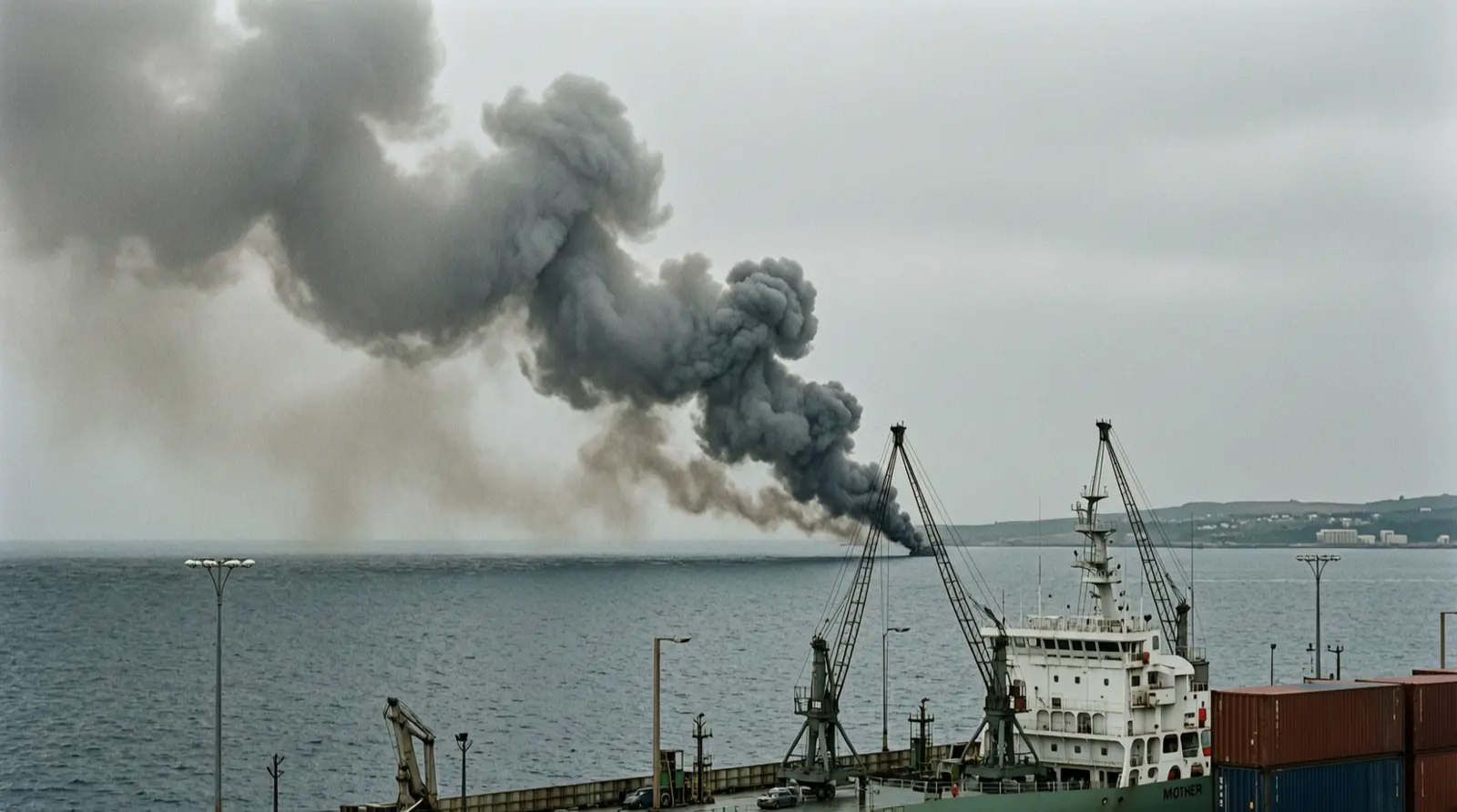
Iranian authorities say a tanker caught fire east of the Strait of Hormuz, with the vessel described as an oil tanker. They also say it was in or had crossed a restricted or prohibited area and its tracking system was off. The report is described as coming after two cargo ships were sunk in attacks, leaving insurers and charterers to price the uncertainty.
A reported tanker fire east of the Strait of Hormuz arrives as a physical problem and as an information problem. Iranian authorities say a tanker caught fire in that approach, and they add two details that matter to anyone pricing hulls and cargo: the vessel was in or had crossed a restricted or prohibited area, and its tracking system was off. Those statements are not yet matched by an independent account, so the first market response is likely to be based on the gap itself.
In shipping, the first price move often comes from what cannot yet be proved.
The account comes from one direction
Iranian authorities say there was a tanker fire. They also say the tanker was in or had crossed a restricted or prohibited area, and they say its tracking system was off. Those are three separate assertions: the incident, the position, and the absence of a signal. Each one points to a different question for a shipowner. Was there a casualty? Was it in a place where underwriters already charge more? Was the vessel dark, and therefore harder for traffic to see?
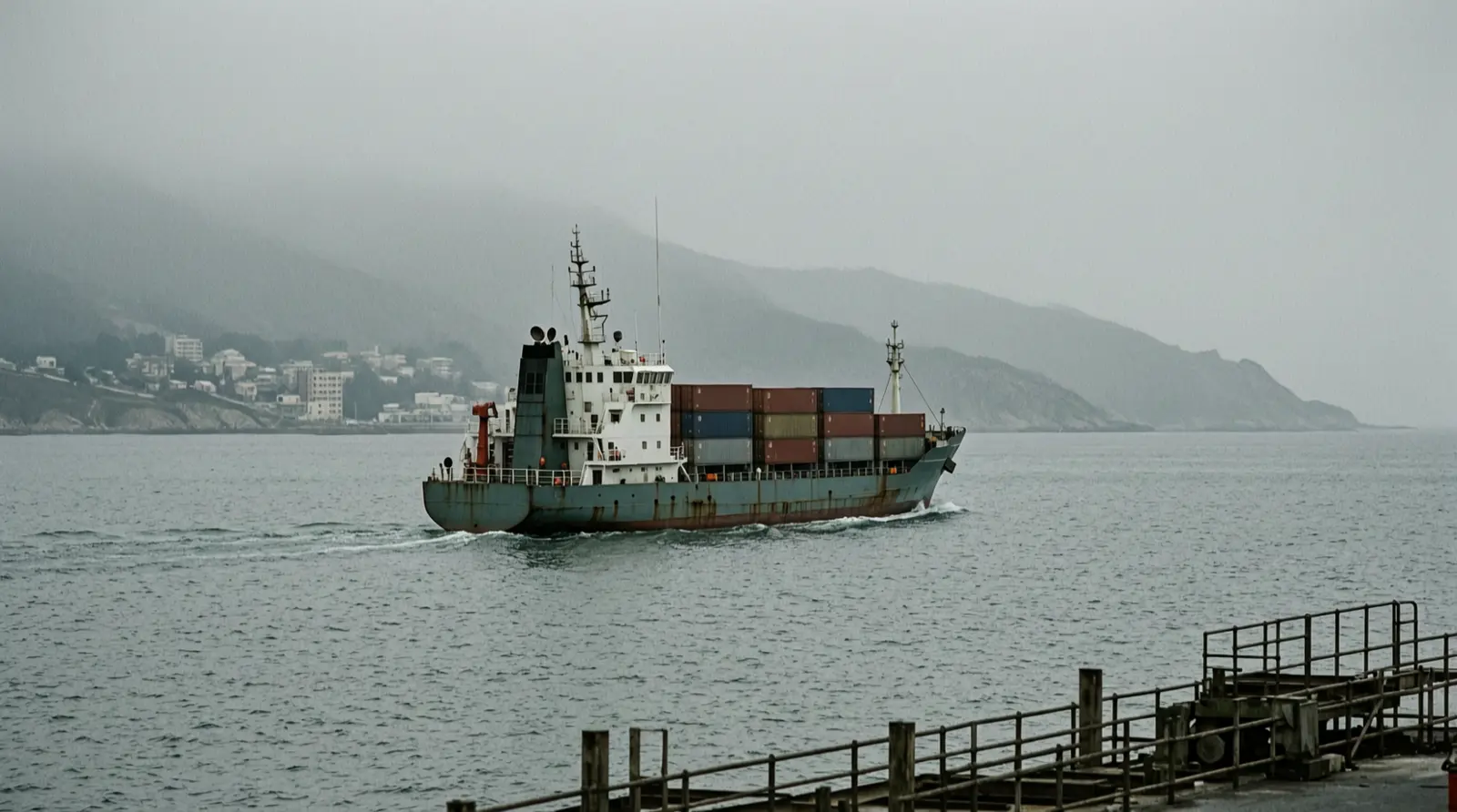
The reported location is the one that carries the most immediate weight. Accounts describing the incident place it east of the Strait of Hormuz, and the vessel is described as an oil tanker. If those two details hold, the event sits near a route on which crude and product cargoes depend. Even a single disabled tanker can force nearby traffic to slow, reroute or wait, and each of those responses consumes time.
In shipping, the first price move often comes from what cannot yet be proved.
The sequence also matters. Accounts say the fire was reported after two cargo ships were sunk in attacks. That does not prove a common cause, but it changes the way a risk desk reads the map. One incident can be an accident; two sunk ships and a reported tanker fire in the same broad theatre begin to look like a pattern, even before anyone assigns blame.
Insurers price uncertainty before certainty
War-risk cover does not need a final investigation to move. It needs a probability, and uncertainty is a kind of probability. If underwriters cannot confirm whether the reported fire was mechanical, accidental or hostile, they can still raise premia for vessels transiting the area, because the possible loss is large and the evidence is thin.
Tanker rates respond through the same channel. A charterer facing a higher chance of delay or damage can pay more for a vessel that can load soon, or it can ask for a discount to take on the risk. Owners, in turn, may demand higher compensation for entering a zone where a tracking system can be off and a restricted-area allegation can follow. The result is not a single price shock but a widening spread between offers and bids, which often appears in the market before any formal announcement.
The tracking detail is especially awkward. If a vessel's tracking system was off, other ships and shore watchers lose a common picture of where traffic is. That raises collision risk, complicates rescue and makes it harder to reconstruct events later. It also creates room for competing narratives, because the absence of data becomes part of the dispute.
The detour question is the market's real test
For crude and product flows, the practical question is not only whether a tanker burned, but what happens if the route becomes less usable. If traffic begins to treat the area as hazardous, the effects move through the system in stages. Insurance comes first. Freight follows. Then cargo schedules stretch, as loaders and buyers allow extra days for transit, inspection or waiting. A reported fire near the Strait can therefore affect a cargo that has not yet loaded, because the commercial terms are set against the risk of the whole voyage.
The open question is whether independent evidence will either confirm or weaken the Iranian account. Until then, the market is being asked to trade on a report from the authority that also supplies the explanation. That is a fragile basis for pricing risk, but it is not unusual in narrow waterways where the first account often comes from the shore closest to the incident.
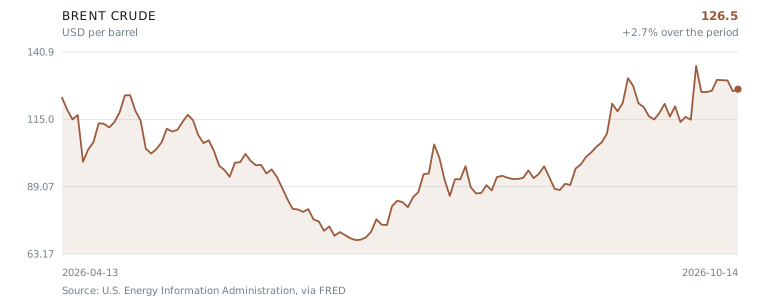
- 01Iranian authorities reported a tanker fire.
- 02They said the vessel was in or had crossed a restricted or prohibited area.
- 03They said the tanker's tracking system was off.
- 04Accounts place the fire east of the Strait of Hormuz and describe the vessel as an oil tanker.
- 05The report followed two cargo ships sunk in attacks.
Interpretation, not reporting. The facts above carry their tiers; this is one correspondent’s reading of them.
The market will not wait for a verdict on who caused the fire. The tradable fact is the route: if a tanker really burned east of the Strait of Hormuz, underwriters and charterers must assume the corridor has become less forgiving. I would watch insurance first, because premia can move before freight does. The Iranian account gives a reason to doubt: a restricted area, a dark tracking system and no independent confirmation. But doubt is not neutral. It widens spreads, slows fixtures and makes every nearby hull harder to price. If independent evidence later confirms the location and the vessel type, the move in rates could harden quickly. If the account weakens, the market may still keep a small risk charge, because two sunk cargo ships have already put the region on alert. The thing to watch is not the first headline, but whether the premium sticks.
— Tomás Ferreira
Every claim in this article, and what it rests on
We do not ask you to take our word for it. Each statement below carries its tier and its sources. Where sources disagree, you get both accounts and what would settle it.
Iran reported that a tanker caught fire.
Iranian authorities said the tanker was in or had crossed a restricted or prohibited area.
Iranian authorities said the tanker's tracking system was off.
The reported tanker fire occurred east of the Strait of Hormuz.
The vessel was an oil tanker.
The tanker fire occurred after two cargo ships were sunk in attacks.
The case against this story
Written by an adversarial reviewer, not the correspondent
The entire story rests on Iran as both the reporter of the incident and the sole authority providing exculpatory justifications. The claims that the tanker was in a restricted area and had its tracking system off come from the same party reporting the fire, creating an obvious conflict of interest — if Iran caused or contributed to the fire, these could be post-hoc rationalizations rather than independent findings. Meanwhile, the basic factual details — that the vessel was an oil tanker and that the fire occurred east of the Strait of Hormuz — are only weakly supported. The temporal link to two sunk cargo ships layers on an escalation narrative that could be coincidental or deliberately constructed to frame a pattern. A reader is being asked to trust the accused party's account of why the accused party's actions were justified, with the core facts still uncertain.
Who benefits from this framing: Iran benefits most directly: if the tanker was in a restricted area with its tracking off, any Iranian action against the vessel becomes justified enforcement rather than aggression. Parties advocating for heightened military presence in the Strait of Hormuz benefit from the impression of a escalating pattern of maritime attacks. Commercial interests — insurers, shipping companies, and oil traders — benefit from a risk-premium spike if the region appears more dangerous. Any state seeking to portray Iran as either a victim of maritime disorder or a legitimate enforcer of sea lanes gains from this framing.
Report an error in this article
Subscriptions open at launch
Global Materials Review will be a paid publication. Reading is free while we build the archive — leave an address and we will write to you once, when subscriptions open.