
Hormuz reports meet a 2% oil move and a vague LNG baseline
Reported strikes on Saudi infrastructure and shipping near Hormuz could hit crude, LNG and freight, but the cited market data does not yet match the scale.
 Tomás FerreiraEnergy, shipping and chokepoints
Reports describe six vessels struck near Hormuz, a third consecutive Houthi missile attack on Riyadh and an airport closure, yet the cited oil move is only 2%. Price markers dated October 6 precede the reported October 11 strikes, and the Brent-WTI gap is unusually wide. The key test is whether dated prices, spreads and LNG flows confirm the physical disruption.
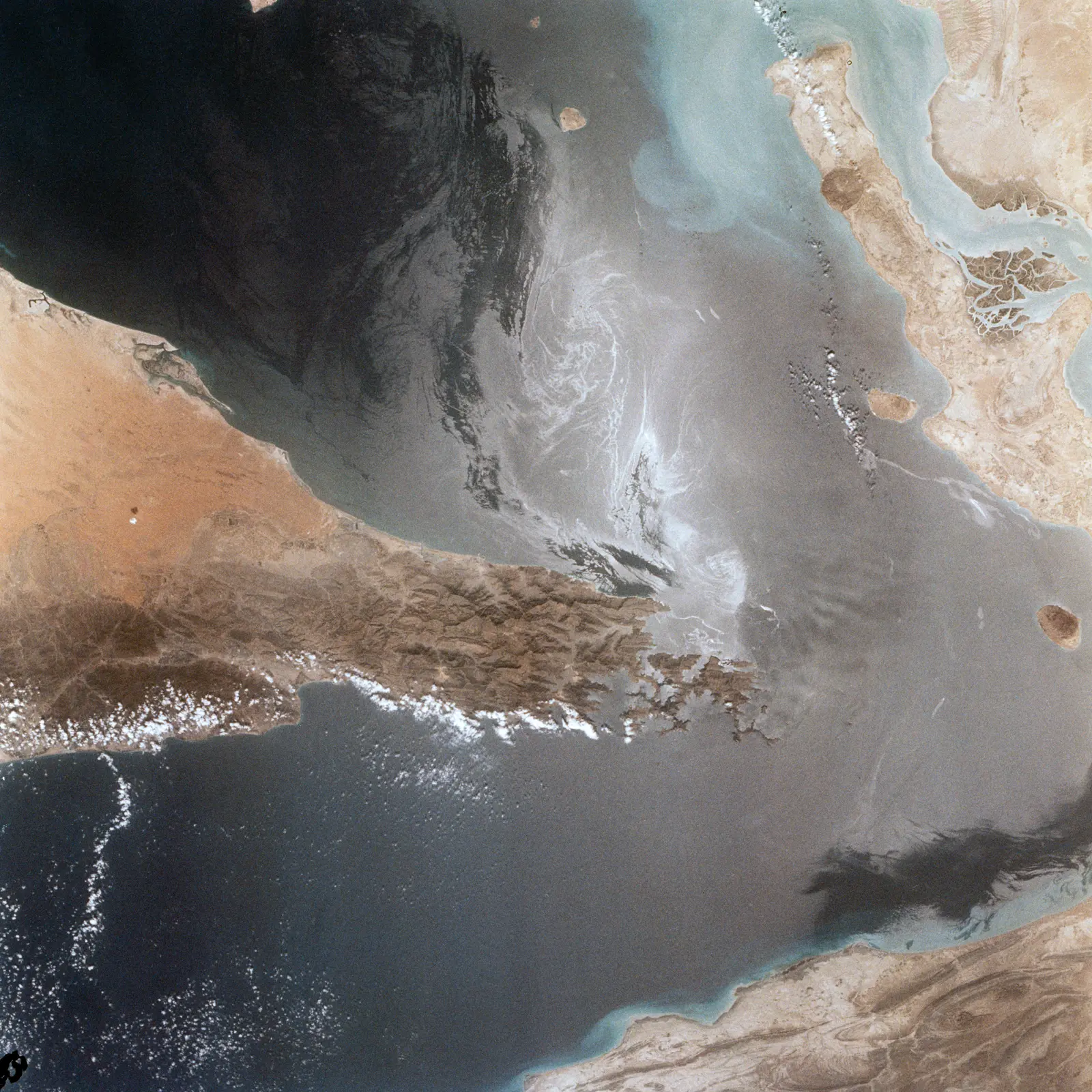
Reports say six commercial vessels — five tankers and one container ship — were struck in and around the Strait of Hormuz on October 11. The same account says a Houthi missile attack targeted Riyadh for the third consecutive day and that Saudi Arabia halted flights at Riyadh airport. On a chart of the Gulf, that is a wide blast radius: crude, products, LNG and container traffic all pass the same narrow fairway.
Two per cent is not a panic
The market reaction being offered is much smaller. Oil is reported to have jumped 2% after attacks on Saudi Arabia and tanker strikes near Hormuz revived supply fears. That is a real move, but not a route-closure move. On a $125 barrel, 2% is about $2.50. A 2% move can reflect a headline, a positioning shift or a short-term hedge. It does not, by itself, price a prolonged closure of a chokepoint that carries crude, products and LNG. The difference matters because a chokepoint scare is usually tested in shipping schedules and cover, not just in spot prices.
The language around Brent is more dramatic. The account says Brent commanded a war premium as Middle East supply risks kept oil markets on edge. A premium is a sentiment until it shows up in dated prices, freight or cover. The available numbers do not yet show that follow-through.
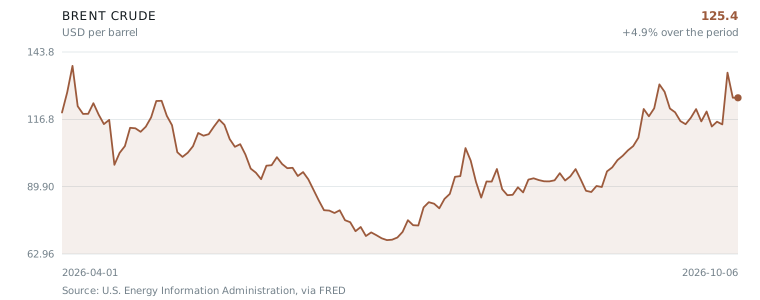
The price markers also arrive with a timing problem. The price markers cited are Brent at $125.44 and WTI at $96.24, both dated October 6. Those prints come five days before the reported October 11 vessel strikes, so they cannot be read as the market's final answer to them. They leave Brent and WTI $29.20 apart, an unusually wide gap that makes the pair harder to use as clean confirmation.
The gas baseline is missing
The most severe figure is in gas. Persian Gulf LNG flows are reported to be more than 75% lower than before February 28. The problem is the baseline: no year or market condition is attached, so the comparison cannot be audited. A missing baseline turns a large percentage into an audit problem. A 75% decline from a normal winter base would be a material loss of flexible supply. A 75% decline from an already disrupted base would still hurt, but it would not mean the same thing.
For procurement desks, the question becomes substitution. If Gulf LNG stays missing, buyers must find other cargoes, reroute ships or switch fuels where they can. Those responses take days and weeks, not minutes, and they show up first in shipping schedules and contract replacement rather than in a single crude print.
What would confirm the risk
The reported incidents are heavy enough to deserve a physical check. Six vessels around Hormuz, five of them tankers, would normally send underwriters and shipowners to reprice quickly. A third consecutive missile attack on Riyadh and an airport closure would add to the sense that the risk is not confined to one lane.
But the market evidence so far is thin. A 2% move is modest against that map. October 6 prices cannot settle an October 11 shock. An extreme Brent-WTI spread raises more questions than it answers. The LNG figure is dramatic, but its baseline is not clear.
The open question is whether physical commerce confirms the incident reports. If dated Brent after October 11 moves beyond a small pop, if the Brent-WTI spread finds a credible direction, and if LNG flows stay depressed, the risk premium has a base. If not, the rhetoric is running ahead of the barrels.
- 01Reports say six commercial vessels, including five tankers and one container ship, were struck around Hormuz on October 11.
- 02Oil is reported to have jumped 2% after the attacks revived supply fears.
- 03The cited Brent and WTI prices are dated October 6, five days before the reported vessel strikes.
- 04The cited Brent-WTI gap is $29.20.
- 05Persian Gulf LNG flows are reported to be more than 75% below an undefined February 28 baseline.
Interpretation, not reporting. The facts above carry their tiers; this is one correspondent’s reading of them.
I read the tape here as sceptical, not calm. The reported incidents are heavy: six commercial vessels, five tankers and one container ship, around Hormuz; a third consecutive missile attack on Riyadh; an airport closure; and Persian Gulf LNG flows said to be more than 75% below an undefined baseline. Yet the market reaction being cited is only 2%, and the price markers are dated October 6, before the October 11 vessel strikes. That disconnect matters. If the physical disruption is real and persists, I would expect underwriters, tanker owners and gas buyers to reprice faster than a 2% crude move implies. If it is not, the war-premium language is running ahead of the data. My test is simple: dated Brent and WTI after the strikes, the Brent-WTI spread, and any verified LNG rerouting. If those confirm the shock, the small move was a lag. If they do not, the story is more rhetoric than barrels. — Tomás Ferreira
— Tomás Ferreira
Every claim in this article, and what it rests on
We do not ask you to take our word for it. Each statement below carries its tier and its sources. Where sources disagree, you get both accounts and what would settle it.
Brent crude was recorded at $125.44 on 2026-10-06.
WTI crude was recorded at $96.24 on 2026-10-06.
Oil prices jumped 2% after attacks on Saudi Arabia and tanker strikes near the Strait of Hormuz revived supply fears.
Brent commanded a war premium as Middle East supply risks kept oil markets on edge.
Six commercial vessels, including five tankers and one container ship, were struck in and around the Strait of Hormuz on 2026-10-11.
A Houthi missile attack targeted Riyadh for the third consecutive day.
Saudi Arabia halted flights at Riyadh airport amid escalating Houthi attacks.
Persian Gulf LNG flows were more than 75% lower than before February 28.
The case against this story
Written by an adversarial reviewer, not the correspondent
The story's internal evidence is self-contradictory. A 2% oil price jump (Claim 3) is disproportionately small for the events described — six vessels struck, three consecutive days of missile attacks on Riyadh, an international airport closure, and 75%+ LNG flow reduction. Markets would move far more than 2% on genuine simultaneous escalation of that magnitude. The specific price benchmarks (Claims 1 and 2) are from October 6, five days before the reported vessel strikes on October 11, so they cannot reflect the market impact of the events the story frames them alongside. The $29+ Brent-WTI spread is historically extreme and raises questions about whether at least one figure is erroneous. Claim 8's baseline ('before February 28') is vague and contextless — before February 28 of which year? Under what conditions? The editorial language in Claim 4 ('war premium,' 'on edge') substitutes narrative for data. The overall framing implies a coherent, escalating crisis driving markets, but the mismatch between event severity and market response, the temporal gaps, and the unverified dramatic claims (airport closure, 75% LNG collapse) suggest either the events are overstated or the market data is being presented misleadingly to manufacture a crisis narrative.
Who benefits from this framing: Oil producers and exporting nations benefit from higher prices and political cover for supply restraint. Long-positioned oil speculators profit from panic buying. Defense and security interests gain justification for military escalation and increased budgets. Russia benefits from elevated energy revenues and diversion of Western attention and resources away from Ukraine toward the Middle East. Existing energy producers with unhedged output earn windfall profits from crisis-driven price premiums they did nothing to create.
Report an error in this article
Subscriptions open at launch
Global Materials Review will be a paid publication. Reading is free while we build the archive — leave an address and we will write to you once, when subscriptions open.