
Scarborough pause puts protest risk on the project ledger
A stoppage at a $12.5 billion gas project shows how activism, rhetoric and prices meet in project economics.
 Tomás FerreiraEnergy, shipping and chokepoints
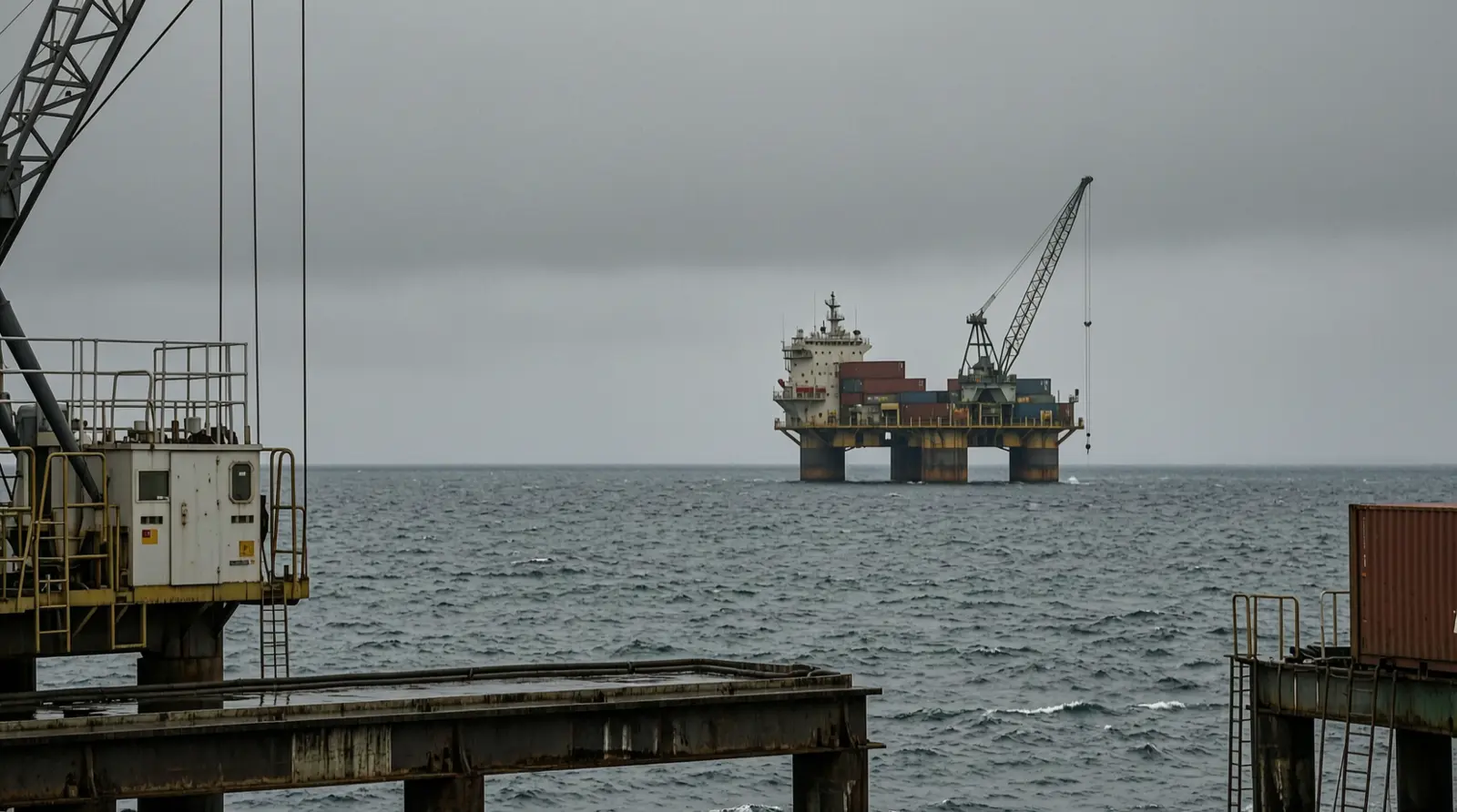
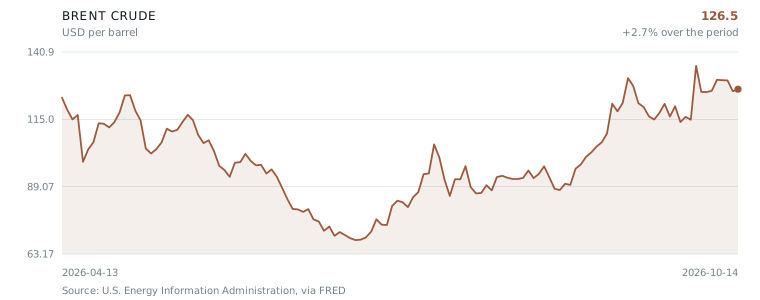
Woodside said operations remained paused on Sunday at a floating production unit tied to the Scarborough natural gas project after a Greenpeace protest off Western Australia. El Confidencial reported on 18 October that energy conflicts are becoming entrenched in a new energy normality. Brent at 126.55 and Henry Hub gas at 3.22 on 14 October show two different energy price stories.
A floating unit off Western Australia has become a small test of how modern energy projects absorb political risk. Woodside said operations remained paused on Sunday at a floating production unit tied to its Scarborough natural gas project, a development described as a $12.5 billion project. The pause followed a Greenpeace protest off Western Australia.
That is one vessel, one project and one protest. It is not yet a pattern. But project finance lives in the space between a single interruption and the market's estimate of the next one.
A pause is a cash-flow question
For a floating production unit, a stoppage is not simply a headline. The unit exists to process hydrocarbons and turn them into revenue. If it is paused, the project clock keeps running while the cargo does not move.
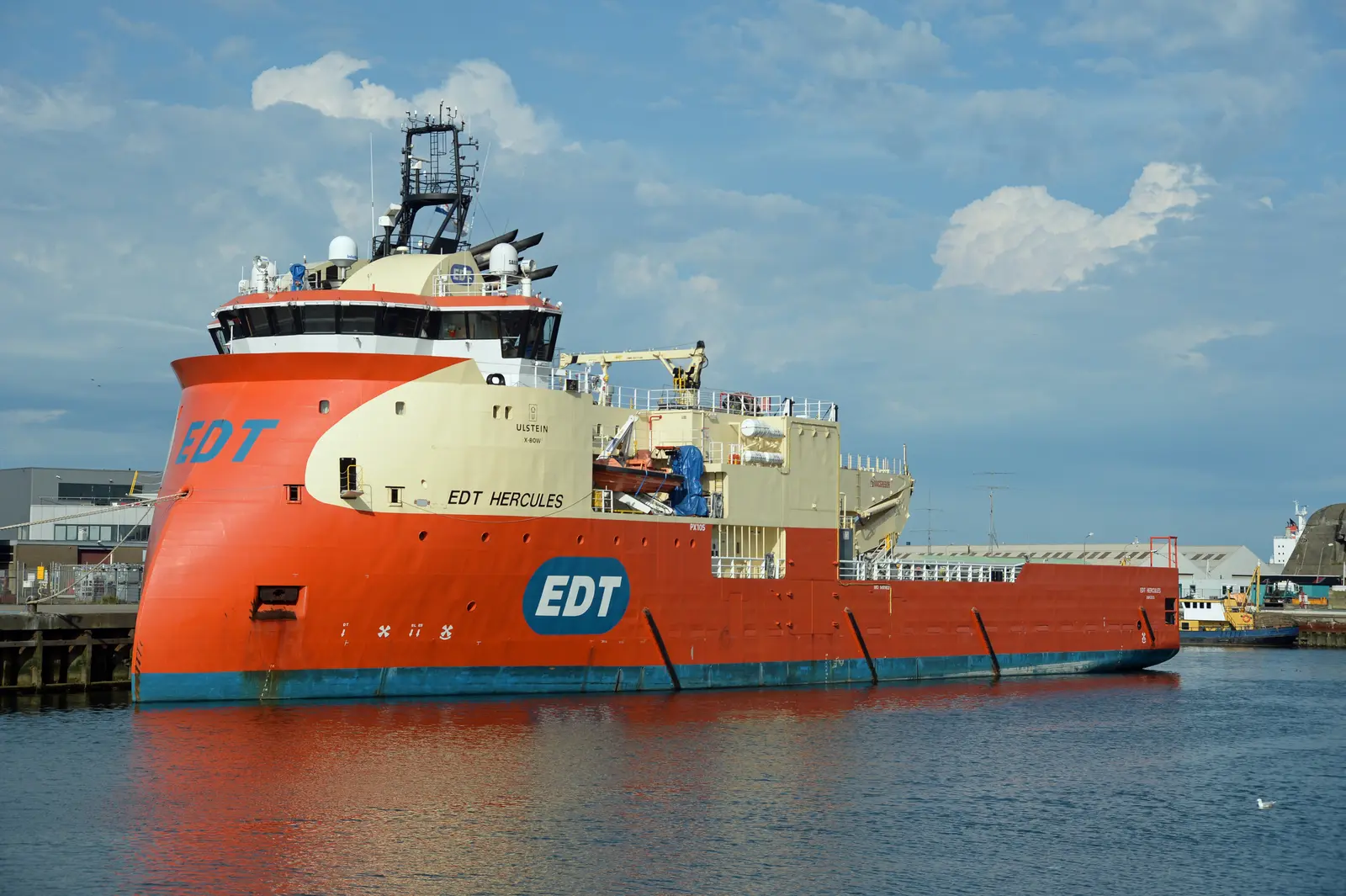
Woodside's wording matters because it fixes the status on Sunday: operations remained paused. The next update will tell whether this becomes a short safety measure or a longer operational delay. For investors, the difference shows up first in schedule risk, then in insurance, chartering and contract performance.
Even a single, local action can force a project owner to manage logistics, security and public attention at the same time.
The Scarborough project is described as a $12.5 billion project. A number that large is not just capital expenditure; it is a chain of contractors, vessels, lenders and future gas sales. Any interruption at the floating unit touches that chain, even if the pause is brief.
One protest, one editorial, two prices
The broader argument rests on thinner evidence. El Confidencial reported on 18 October that energy conflicts are becoming entrenched in a new energy normality. That is a view from one publication, not a dataset.
The market ticks available do not settle the question. Brent stood at 126.55 on 14 October. Henry Hub gas stood at 3.22 on the same day. One is an oil benchmark, the other a gas price; they can move apart without either being wrong.
The gap between the two readings also cautions against a single story. Oil can price one kind of scarcity while gas prices another. A project disruption off Western Australia does not automatically rewrite a gas benchmark, just as one strong oil tick does not automatically prove a global supply crisis.
A sceptical reader could stop there: one protest does not make a trend, and two prices do not make a regime. But the more useful point is narrower. Even a single, local action can force a project owner to manage logistics, security and public attention at the same time.
Risk gets priced before it is proven
Energy projects are long-lived and geographically fixed. A floating production unit cannot be moved quickly to avoid attention, and a gas project cannot easily reroute its politics. That makes physical assets exposed to campaigns, permitting disputes and local conflict in ways that a portfolio of paper positions is not.
The mechanism is simple. A protest creates uncertainty. Uncertainty raises the cost of being wrong. Lenders, insurers and contractors respond by adding margin, demanding more time or requiring more protections. Those costs can arrive long before any court ruling or final production loss.
The Scarborough pause therefore matters less as proof of a global wave than as a reminder of where risk sits. It sits in a specific place, off Western Australia, around a specific floating unit and a specific $12.5 billion development. If El Confidencial is right that energy conflicts are becoming normal, the evidence will need to show up in more than one project. The next signal is whether this pause remains a single offshore event or begins to show up in schedules, insurance and contracts.
- 01Woodside said operations remained paused on Sunday at a floating production unit tied to Scarborough.
- 02The Scarborough natural gas project is described as a $12.5 billion project.
- 03The pause followed a Greenpeace protest off Western Australia.
- 04Brent was 126.55 and Henry Hub gas was 3.22 on 14 October.
- 05El Confidencial reported on 18 October that energy conflicts are becoming entrenched in a new energy normality.
Interpretation, not reporting. The facts above carry their tiers; this is one correspondent’s reading of them.
The useful signal here is not that energy conflict has become normal; it is that a single floating unit can turn a $12.5 billion development into a live schedule question. I would not stretch one Greenpeace protest into a global pattern, and I would not let one newspaper's language do the work of a dataset. Brent at 126.55 and Henry Hub at 3.22 do not point to one market story. They point to segmented risk. What I would watch is whether the pause remains a short operational event or starts to affect contractors, insurance terms and delivery expectations. If Woodside's next update simply restarts the unit, the incident belongs in a project-risk file, not a macro thesis. If similar pauses multiply across projects, then El Confidencial's new energy normality starts to look less like rhetoric and more like a cost line. For now, the disciplined answer is narrower: the asset, the location and the protest channel matter more than a grand theory.
— Tomás Ferreira
Every claim in this article, and what it rests on
We do not ask you to take our word for it. Each statement below carries its tier and its sources. Where sources disagree, you get both accounts and what would settle it.
The BRENT instrument value was 126.55 on 14 October 2026.
The HENRY_HUB_GAS instrument value was 3.22 on 14 October 2026.
El Confidencial reported on 18 October 2026 that energy conflicts are becoming entrenched in a new energy normality.
Woodside said operations remained paused on Sunday at a floating production unit.
The floating production unit is part of Woodside's Scarborough natural gas project.
The Scarborough project is described as a $12.5 billion project.
The pause followed a Greenpeace protest off Western Australia.
The case against this story
Written by an adversarial reviewer, not the correspondent
The story constructs a trend narrative from loosely connected elements: a single Greenpeace protest at Woodside's Scarborough project, an editorial opinion from one Spanish publication about 'energy conflicts becoming normal,' and two market data points. But one protest does not establish a systemic trend. The 'new energy normality' framing is editorial opinion, not factual analysis. The market data is mixed — while Brent crude is high at 126.55, Henry Hub gas at 3.22 is relatively low, which undercuts the narrative that energy conflicts are broadly destabilizing energy markets. The Woodside claims are all low-confidence, yet they form the factual backbone of the story. The narrative appears to inflate a single incident into a trend using an editorial opinion and selectively presented market data.
Who benefits from this framing: Greenpeace benefits from their protest being framed as part of a growing, normalized movement rather than an isolated action. Woodside and other energy companies benefit from framing environmental protests as systemic threats to energy security, potentially justifying legal or security responses. Financial speculators benefit from narratives about energy instability that could drive trading. Fossil fuel advocates benefit from the implication that environmental opposition is becoming a persistent, 'normal' feature requiring countermeasures.
Report an error in this article
Subscriptions open at launch
Global Materials Review will be a paid publication. Reading is free while we build the archive — leave an address and we will write to you once, when subscriptions open.