
Hormuz sinkings and fertiliser stall raise Gulf supply risk
A projectile strike near the strait, a separate sinking and a stalled fertiliser corridor turn a chokepoint into a cost question.
 Tomás FerreiraEnergy, shipping and chokepoints
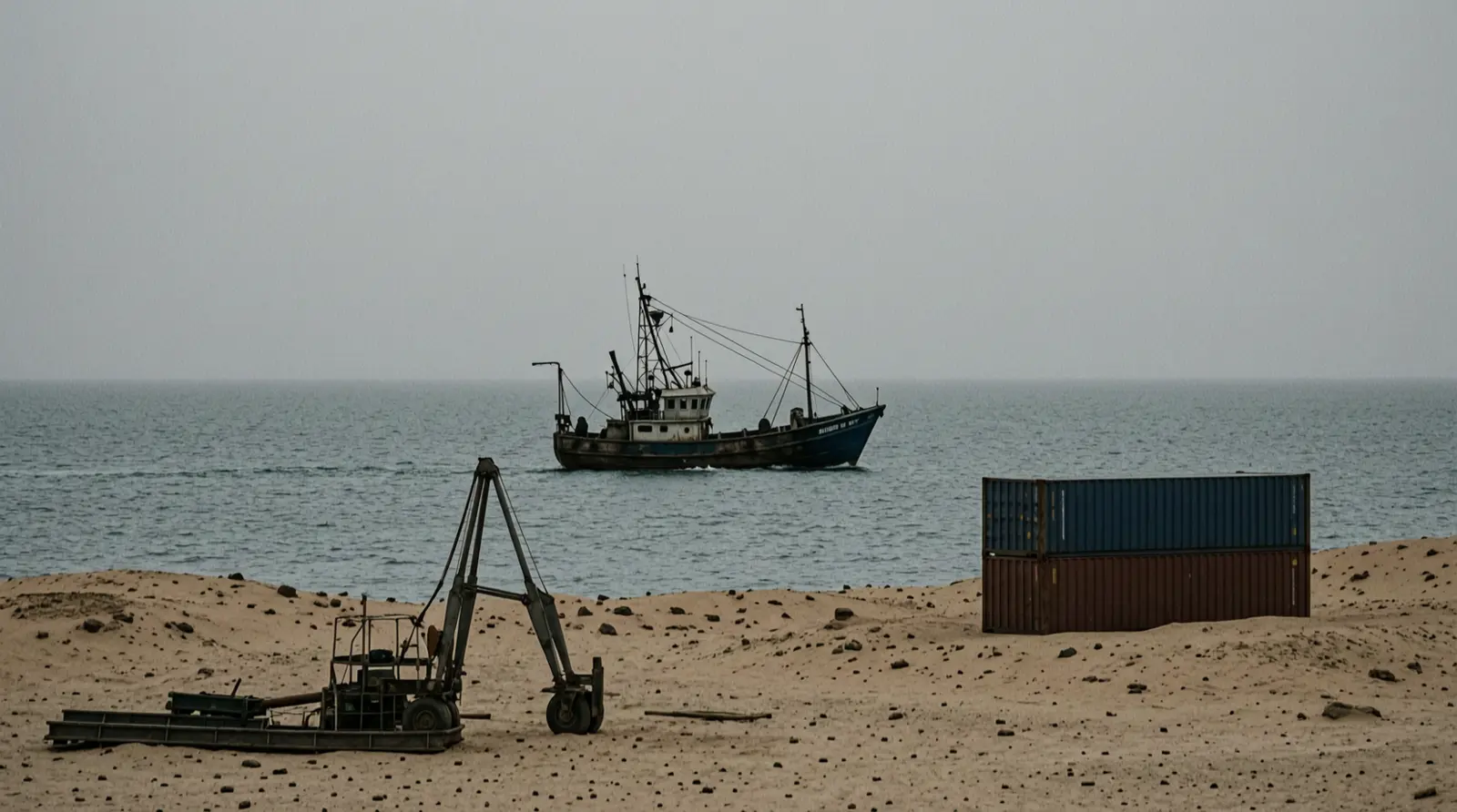
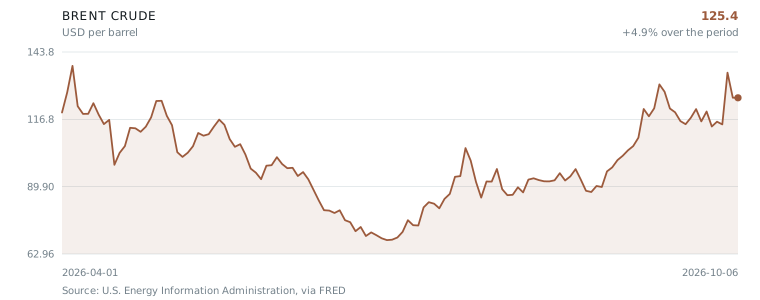
Two vessel incidents and a strike on Saudi Aramco’s headquarters have put attention back on the Strait of Hormuz. A UN official warns that a stalled fertiliser corridor could reduce agricultural productivity without a quick deal. Brent crude at 125.44 on 6 October shows how quickly chokepoint risk can feed into prices.
A container ship sank after being hit by a projectile in or near the Strait of Hormuz, according to reports. A separate dry bulk vessel was reported sinking in another incident. Reports also say Saudi Aramco’s headquarters was hit by a strike. Taken together, these are not one clean narrative; they are separate shocks arriving near the same corridor.
Brent crude was 125.44 on 6 October. The Global Food Index was 131.77990977700270 on 1 July, a snapshot from three months earlier and a different kind of gauge. The oil number is a live market signal; the food number is a lagging reference. Both, however, point to the same vulnerability: when the Gulf tightens, the cost shows up first in transport, then in inputs, then in harvests.
Separate incidents, one corridor
The vessel losses matter because they sit near the route that carries Gulf energy and imports. A projectile strike on a container ship is not merely a hull loss; it changes how charterers and insurers assess the next transit. A separate dry bulk vessel sinking adds to that mood, even if the two events are unrelated.
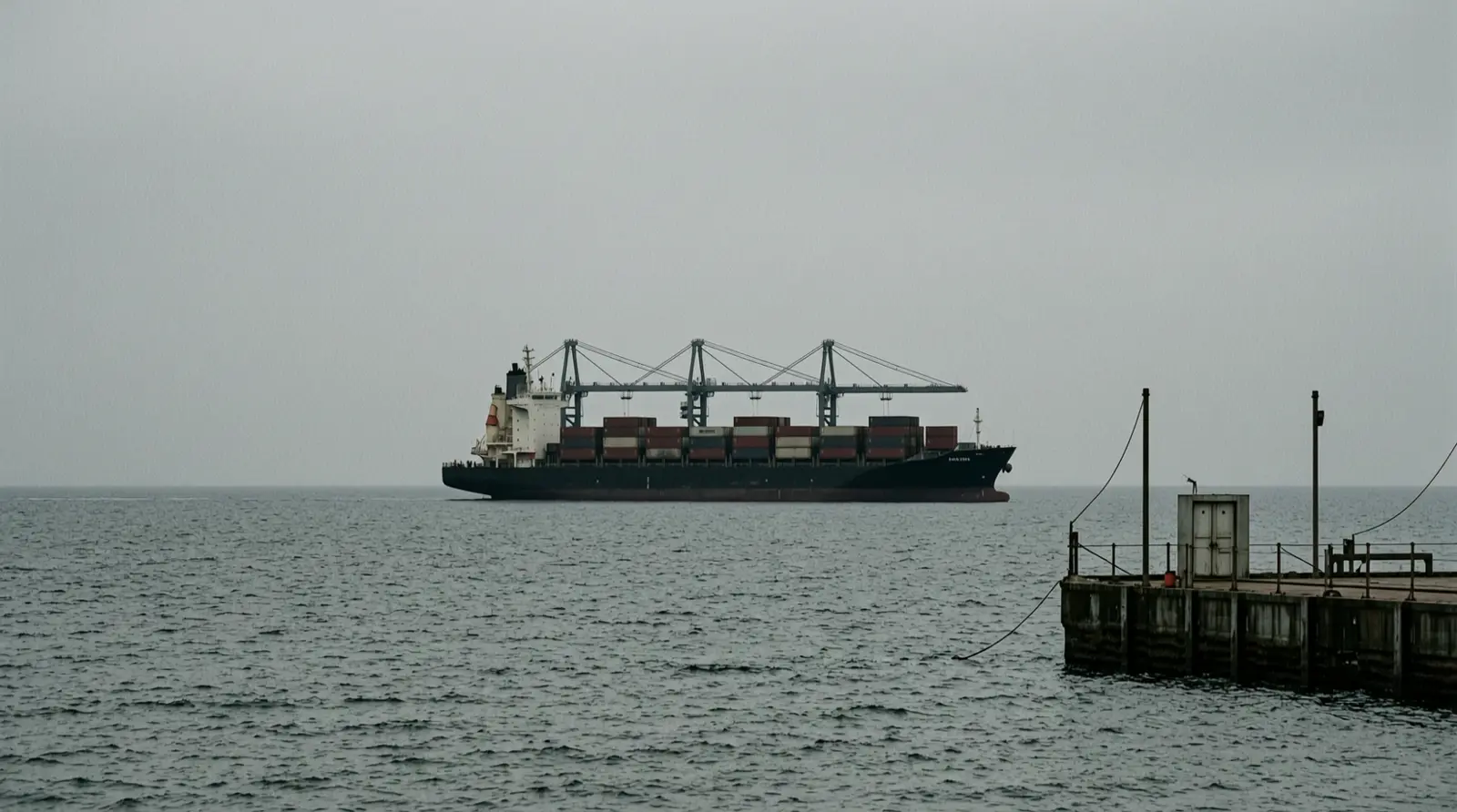
The strike on Saudi Aramco’s headquarters came alongside a vow by Yemen’s Houthis to press attacks on Saudi airports and oil facilities. The two events raise the same question: whether rhetoric is becoming operational. A vow is not a capability, but it changes the calculus of insurers and charterers. For a physical market, the difference between threat and damage is less important than the premium attached to the next voyage.
A vow is not a capability, but it changes the calculus of insurers and charterers.
That threat sits beside the maritime incidents, but the reports do not establish a single coordinated campaign. What is clear is that the Gulf risk environment is being treated as connected by those who price ships and cargo.
Fertiliser is the slower shock
A UN official warned that a stalled plan to move fertiliser through the Strait of Hormuz risks significantly lower agricultural productivity without a quick deal. This is a different kind of supply risk. Oil is priced daily; fertiliser works through planting decisions, soil nutrients and yields. If the corridor stays stalled, the damage will not appear as a single spike. It will appear as weaker crops, higher input costs and more demand for food aid.
The humanitarian pressure is already visible. Almost one million people in Yemen have been cut off from food aid amid renewed fighting. That number matters because it turns a trade problem into a political one. If food access deteriorates, governments and agencies may press for exemptions, escorts or route changes, each of which adds cost and delay.
The Global Food Index figure is precise to many decimal places, and that precision makes it hard to treat as a clean market signal. Still, the direction of pressure is clear: when fertiliser movement stalls, the agricultural chain becomes more exposed. The index reading of 131.77990977700270 on 1 July is less important than the mechanism it points to: fewer nutrients in the ground, lower yields, and more pressure on import bills.
What the market can verify
The clearest reports are also the narrowest. A container ship sank after a projectile hit; a separate dry bulk vessel was sinking; Saudi Aramco’s headquarters was struck. The Houthis vowed further attacks. A UN official warned about fertiliser. Almost one million people in Yemen lost food aid access.
What is not established is a single chain of cause and effect. The two vessel incidents may be unrelated. The Aramco strike may be distinct from the maritime losses. The fertiliser warning comes from an unnamed official, and the food-index figure is so precise that it invites scrutiny rather than confidence.
That does not make the risk smaller. It makes the risk harder to model. Freight desks can price a known incident; they struggle with a set of signals that may be separate, may be linked, and may become worse before the next deal is struck. The open question is whether a quick deal on fertiliser movement appears. If it does not, the story moves from insurance premia and detours to fields, harvests and food-aid queues.
- 01A container ship sank after a projectile hit in or near the Strait of Hormuz.
- 02A separate dry bulk vessel was reported sinking in another incident.
- 03Reports say Saudi Aramco’s headquarters was hit by a strike.
- 04Yemen’s Houthis vowed to press attacks on Saudi airports and oil facilities.
- 05A UN official warned a stalled fertiliser corridor risks lower agricultural productivity.
Interpretation, not reporting. The facts above carry their tiers; this is one correspondent’s reading of them.
The market is being asked to price two different risks at once: sudden maritime loss and a slow agricultural squeeze. I would separate them. The sinkings and the Aramco strike are acute, visible and easy to fold into a war-risk premium. The fertiliser corridor is less cinematic but potentially more persistent, because it works through planting decisions and yields rather than a single voyage. The unusually precise Global Food Index reading makes me cautious about treating the index as a hard signal; the direction of pressure matters more than the decimal places. If a quick deal on fertiliser movement fails to appear, the story shifts from freight and insurance to harvests, food aid and political pressure. What would change my view is evidence that the incidents are linked operationally, rather than reported side by side. Until then, I see a chokepoint premium with a humanitarian tail.
— Tomás Ferreira
Every claim in this article, and what it rests on
We do not ask you to take our word for it. Each statement below carries its tier and its sources. Where sources disagree, you get both accounts and what would settle it.
Brent crude was 125.44 on 2026-10-06.
The Global Food Index was 131.77990977700270 on 2026-07-01.
A container ship sank after being hit by a projectile in or near the Strait of Hormuz.
A separate dry bulk vessel was sinking in another incident.
Saudi Aramco's headquarters was hit by a strike.
Yemen's Houthis vowed to press attacks on Saudi airports and oil facilities.
A UN official warned that a stalled plan to move fertiliser through the Strait of Hormuz risks significantly lower agricultural productivity without a quick deal.
Almost one million people in Yemen have been cut off from food aid amid renewed fighting.
The case against this story
Written by an adversarial reviewer, not the correspondent
The story bundles acute maritime incidents, a headquarters strike, Houthi rhetoric, humanitarian crisis, and economic data into a single narrative of regional escalation, but several elements undermine this picture. The Global Food Index figure carries 14 decimal places of precision, which no real economic index uses, suggesting possible fabrication or machine-generated false precision. The Houthi vow to attack Saudi airports and oil facilities is routine rhetoric repeated for years; placing it alongside acute incidents inflates its significance. The fertiliser warning is attributed only to an unnamed 'UN official,' which could be a routine diplomatic statement elevated to appear urgent. Two vessels sinking in separate incidents and a headquarters strike presented simultaneously could reflect genuine escalation or could be conflation of distinct, unrelated events into an apocalyptic storyline. The economic data points (oil price, food index) are presented as evidence of impact, but the food index number's absurd precision calls its sourcing into question and, by extension, the care taken with the broader narrative.
Who benefits from this framing: Oil traders and commodities speculators who profit from price spikes driven by fear of supply disruption; advocates of military intervention in the Strait of Hormuz region who benefit from public perception of an active conflict zone requiring force projection; news outlets generating engagement from dramatic headlines; and any government or defense contractor seeking to justify increased military spending or presence in the Persian Gulf by portraying the waterway as under active attack.
Report an error in this article
Subscriptions open at launch
Global Materials Review will be a paid publication. Reading is free while we build the archive — leave an address and we will write to you once, when subscriptions open.