
Refiners profit as buffers drain and Russia floats US diesel
Low inventories, wide crude spreads and a possible Russian diesel route to the US are turning product tightness into margins and political risk.
 Tomás FerreiraEnergy, shipping and chokepoints

Brent and WTI prices on 6 October were far apart, and that gap makes the fuel squeeze harder to read. Refiners are benefiting from higher margins while drained buffers leave the market less able to absorb shocks. Statements about Russian diesel reaching the US and a €100 billion EU fuel cost are politically loaded and need independent confirmation.
On 6 October, Brent crude stood at $125.44 while WTI printed $96.24, a $29.20 gap that is extreme by any recent standard. The spread is not just a trading curiosity. It separates the price of seaborne crude from the North American benchmark at a moment when product stocks are thin and refiners are extracting unusually high margins from every barrel they can run. The numbers put a premium on barrels that can be turned into transport fuel quickly.
That gap also flashes caution. A Brent–WTI difference of this size would normally be tested against freight, pipeline flows and storage before being treated as settled. If either price is distorted by a thin quote, the pressure built on top of it — especially around US gasoline — becomes harder to read. The market is paying for products, not just crude.
Refiners are first in line
TotalEnergies expects to report strong third-quarter results later this month and has said the Middle East conflict has driven up refining margins. That is the cleanest commercial signal in the current squeeze: when crude is volatile and product inventories are low, the crack spread becomes the place where the pain is monetised. Refiners with available capacity and reliable feedstock are positioned to turn scarcity into cash flow.
The market is paying for products, not just crude.
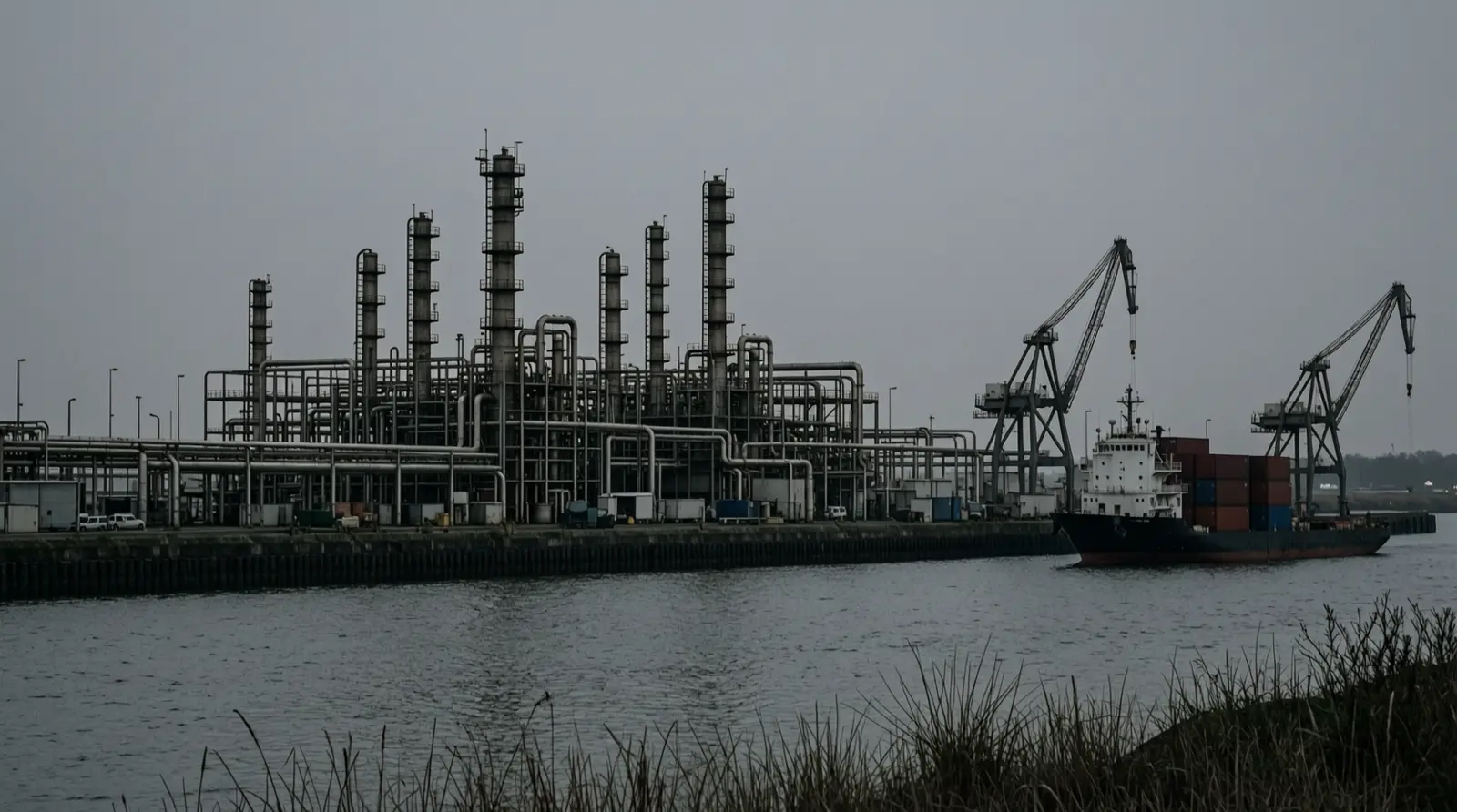
Chevron CEO Mike Wirth has warned that oil buffers that cushioned the Iran war shock have been drained. That matters because buffers are the market’s shock absorber. When stocks are full, a supply scare can be met with releases and reroutes. When they are thin, each disruption travels faster into product prices, freight bids and political demands.
Russian-language media reported that fuel has cost the EU €100 billion more because of the Iran crisis. The figure is large enough to matter, but it comes from a media environment close to the Russian state and needs independent confirmation before it can be used as a hard measure of European damage. Even so, it points to the same mechanism: higher product prices and rerouted cargoes transfer cost from consumers and industry to suppliers and traders.
A possible Russian diesel route is the wildcard
Novak said the first Russian diesel could arrive in the United States in two to three weeks. If true, that would be a striking shift in physical trade flows, because it would place Russian product into a market that has spent years reducing direct exposure to Russian fuel. But the statement comes from a Russian official with every reason to portray sanctions as failing and Western markets as needy.
The practical barriers are not trivial. A cargo moving toward US ports would need a buyer, insurance, financing and acceptance at the dock. The timing may be short, but the commercial and regulatory friction can be longer. Until multiple independent outlets confirm the movement, the statement should be treated as pressure politics as much as shipping intelligence.
If those cargoes are delayed or blocked, Atlantic buyers do not simply stop needing diesel. They bid for alternatives, pull product from farther away and pay more for freight, insurance and time. That is how a political headline becomes a physical cost.
US gasoline prices have reportedly had record days above $4, putting Trump under pressure. That domestic price stress is what makes any talk of additional diesel supplies politically potent. The open question is whether the physical system can deliver relief quickly enough, or whether the next cargo will arrive only after the political damage has already been done.
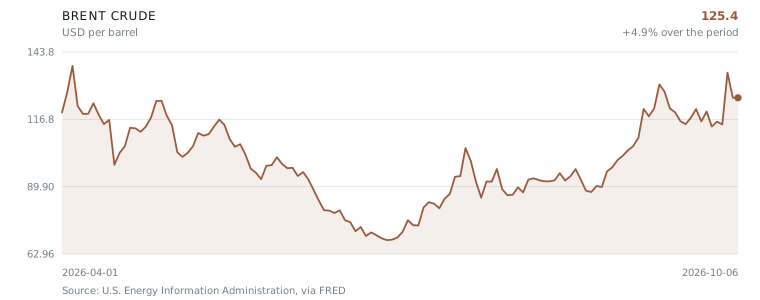
- 01Brent crude was $125.44 on 6 October.
- 02WTI crude was $96.24 on 6 October.
- 03Novak said the first Russian diesel could reach the United States in two to three weeks.
- 04TotalEnergies expects strong third-quarter results and says the Middle East conflict has lifted refining margins.
- 05Chevron’s CEO said oil buffers that cushioned the Iran war shock have been drained.
Interpretation, not reporting. The facts above carry their tiers; this is one correspondent’s reading of them.
The physical signal here is not a sudden Russian diesel flow; it is the thinness of the cushion. I would treat Novak’s two-to-three-week timeline as leverage before treating it as logistics. If TotalEnergies is right that refining margins have risen, and Chevron is right that buffers are drained, the market is paying for immediacy. That favours refiners with spare capacity and hurts consumers who cannot wait. The €100 billion EU figure is too politically useful to accept without independent confirmation, and the Brent-WTI gap is wide enough to make me want a second reading before leaning on either price too hard. What would change my mind? Confirmed vessel movements, independent corroboration and a visible build in product stocks. Until then, the safest reading is that tightness is real, but the most dramatic route to relief is also the most contested.
— Tomás Ferreira
Every claim in this article, and what it rests on
We do not ask you to take our word for it. Each statement below carries its tier and its sources. Where sources disagree, you get both accounts and what would settle it.
Brent crude was $125.44 on 2026-10-06.
WTI crude was $96.24 on 2026-10-06.
Novak said first Russian diesel could arrive in the United States in two to three weeks.
TotalEnergies expects to report strong third-quarter results later this month.
TotalEnergies said the Middle East conflict has driven up refining margins.
Chevron CEO Mike Wirth warned that oil buffers that cushioned the Iran war shock have been drained.
Russian-language media reported that fuel has cost the EU €100 billion more because of the Iran crisis.
US gasoline prices have had record days above $4, putting Trump under pressure.
The case against this story
Written by an adversarial reviewer, not the correspondent
The story's picture of a sanctions-breaking, price-shocked energy market leans on two Russian-sourced claims — Novak's assertion that Russian diesel is weeks away from US ports, and Russian-language media's €100 billion EU cost figure — both from parties with an obvious stake in exaggerating Western energy distress and portraying sanctions as crumbling. The two tier-A oil-price anchors are internally inconsistent: a $29 Brent–WTI spread is historically extreme and suggests at least one figure is wrong, undermining the quantitative backbone of the entire narrative. If the WTI figure is off, US gasoline-pressure claims and the political-pressure framing built on top of it weaken considerably. And the TotalEnergies and Chevron executive quotes, while plausible, are being woven into a storyline that primarily serves to make the Russian and oil-major perspectives look like neutral market analysis rather than interested commentary.
Who benefits from this framing: Russia benefits most: the framing that sanctions are failing (diesel to the US), that the EU has suffered a €100 billion hit, and that Western energy security is deteriorating all serve Moscow's interest in undermining Western support for sanctions and for Ukraine. Oil majors benefit from narratives that normalise sustained high prices and strong refining margins as geopolitical inevitabilities. Domestically in the United States, any framing that emphasises record gasoline prices above $4 puts political pressure on the incumbent administration, benefiting opposition figures including Trump.
Report an error in this article
Subscriptions open at launch
Global Materials Review will be a paid publication. Reading is free while we build the archive — leave an address and we will write to you once, when subscriptions open.