
Black Sea shipping risk climbs after reported drone hits
Reported attacks near Bulgarian waters and NATO deterrence talk could raise insurance and routing costs even as peace talk circulates.
 Tomás FerreiraEnergy, shipping and chokepoints
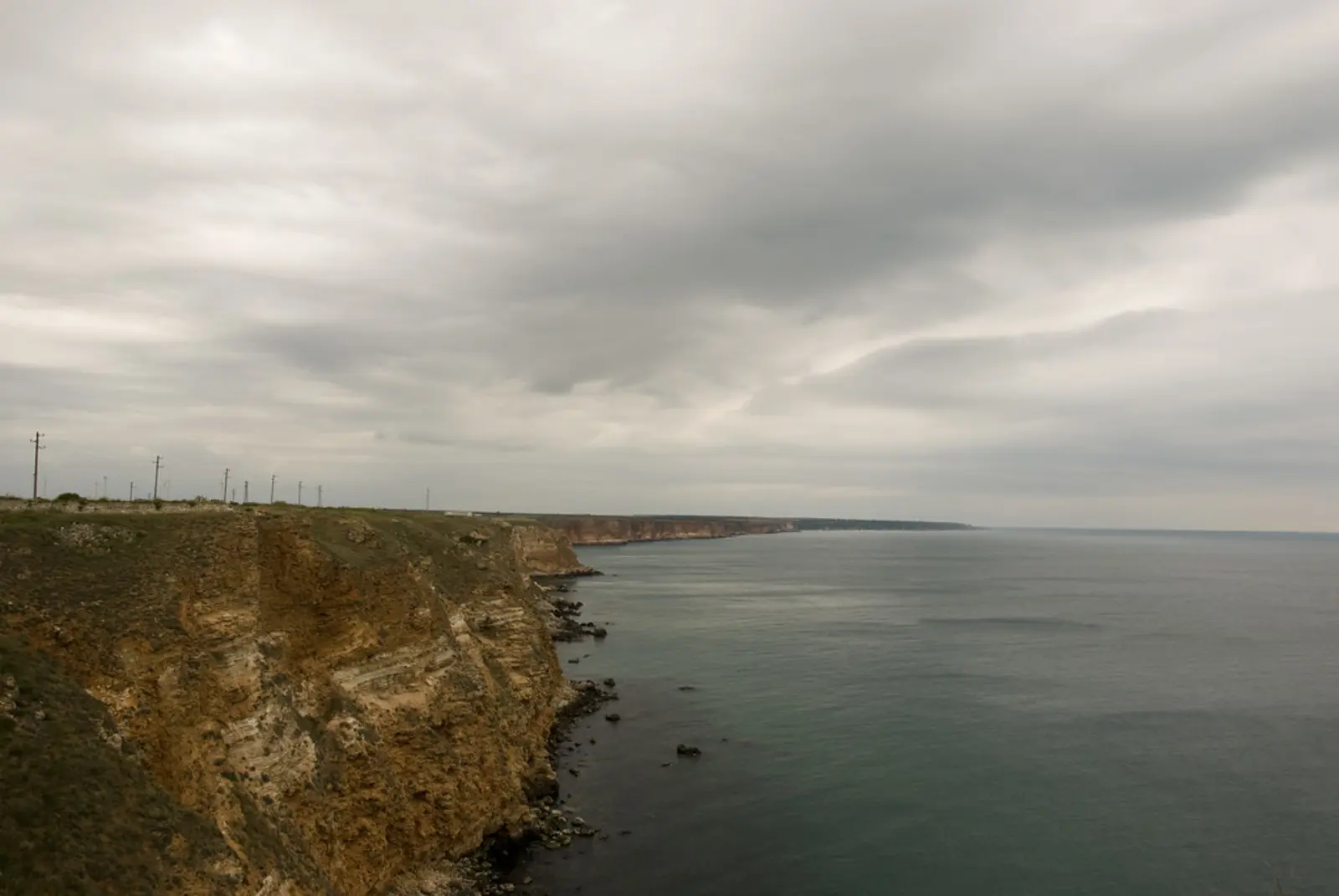
Reports of drone strikes off Bulgaria and Bulgaria’s summons of Russia’s ambassador have pushed Black Sea shipping risk into view. NATO’s public language about stopping a Russian invasion and Donald Trump’s claim that Vladimir Putin and Volodymyr Zelenskyy both want peace add conflicting signals. The practical test will be war-risk insurance, routing choices and commodity delays, not the precision of headline numbers.
Violence near NATO waters changes the insurance calculation
Reports say two ships were hit by drone attacks off Bulgaria’s coast, and Bulgaria summoned Russia’s ambassador to Sofia. The most serious account is that one ship was sunk and eleven sailors were missing at sea. If confirmed, that moves the incident from the edge of the Ukraine war to the doorstep of NATO waters.
The missing-sailor claim is the one that would transform the story. A missing-crew figure needs names, rescue coordination, coastal-state confirmation or family notifications before it can be treated as established. Without that, it remains a severe but unverified warning.
That is the physical risk. The second signal is rhetorical. NATO’s top commander said he is revealing a plan to stop a Russian invasion of Europe. Such language is deterrence, not an operational timetable, but it changes how shippers, insurers and charterers read the eastern Black Sea.
Donald Trump has added another layer by saying Vladimir Putin and Volodymyr Zelenskyy both want to end Russia’s war on Ukraine. Peace talk can calm markets, but it does not remove a drone threat that has already produced missing sailors and diplomatic protests.
The market will not price rhetoric first; it will price insurance premia, war-risk terms and the extra days a master adds to a voyage.
Deterrence and peace talk pull in opposite directions
The market now has two competing narratives. One is escalation: drones, sinkings, missing crew and a summoned ambassador. The other is diplomacy: Donald Trump saying both belligerents want an exit. For physical commodities, the first narrative usually wins until the second produces verifiable action.
The reason is simple. Insurance underwriters do not need a peace declaration to raise war-risk terms; they need evidence that hulls and crews are exposed. Once a zone is treated as higher risk, premia can rise quickly, masters may request additional safety measures, and charterers may seek alternative loading or discharge arrangements. A premium increase is not a headline; it is a clause, a deductible, a notice period and a decision by a master to wait.
This is where the commodity-flow risk becomes real. Black Sea cargoes are not abstract trade data. They are wheat, feed grains, steel inputs, oil products and containerised goods that move on tight seasonal windows. A delay of a few days can break a contract; a wider routing change can strand barges, rail wagons and port capacity. Seasonal grain flows are especially sensitive because harvest pressure meets limited vessel availability. If loading windows slip, sellers may face demurrage, buyers may seek substitute origins, and the physical direction of trade can shift.
The market will look for premia, not precision
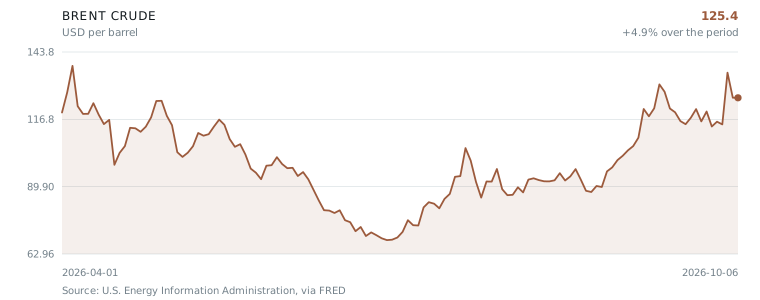
The commodity numbers attached to this episode are not clean enough to carry the argument. A global food index reading of 131.77990977700270 and a wheat price of 228.73884494999999 on 1 July are so oddly precise that they invite scrutiny rather than confidence. Brent crude at 125.44 on 6 October is a more familiar benchmark, but even that figure needs a time series before it can be used to explain freight or bunker costs. The point is not that food and energy markets are unaffected. It is that the burden of proof is on the data, not on the narrative.
The better indicators are operational. Are insurers asking for notice before vessels enter the affected area? Are owners demanding higher crew-war-risk compensation? Are charterers rerouting cargoes or delaying fixtures? Are ports reporting congestion, diversions or cancelled calls?
The market will not price rhetoric first; it will price insurance premia, war-risk terms and the extra days a master adds to a voyage. Until those signals appear, the scale of the risk remains unproven. The open question is whether the reported attacks remain isolated incidents near Bulgaria or become a pattern that forces underwriters to redraw the map.
- 01Bulgaria summoned Russia’s ambassador to Sofia after two ships were reported hit by drone attacks off its coast.
- 02One reported account says a ship was sunk and eleven sailors were missing at sea.
- 03NATO’s top commander said he is revealing a plan to stop a Russian invasion of Europe.
- 04Donald Trump said Vladimir Putin and Volodymyr Zelenskyy both want to end Russia’s war on Ukraine.
- 05Brent crude was listed at 125.44 on 6 October.
Interpretation, not reporting. The facts above carry their tiers; this is one correspondent’s reading of them.
The credible part of this story is not the precision of the numbers; it is the geography. A reported drone attack off Bulgaria, a summoned Russian ambassador and missing sailors put pressure on a sea lane that already carries grain, energy products and industrial cargoes. I would treat the food-index and wheat figures as secondary until they can be matched to clean published data. Brent at 125.44 on 6 October matters more as an input to voyage economics than as proof of a food shock.
What I am watching is not rhetoric from NATO or peace comments from Donald Trump, but the behaviour of insurers and ship operators. If war-risk terms widen and masters start delaying entries, the risk premium becomes real even if the attacks remain isolated. If no operational changes appear, the story may shrink to a dangerous but contained episode. The missing-sailor account is the hinge: confirmed casualties would make this a Black Sea crisis, not a footnote.
— Tomás Ferreira
Every claim in this article, and what it rests on
We do not ask you to take our word for it. Each statement below carries its tier and its sources. Where sources disagree, you get both accounts and what would settle it.
The global food index was 131.77990977700270 on 2026-07-01.
The wheat price was 228.73884494999999 on 2026-07-01.
Brent crude was 125.44 on 2026-10-06.
Two ships were hit by drone attacks off Bulgaria's coast.
Bulgaria summoned Russia's ambassador to Sofia after two ships were hit off the country's coast.
Eleven sailors were missing at sea after a ship was sunk by a drone attack off the coast of Bulgaria.
NATO's top commander said he is revealing a plan to stop a Russian invasion of Europe.
Trump said Putin and Zelenskyy both want to end Russia's war on Ukraine.
The case against this story
Written by an adversarial reviewer, not the correspondent
The story's economic spine rests on two figures with impossible precision: a food index at 131.77990977700270 and a wheat price ending in 999999—both signatures of computational artifacts, not published data. If these numbers are artifacts, the quantitative claims are unreliable. The military claims are equally shaky: NATO's top commander does not publicly 'reveal' operational plans to stop invasions, suggesting a mischaracterization of a routine defense-planning statement. The claim that eleven sailors are missing from a drone-sunk ship off Bulgaria, if true, would be a major Black Sea escalation—yet it sits at the lowest confidence tier with no corroborating detail. The overall picture of imminent European military crisis and economic distress may be substantially overstated.
Who benefits from this framing: A reader who accepts this framing believes Europe faces escalating Russian military aggression—drone strikes, sunk ships, summoned ambassadors—compounded by high food and energy prices, while Trump positions himself as the peacemaker who says both Putin and Zelenskyy want to end the war. This benefits advocates of increased military spending and confrontational NATO posture toward Russia, defense industries seeking procurement contracts, and political figures—particularly Trump—portrayed as diplomatic problem-solvers against a backdrop of crisis.
Report an error in this article
Subscriptions open at launch
Global Materials Review will be a paid publication. Reading is free while we build the archive — leave an address and we will write to you once, when subscriptions open.