
Ukraine's refinery strikes return, putting fuel flows at risk
Renewed drone attacks on Russian downstream assets can tighten fuel supply even if crude stocks look comfortable.
 Tomás FerreiraEnergy, shipping and chokepoints
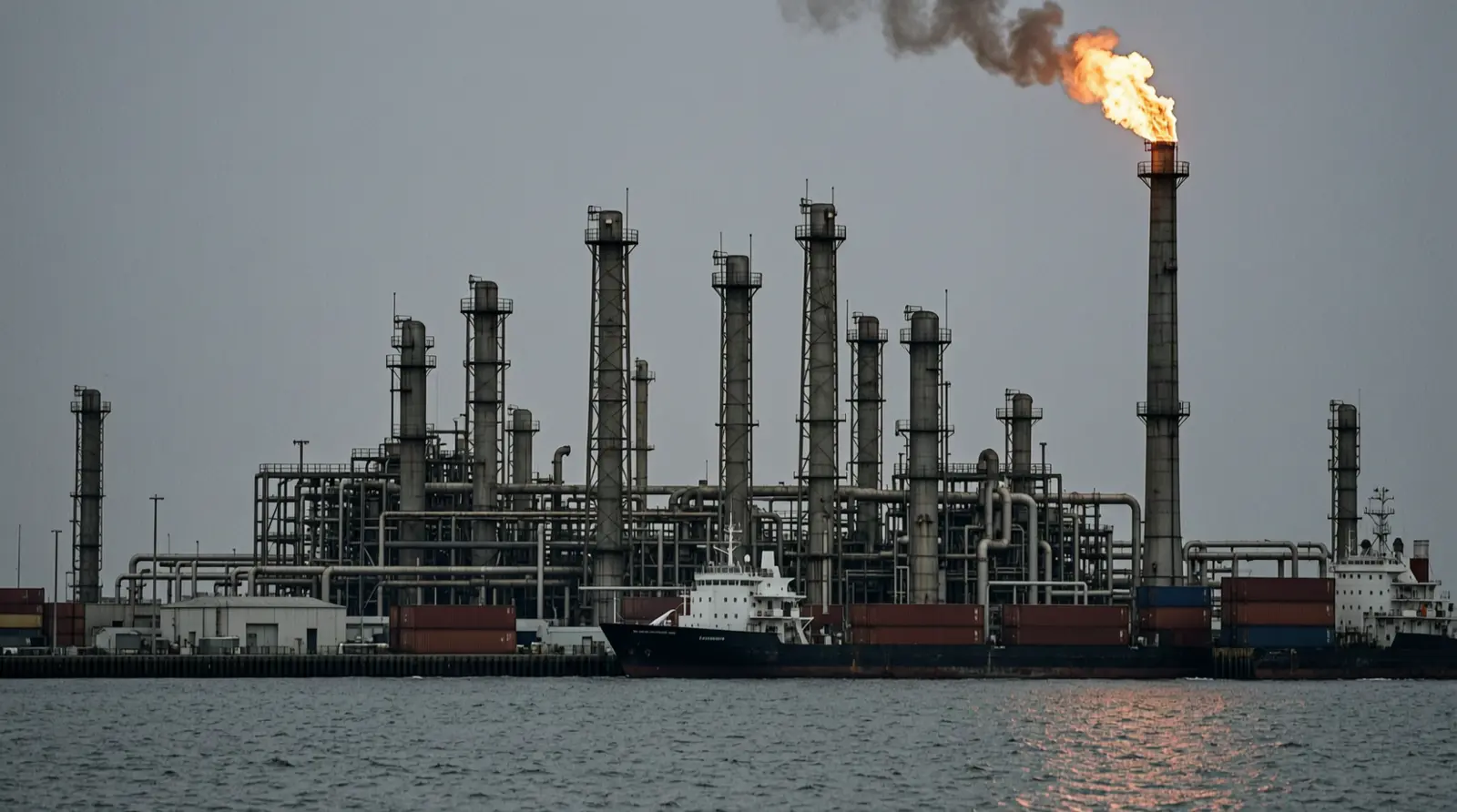
Kyiv says it will resume drone strikes on Russian oil refineries after the energy ceasefire collapsed, while Moscow says attacks have already resumed. The market risk sits in refined products, because refinery runs and export programmes are exposed. European backing is reported, but its scope is not established.
The first market signal from the renewed threat to Russian refineries is not a missing barrel of crude. It is the sudden narrowing of the window in which diesel, gasoline and jet fuel can be replaced before the next loading programme.
The ceasefire is over, but the record is not
Brent crude was 125.44 on 6 October, a level already above the price one would expect if the energy pause had held. That matters because the market is now being asked to price two different risks at once: crude supply, and the more fragile downstream system that turns crude into deliverable fuel.
Kyiv says it will resume drone strikes on Russian oil refineries. Moscow says Ukraine has already resumed attacks on refinery assets, and both sides now treat the energy ceasefire as failed. The precise status of the pause is less clear: whether it was a formal agreement, an informal lull, or a tactical halt that one side simply abandoned is still disputed.
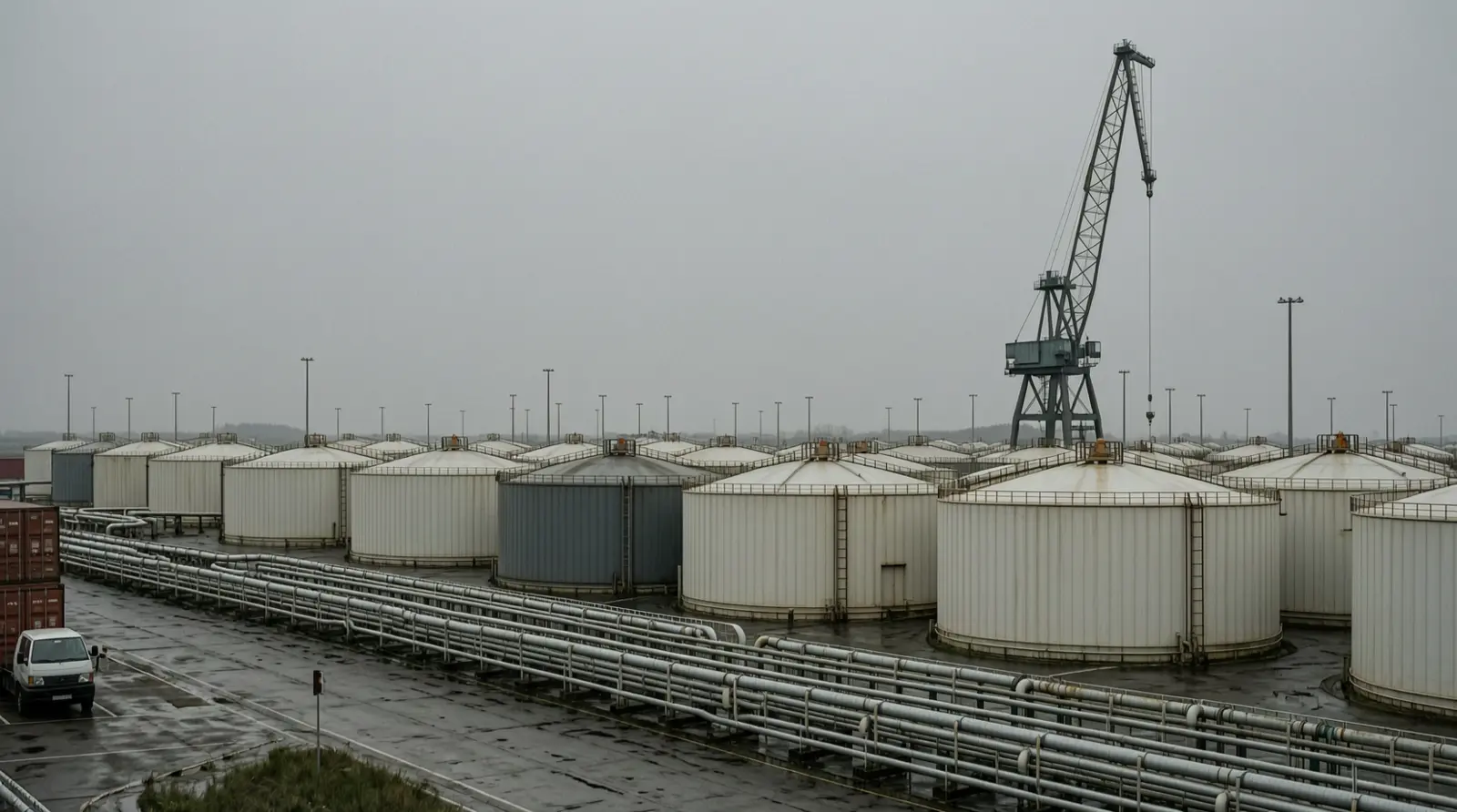
According to reports, Ukraine's president said Kyiv was done with the energy ceasefire. European leaders are also reported to have backed Ukraine's strikes on Russian refineries, but the available information does not show whether that backing means intelligence, targeting approval, financing, diplomatic cover, or all four.
A refinery hit is not a crude loss; it is a promise of fewer clean products next month.
Product markets feel refinery risk first
A refinery hit is not a crude loss; it is a promise of fewer clean products next month. That is the channel traders will watch. If units slow or shut, runs fall, export programmes thin, and buyers must find replacement fuel from farther away. The physical result is longer tonne-miles, more days in transit, and a tighter race for vessels that can carry clean products.
The market often responds before official data confirm damage. Freight rates, insurance premia and cargo premiums can move on the expectation of lost refinery throughput, especially when the campaign is backed by a political signal that it will continue. In that case, the risk is not one disrupted cargo but a repeated discounting of Russian product availability.
This is where the price mechanism becomes concrete. If Russian diesel or gasoline exports fall, alternative suppliers must cover the gap. That shifts arbitrage windows, pulls more product toward European buyers, and forces procurement teams to pay for speed. Even if crude inventories look comfortable, product balances can tighten quickly when downstream capacity is threatened.
European backing changes the targeting map
The political layer matters because it changes the expected duration of the campaign. A single strike can be a response; a pattern of strikes with European support becomes a programme. For physical markets, duration is the difference between a spot premium and a structural one.
If attacks remain occasional, refineries can repair, reroute and draw on stocks. If they become sustained, maintenance windows lengthen, spare parts become harder to source, and export schedules lose credibility. The question for traders is not whether one unit is down today, but whether the next loading month can be trusted.
The strongest evidence will come from commercial signals rather than statements. Insurance underwriters will price the risk of port and refinery exposure. Shipowners will decide whether to accept cargoes near affected areas. Freight desks will charge more for the same route if the probability of delay rises. Those are the measurements that matter, because they are paid for with money rather than words.
For now, the market has two unresolved accounts. Kyiv says it will resume strikes; Moscow says they have already resumed. The energy ceasefire is treated as failed, but the exact responsibility for its collapse remains contested. The open question is whether the next strike damages exportable fuel capacity, or merely reminds everyone that it can.
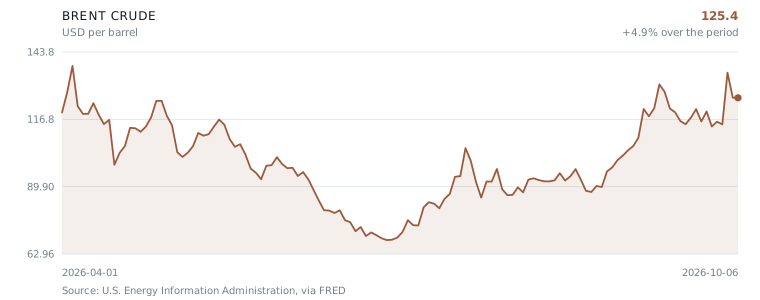
- 01Brent crude was 125.44 on 6 October.
- 02Kyiv says it will resume drone strikes on Russian oil refineries.
- 03Moscow says refinery attacks have already resumed; independent verification is not yet available.
- 04Both sides treat the energy ceasefire as failed, though its original status is disputed.
- 05European backing for the strikes is reported, but its form is not specified.
Interpretation, not reporting. The facts above carry their tiers; this is one correspondent’s reading of them.
The refinery threat is a product problem, not a crude headline. I am watching freight, insurance and replacement cargoes, because those move before ministries settle blame. If Kyiv's announced resumption becomes a sustained campaign, and if European backing is real enough to keep it going, the risk shifts from sporadic disruption to a lower expected volume of Russian clean products. That would widen product cracks and make buyers pay for distance and speed. If, instead, the strikes are occasional and repairs keep pace, the price effect will stay tactical. What would change my view is simple evidence: higher freight premia around affected loading areas, slower product exports, and cargoes being rerouted rather than merely repriced. Until then, the ceasefire's political collapse is less important than its physical duration.
— Tomás Ferreira
Every claim in this article, and what it rests on
We do not ask you to take our word for it. Each statement below carries its tier and its sources. Where sources disagree, you get both accounts and what would settle it.
Brent crude was 125.44 on 2026-10-06.
Ukraine said it would resume drone strikes on Russian oil refineries.
The energy ceasefire between Ukraine and Russia failed.
Russia said Ukraine resumed attacks on oil refineries.
Ukraine resumed strikes on Russian refineries.
Ukraine's president said Kyiv was done with the energy ceasefire.
European leaders backed Ukraine's strikes on Russian refineries.
The case against this story
Written by an adversarial reviewer, not the correspondent
The strongest case against this story is that it treats Russia's accusation that Ukraine resumed refinery attacks as established fact, without independent verification. The claim that the energy ceasefire 'failed' is an interpretive judgment that assigns blame without examining whether Russia violated terms first, or whether the ceasefire was ever formally binding rather than an informal pause. The assertion that Ukraine's president declared the ceasefire over, and that Ukraine announced it would resume drone strikes, may over-specify what was actually said. European backing for the strikes is asserted without clear sourcing. The Brent crude price is presented in a context that implies causation from the refinery strikes, but oil prices have many drivers. If Russia provoked the breakdown or if the 'energy ceasefire' was merely a tactical pause, the entire narrative of deliberate Ukrainian escalation collapses.
Who benefits from this framing: Russia benefits most from a framing that portrays Ukraine as the party that broke the energy ceasefire and escalated attacks on refineries, as this undermines international sympathy for Kyiv and justifies Russian retaliation. Energy traders and commodities speculators benefit from panic about supply disruptions. Political factions in Europe and the United States that oppose military aid to Ukraine benefit from a narrative of Ukrainian recklessness. Hardliners on all sides benefit from any framing that makes de-escalation look naive.
Report an error in this article
Subscriptions open at launch
Global Materials Review will be a paid publication. Reading is free while we build the archive — leave an address and we will write to you once, when subscriptions open.