
France seizes tanker suspected in Russia’s shadow fleet
Enforcement against Russia-linked crude shipping is becoming physical, raising insurance, legal and routing risks for cargoes that already trade under sanctions pressure.
 Tomás FerreiraEnergy, shipping and chokepoints
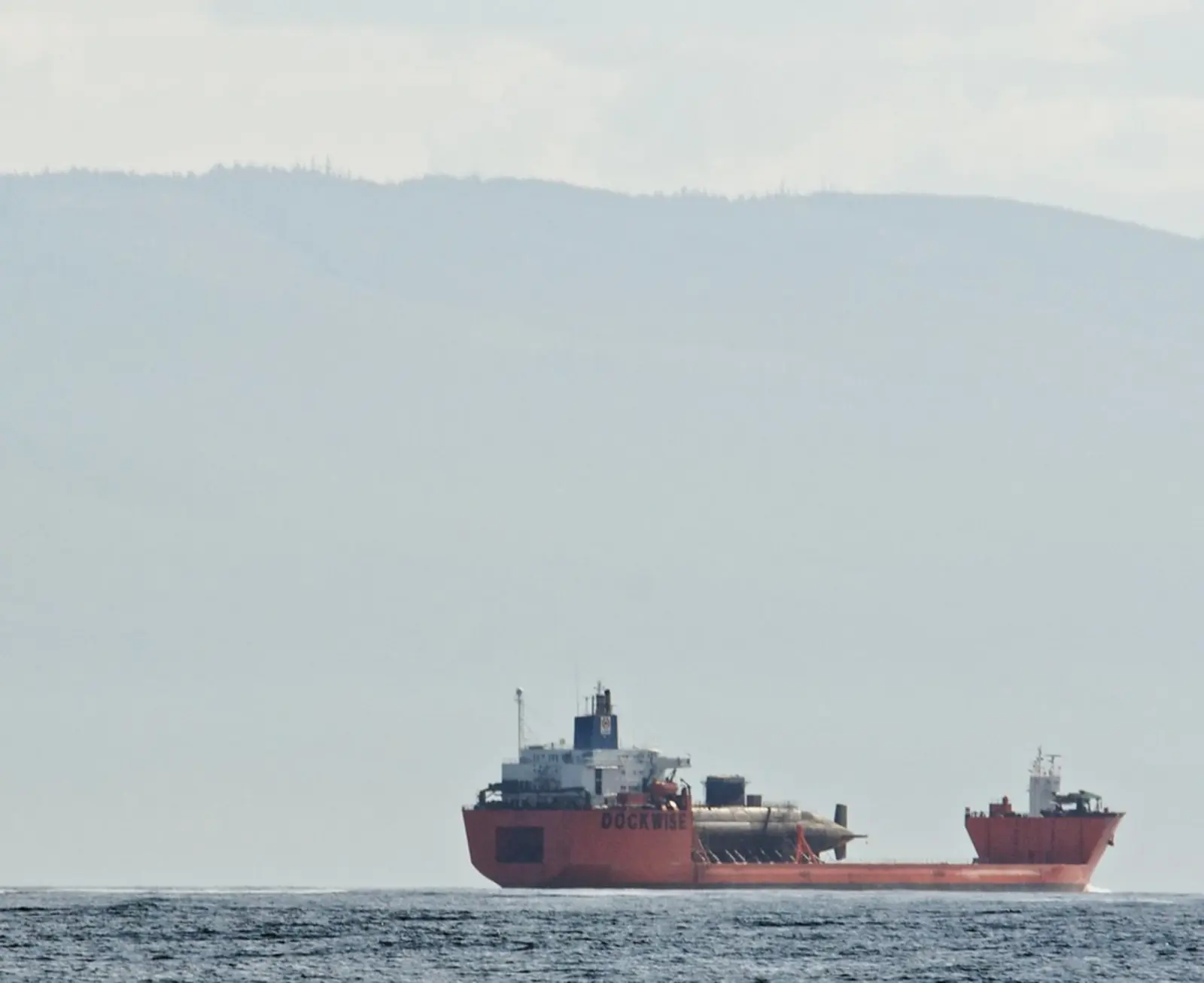
France has seized a tanker suspected of belonging to Russia’s shadow fleet, according to reports, with the vessel reportedly being taken to Reunion island. Moscow has described the move as piracy, reports say, adding geopolitical risk to an already fraught compliance picture. For physical markets, the question is whether enforcement now changes routes, insurance premia and cargo documentation.
France has moved from screening names to stopping hulls, seizing a tanker suspected of belonging to Russia’s shadow fleet. The seizure, reported by Al Jazeera and gCaptain, is a sign that enforcement against Russia-linked crude shipping is becoming physical rather than administrative.
The vessel was suspected of skirting Western sanctions, according to reports. France’s military was taking the tanker to Reunion island, reports said, and the transfer was under way on Tuesday. If those details hold, the operation places a state’s naval or military assets directly between a sanctions-linked cargo chain and its next port call.
From lists to a hull under escort
For physical markets, a seizure changes the asset first and the paper second. A tanker stopped at sea or near a chokepoint is no longer merely a compliance problem; it becomes an insurance, crewing and routing problem. Underwriters must decide whether the voyage can continue, charterers must consider substitute tonnage, and cargo interests must ask whether the bill of lading, insurance certificate and ship-to-ship history will survive scrutiny.
That matters because the shadow fleet exists to make oil move when mainstream insurers, ports and banks step back. When one hull is detained, the cost of using similar hulls rises. The effect is not a headline price spike by itself. It is a slow tightening of available vessels, longer vetting, more demands for documentation, and higher premia for routes that regulators may watch.
In physical markets, days are money, and money becomes freight.
The friction does not stop with the vessel. A detention can ripple through the next voyage: a replacement hull may need to be found, a cargo may need to be re-documented, and a buyer may demand extra warranties before accepting a sanctions-linked grade. In crude markets, such delays are rarely dramatic on the day. They accumulate as higher freight, longer loading windows and more cargoes that trade at a discount because the paper is harder to clear.
The piracy charge is political, not proof
Russia described the seizure as piracy, according to reports. The word has a legal meaning that is narrower than its political use. In law, piracy generally requires an unlawful act on the high seas; in politics, it is often used more loosely. The reported Russian charge therefore tells traders more about Moscow’s diplomatic posture than about the legal status of the French action.
The stronger commercial signal is the seizure itself. If France can board and divert a tanker suspected of sanctions evasion, other states may follow. That would raise the risk that cargoes linked to Russia’s shadow fleet face delay, inspection or detention far from their intended discharge ports. For crude buyers, the practical response is not to trade the headline but to watch the paperwork: sanctions clauses, insurance certificates and the identities of ship managers.
There is also a spatial dimension. If enforcement actions cluster near key transit routes, operators may reroute to avoid inspection, adding days and distance. A longer voyage ties up tonnage and reduces the effective supply of ships, even if the oil itself is not lost. For a shadow fleet that already relies on opaque ownership and uncertain insurance, every extra leg increases the chance that a port, insurer or navy asks questions.
The next test is evidence
The next test is whether the reported facts harden. Was the tanker flying a flag? Was it carrying crude or clean products? Did French authorities act under a sanctions regime, a port-state control issue, or another legal instrument? Those answers will determine whether this is a one-off enforcement action or a template.
For now, the seizure looks like a risk event, not a supply shock. A single tanker does not change global balances. But repeated seizures along major routes would change the economics of moving sanctioned barrels. Each detention adds days, insurance questions and legal review. In physical markets, days are money, and money becomes freight.

- 01France seized a tanker suspected of belonging to Russia’s shadow fleet, according to two reports.
- 02Reports say the vessel was suspected of skirting Western sanctions.
- 03Reports say France’s military was taking the tanker to Reunion island on Tuesday.
- 04Russia has described the seizure as piracy, according to reports.
Interpretation, not reporting. The facts above carry their tiers; this is one correspondent’s reading of them.
The seizure matters because it turns sanctions from a list into a physical barrier. I would not treat Russia’s reported piracy charge as the main market signal; the signal is that a state may stop a hull and divert it. If similar actions repeat, the marginal cost of moving sanctioned crude rises through insurance, vetting and route risk. That does not remove barrels from the water by itself, but it can widen discounts and make delivery less reliable. The test is whether France produces a legal basis and evidence that survives scrutiny. If it does, other navies may copy the tactic. If it does not, the episode may remain diplomatic theatre. I would watch whether insurers and registries pull back from comparable vessels faster than governments issue statements. That is where the real enforcement pressure lives.
— Tomás Ferreira
Every claim in this article, and what it rests on
We do not ask you to take our word for it. Each statement below carries its tier and its sources. Where sources disagree, you get both accounts and what would settle it.
France seized a tanker suspected of belonging to Russia’s shadow fleet.
The tanker was suspected of skirting Western sanctions.
France’s military was taking the tanker to Reunion island.
The tanker was being taken to Reunion island on Tuesday.
Russia described the seizure as piracy.
The case against this story
Written by an adversarial reviewer, not the correspondent
The story presents its core claim — that France seized a tanker — at the highest confidence while every supporting detail sits at the lowest. This asymmetry means a reader sees a solid headline wrapped in uncertain context: the Russian shadow fleet connection, sanctions evasion suspicion, military involvement, Tuesday timing, and the claim that Russia called it piracy are all weakly sourced. The attribution of the word 'piracy' to Russia is particularly loaded — without a named Russian official or Foreign Ministry statement using that specific term, the story embellishes Moscow's reaction to heighten drama. The entire narrative could rest on a single preliminary report that chains together assumptions, each presented as a separate fact.
Who benefits from this framing: Western governments and pro-sanctions advocates benefit from framing that portrays France as actively and successfully enforcing sanctions against Russia's shadow fleet. The dramatic narrative of seizure and Russian outrage reinforces the legitimacy of Western sanctions enforcement. Ukraine and its supporters benefit from publicized disruption of Russian oil trade. Media outlets benefit from a high-drama geopolitical confrontation story that drives engagement.
Report an error in this article
Subscriptions open at launch
Global Materials Review will be a paid publication. Reading is free while we build the archive — leave an address and we will write to you once, when subscriptions open.