
Tanker reports near Hormuz test Brent at $126.55
Repeated and partly attributed tanker incidents near Hormuz are forcing crude buyers to separate physical supply risk from headline premia.
 Tomás FerreiraEnergy, shipping and chokepoints
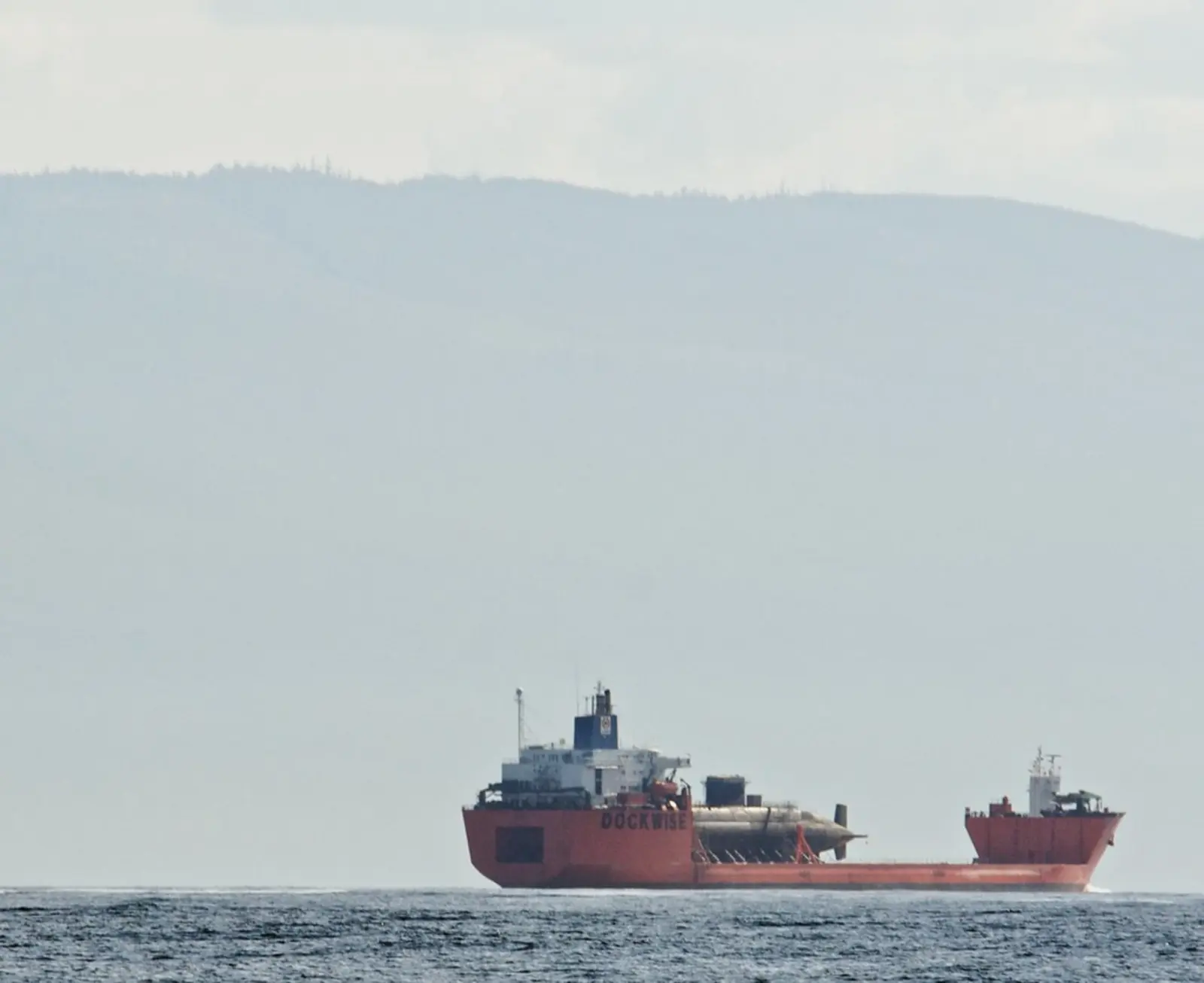
Brent crude was $126.55 on 14 October 2026, and the price is reported to have reached a five-month high. Accounts of tanker fires and mine strikes in the Strait of Hormuz remain unevenly sourced, including an IRGC report and two Russian outlets describing a 2 million-barrel cargo. The market question is whether any barrels or ships are actually impaired, not merely whether risk premia are rising.
On 14 October 2026, Brent crude was $126.55, while reports from the Strait of Hormuz described tankers on fire and a possible mine strike without a matching public record of physical loss. The price is moving faster than the proof. That gap matters for anyone exposed to crude, because a five-month high can be a risk premium long before it becomes a missing cargo.
Price is moving faster than proof
Brent's level is the cleanest fact in the set. The price is also reported to have reached a five-month high, but the underlying maritime accounts are less firm. A five-month high does not require a confirmed supply loss. It can reflect the market's assessment that the next incident may be harder to reverse. For physical buyers, the difference is between paying more for risk and paying more because barrels are late, damaged or rerouted. The reports so far support the first, not the second.
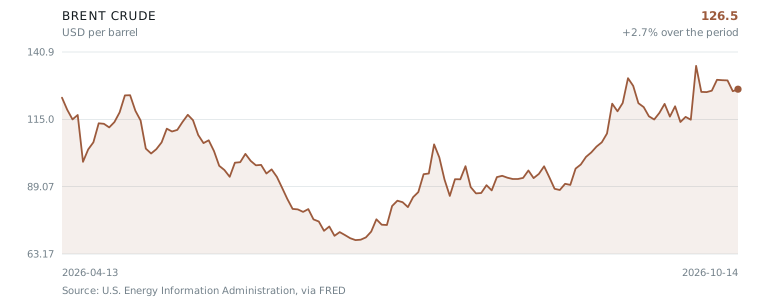
The IRGC reported a fire on a tanker in the Strait of Hormuz. That is a source with a stake in how the waterway is perceived, so the report needs corroboration before it can carry the full weight of a supply-risk story. Two Russian outlets, bfm.ru and pronedra.ru, independently report that a tanker that struck a mine was carrying 2 million barrels of oil. The 2 million-barrel figure is the most concrete cargo number in the reports. It gives the market a quantity to weigh, but without verification it remains a reported cargo, not a verified loss. The mine language also presupposes forensic attribution. No sonar trace, explosive residue or hull inspection is attached to the reports, so the physical cause remains open.
The price is moving faster than the proof.
The incidents do not yet form one route
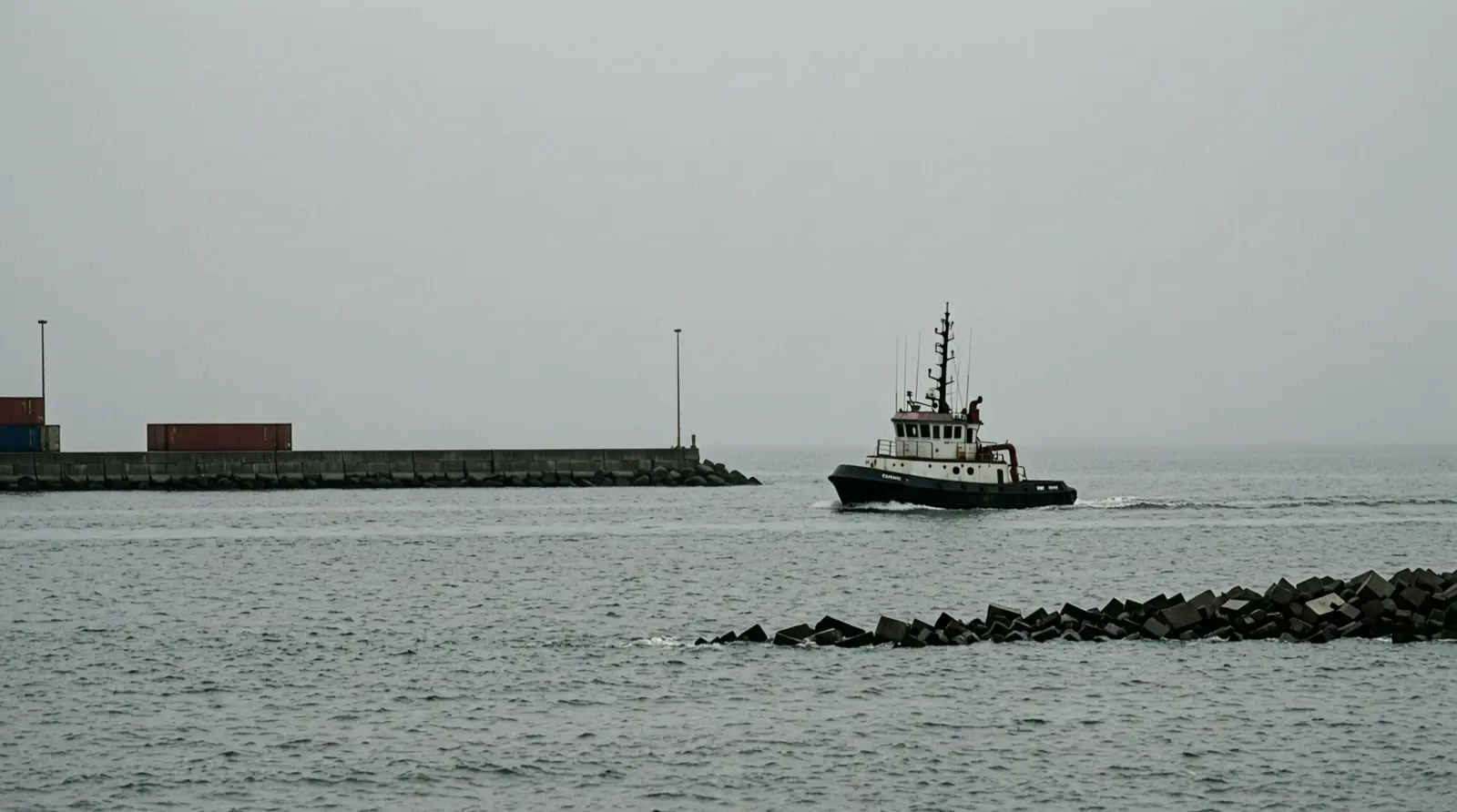
The sequence also risks double counting. One account says a second oil tanker struck a mine in the strait in one day. Another says two oil tankers were on fire. Those may be separate vessels, but they may also be the same incidents described twice. Until the ships are identified and their positions checked, the count is not settled.
A tugboat fired upon off the coast of the United Arab Emirates adds a third geography. Nothing in the reports ties that event to the Strait of Hormuz incidents, so it cannot simply be folded into a single escalation. The geography matters: Hormuz is a narrow chokepoint, while the UAE coast is a broader maritime space. If the tugboat firing is treated as part of the same sequence, the incident count rises without adding evidence of a single campaign.
The same caution applies to the broader idea that Middle East conflict intensified: the available accounts describe discrete maritime events, not an established chain of responsibility.
What physical buyers need to see
For crude buyers and ship operators, the mechanism that turns an incident into a supply problem is physical: a cargo stopped, a route avoided, a vessel damaged beyond quick repair. None of those effects is yet established by the reports. No barrel has been shown to have spilled, and no shipment has been shown to have halted. The market may still be right to demand a higher premium, but that is a pricing judgement rather than a confirmed loss.
The open question is simple. Will the 2 million-barrel tanker, the second mine report and the two fires resolve into distinct vessels with verified damage, or will they collapse into overlapping accounts from interested parties? Until then, Brent is carrying the burden of proof that the strait has not yet supplied.
- 01Brent crude was $126.55 on 14 October 2026.
- 02The IRGC reported a tanker fire in the Strait of Hormuz.
- 03bfm.ru and pronedra.ru report a mine-strike involving a 2 million-barrel cargo.
- 04Reports say two oil tankers were on fire, but the vessels may overlap.
- 05A tugboat was fired upon off the UAE coast, with no established link to Hormuz.
Interpretation, not reporting. The facts above carry their tiers; this is one correspondent’s reading of them.
The market is pricing fear faster than the physical evidence. I would not treat the Hormuz reports as noise, but the only hard number is Brent at $126.55 on 14 October. The rest is a set of accounts: an IRGC fire report, two Russian outlets describing a mine-strike and a 2 million-barrel cargo, and a tugboat firing off the UAE that is not tied to the strait. If the two tankers on fire turn out to be the same vessels counted twice, the escalation arc weakens. If the 2 million-barrel cargo is confirmed, the five-month high starts to look like a supply problem rather than a sentiment trade. I am watching for that difference, because conflict language does not move physical barrels by itself.
— Tomás Ferreira
Every claim in this article, and what it rests on
We do not ask you to take our word for it. Each statement below carries its tier and its sources. Where sources disagree, you get both accounts and what would settle it.
Brent crude was $126.55 on 14 October 2026.
A tanker that struck a mine in the Strait of Hormuz was carrying 2 million barrels of oil.
The IRGC reported a fire on a tanker in the Strait of Hormuz.
A second oil tanker in one day struck a mine in the Strait of Hormuz.
Two oil tankers were on fire in the Strait of Hormuz.
A tugboat was fired upon off the coast of the United Arab Emirates.
Brent crude reached a five-month high.
Middle East conflict intensified.
The case against this story
Written by an adversarial reviewer, not the correspondent
The story chains together loosely connected incidents into a single arc of escalation, but the joints are weak. The fire on a tanker is sourced to the IRGC, which is not a neutral party and has every reason to shape the narrative around the Strait of Hormuz. The claim that a tanker 'struck a mine' presupposes forensic attribution—sonar traces, explosive residue, hull inspection—that is not evidenced in the other claims. 'Two oil tankers were on fire' may simply be double-counting the same vessels already mentioned. The tugboat fired upon off the UAE coast is geographically separate and nothing ties it to the Strait of Hormuz incidents. The oil-price claims may reflect market panic and speculation rather than actual supply loss—no evidence shows any barrel was spilled or any shipment halted. The assertion that 'Middle East conflict intensified' is an analytical leap from discrete, unattributed maritime incidents to a broad geopolitical conclusion, without establishing who did what to whom or whether the events are even connected.
Who benefits from this framing: Oil traders and speculators holding long positions on crude benefit directly from a supply-disruption narrative that drives prices to five-month highs. The IRGC benefits from controlling the information flow around incidents in the Strait of Hormuz, shaping whether events look like escalation or containment. States and factions seeking to justify military action or elevated defense readiness benefit from a framing of intensifying conflict. Oil-producing nations benefit from sustained high prices. Defense contractors and security firms benefit from threat narratives that support increased military spending and naval deployments to the region.
Report an error in this article
Subscriptions open at launch
Global Materials Review will be a paid publication. Reading is free while we build the archive — leave an address and we will write to you once, when subscriptions open.