
Europe's winter fuel case leans on a $25 oil spread
A wide Brent-WTI gap and an unconfirmed Turkish report are not yet a winter energy squeeze, and that distinction matters for fuel budgets.
 Tomás FerreiraEnergy, shipping and chokepoints
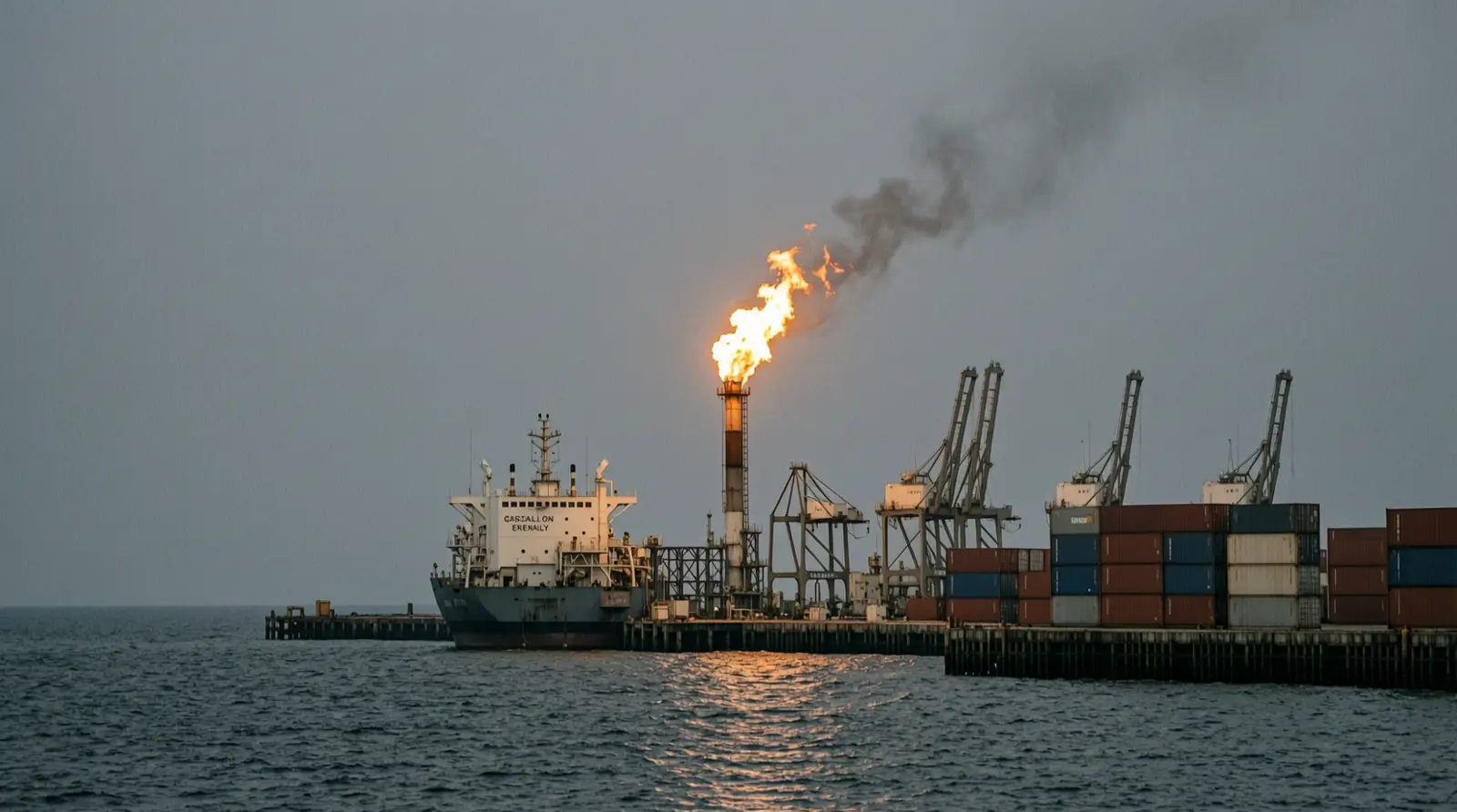
Brent at $126.55 and WTI at $101.91 on 14 October create a wide crude spread, while Henry Hub gas at $3.22 looks calm. Sozcu reports a large fuel-price increase is imminent, but benchmark numbers do not yet confirm it. Winter warnings about low European gas reserves and rising fuel costs lack a named storage or price gauge.
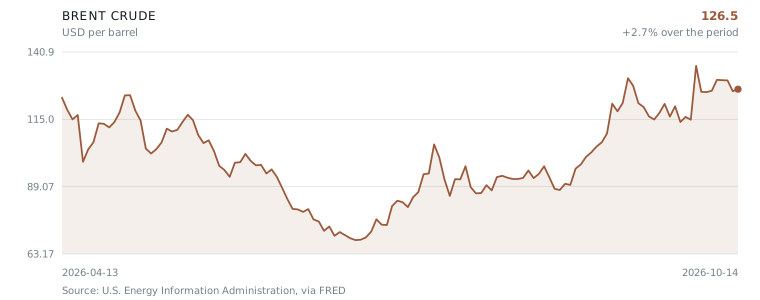
On 14 October, Brent crude printed $126.55 while WTI sat at $101.91, leaving a spread of $24.64. That is not a normal gap between two of the world's main crude benchmarks; it is a warning that at least one leg of the price picture is tight, distorted or wrong.
Henry Hub natural gas, meanwhile, was $3.22. That number does not look like a panic. It is also a US benchmark, so it speaks to European winter risk only through LNG export margins, freight and regasification, not through direct price parity.
A wide crude spread carries the physical argument
Brent is the benchmark that matters more directly to Europe's diesel, fuel oil and jet fuel costs. If $126.55 is a clean print, it raises the cost of every barrel that needs to be cracked into products before winter demand peaks. The channel is simple: higher crude input costs move through refinery margins, then into wholesale product prices, then into transport and heating budgets.
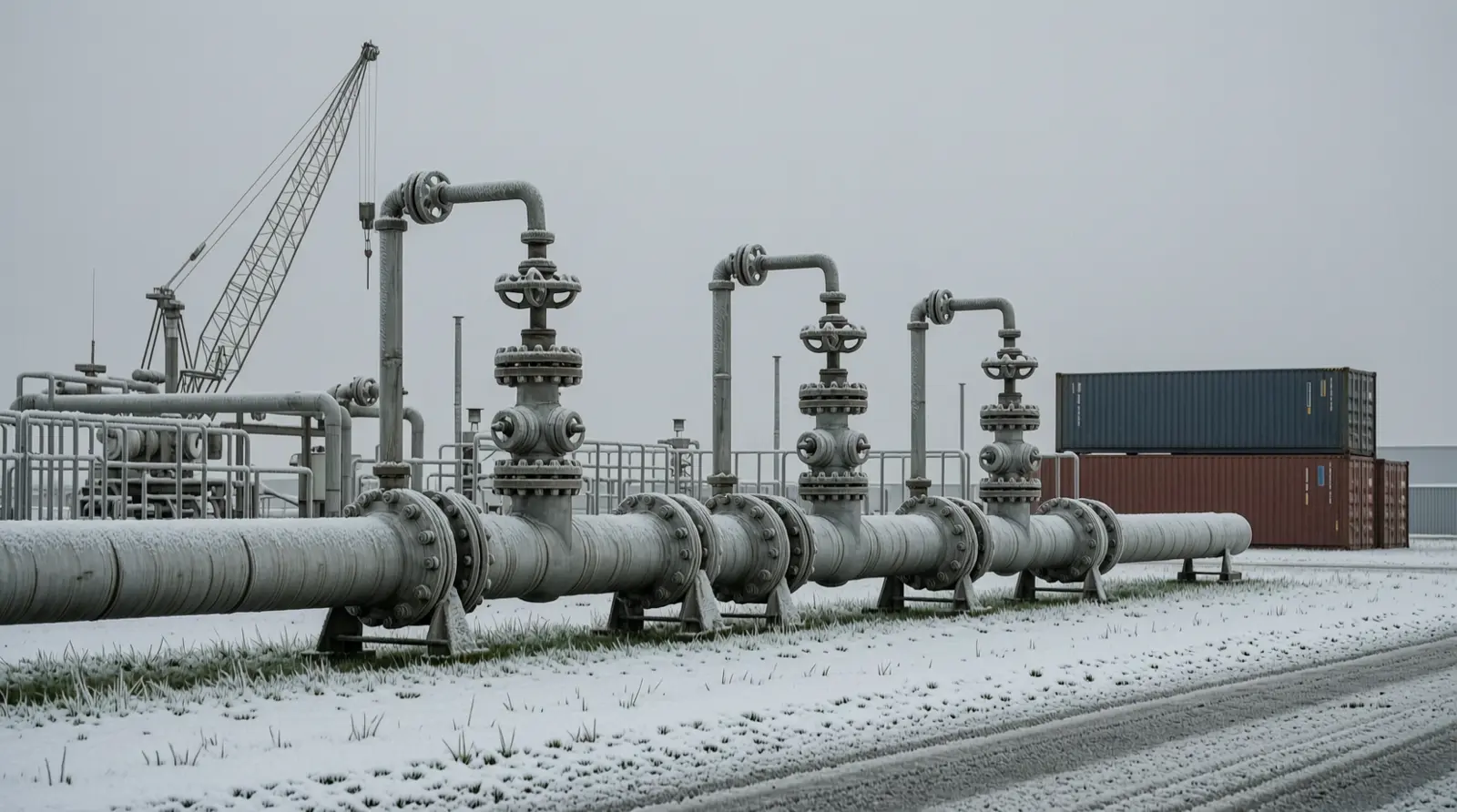
But the WTI figure complicates the picture. A $24.64 discount for US crude would usually point to a landlocked surplus in North America or to a physical squeeze in the Atlantic basin. It could also mean one of the two prices is not comparable with the other on the day. For a procurement desk, that matters because the winter fuel story cannot rest on Brent alone.
Until a primary confirmation or a product-price index lines up, the newspaper report is a lead, not proof.
Sozcu reports that a large fuel price increase is imminent. That is one side of the argument. The other side is the set of benchmark numbers themselves: high Brent, much lower WTI, and a Henry Hub gas price that does not confirm a broad energy surge. Until a primary confirmation or a product-price index lines up, the newspaper report is a lead, not proof.
Gas storage warnings need a number
The wider winter warning says Europe is entering the cold season with low gas reserves, after months of elevated energy prices, and that fuel costs are expected to keep rising as demand grows. Those are the kinds of statements that move contracts if they are tied to data. Here, they are not.
No storage dataset is attached. No European gas index is named. No forecast agency or bank is cited to explain why the expected increases should persist through winter. That leaves the mechanism plausible but unproven.
If European storage were genuinely low, the physical consequences would follow a familiar path. Withdrawals would start earlier, spot LNG cargoes would be pulled toward northwest Europe, and power prices would rise as gas-fired plants set the marginal cost more often. The detour question is where the molecules would come from: US LNG, Norwegian pipeline, or demand destruction in industry.
Henry Hub at $3.22 does not settle that question. It can stay calm while European balances tighten, because the link depends on liquefaction capacity, shipping routes and storage drafts. It can also undercut a crisis narrative if the Atlantic LNG market remains well supplied.
The market has not closed the case
The strongest factual ground is the crude spread. Brent at $126.55 against WTI at $101.91 is large enough to affect refinery economics and product exports. If the Brent side is firm, Europe's imported fuel costs face pressure even before heating demand peaks.
The weakest ground is the assertion of an imminent, large fuel-price increase. That rests on a single newspaper report and on general winter warnings that lack a named gauge. A trader can use the Brent-WTI gap as a risk flag; a buyer cannot yet treat it as confirmation of a Europe-wide fuel squeeze.
The open question is not whether the story is possible. It is whether the next week produces a European gas number, a product price move, or a primary confirmation that makes the warning unavoidable.
- 01Brent crude was $126.55 on 14 October.
- 02WTI crude was $101.91 on 14 October, making a $24.64 spread.
- 03Henry Hub natural gas was $3.22 on 14 October.
- 04Sozcu reports that a large fuel price increase is imminent.
- 05Winter warnings about low European gas reserves and rising fuel costs carry no named storage dataset or forecast agency.
Interpretation, not reporting. The facts above carry their tiers; this is one correspondent’s reading of them.
The spread is the story. I would not treat Europe's winter fuel risk as settled until the Brent-WTI gap is reconciled with product prices. Brent at $126.55 points to pressure on refinery feedstocks; WTI at $101.91 says the pressure is not uniform across crude markets. Henry Hub at $3.22 further weakens any simple panic narrative, even though it is not a direct European gas gauge. Sozcu's report of an imminent fuel-price increase may prove right, but it needs a second leg: a named storage number, a European gas index, or visible product-price movement. If Brent stays high while European gas remains calm, the pressure will show up in transport fuels rather than in a broad energy crisis. If a European storage figure later confirms low inventories, I would move quickly from skepticism to concern. Until then, the physical evidence is mixed, and the loudest warning is still a newspaper line.
— Tomás Ferreira
Every claim in this article, and what it rests on
We do not ask you to take our word for it. Each statement below carries its tier and its sources. Where sources disagree, you get both accounts and what would settle it.
The Henry Hub natural-gas price was 3.22 on 2026-10-14.
Brent crude was priced at 126.55 on 2026-10-14.
WTI crude was priced at 101.91 on 2026-10-14.
Sozcu reports that a large fuel price increase is imminent.
Europe is entering winter with low gas reserves.
Europe has experienced months of elevated energy prices.
European fuel costs are expected to continue rising through the winter months as demand grows.
The case against this story
Written by an adversarial reviewer, not the correspondent
The story's own data undercuts its crisis narrative. Henry Hub natural gas at $3.22 is a moderate, non-alarming price that does not support the claim that energy costs are surging — and it is a US benchmark loosely connected to European gas markets in any case. More critically, the Brent price of $126.55 and the WTI price of $101.91 produce a spread of nearly $25, which is historically extraordinary and suggests at least one figure is wrong. If either oil price is erroneous, the factual foundation of the entire 'rising fuel costs' narrative collapses. The most dramatic assertion — an imminent large price increase — rests solely on one Turkish newspaper rather than on market data or specialist energy trade publications. The three lower-confidence claims about low reserves, elevated prices, and expected increases are vague and unsourced: no European gas storage dataset (e.g., AGSI or GIE storage data), no named price index (e.g., TTF), and no identified forecast agency or bank is cited anywhere. A reader is asked to accept an energy-crisis story built on internally inconsistent price data, a single newspaper report, and unattributed generalisations.
Who benefits from this framing: Energy traders and speculators holding long positions in oil and gas benefit if readers believe prices are heading higher, as crisis framing can drive retail and institutional buying that pushes prices up further. Domestic fossil-fuel producers and LNG exporters benefit from scarcity narratives that justify higher export prices and expanded production. Governments seeking to justify emergency energy subsidies, price caps, or interventionist policies also benefit from a crisis framing. Media outlets benefit from alarming headlines that drive engagement and clicks.
Report an error in this article
Subscriptions open at launch
Global Materials Review will be a paid publication. Reading is free while we build the archive — leave an address and we will write to you once, when subscriptions open.