
Asia's LNG winter stress test rests on a missing cargo count
Traders are being asked to price a supply squeeze that warmer weather may undercut before the first cold snap.
 Tomás FerreiraEnergy, shipping and chokepoints
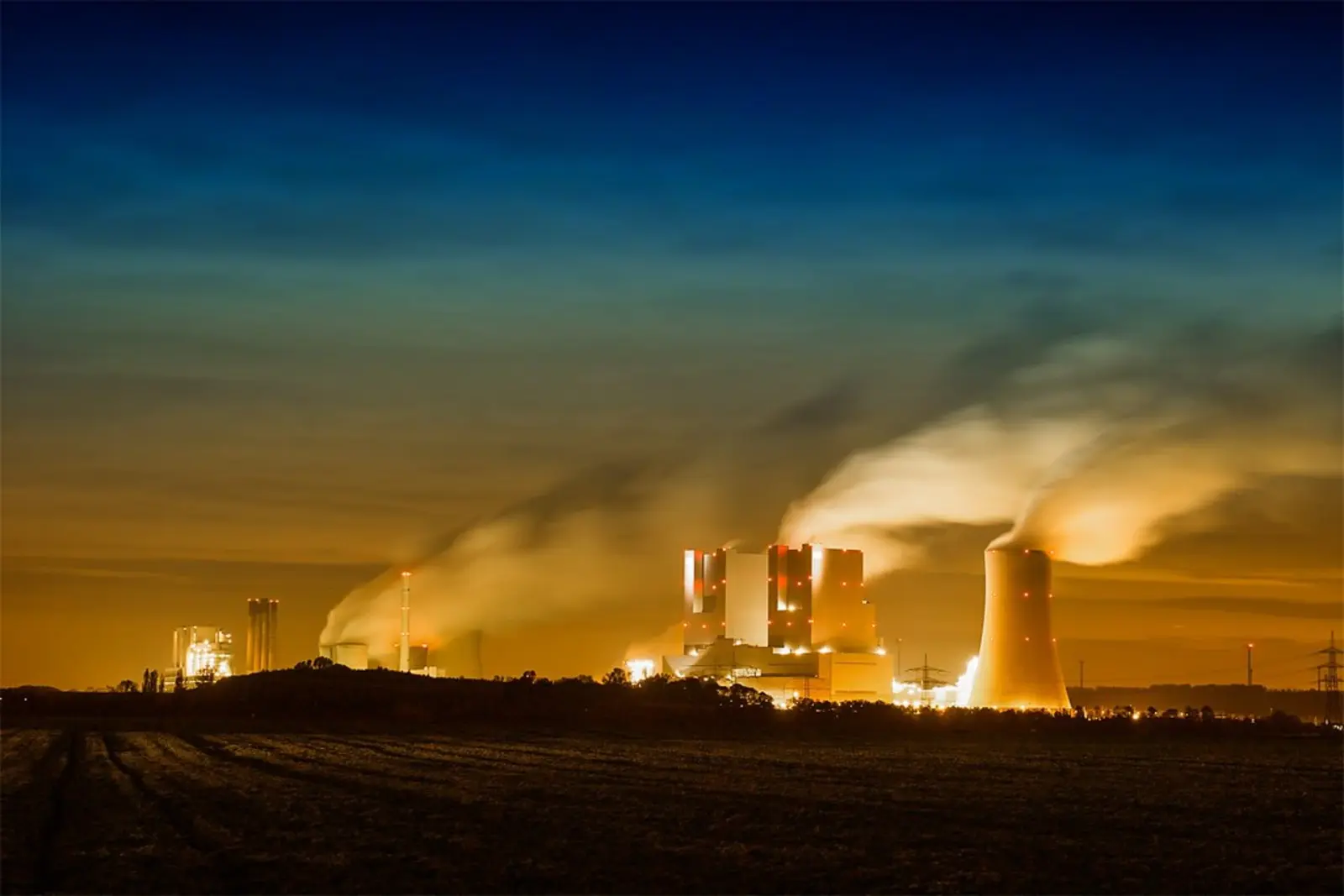
Pakistan faces a winter LNG bill above $1 billion while Australia debates a domestic reservation mandate. A forecast super El Niño could warm Northeast Asia and cut heating demand, even as reported Qatari term-supply disruption pushes spot prices higher. The market's direction now depends on which force shows up in cargoes, not words.
Islamabad's winter fuel problem now has a price tag: more than $1 billion to secure LNG for the cold months. That is a heavy bill for a buyer that usually leans on careful timing, and it lands while two other forces pull the Asian gas market in opposite directions. One is a possible domestic-supply squeeze in Australia. The other is a weather pattern that could reduce heating demand in Northeast Asia.
A Pakistani bill with a physical address
Pakistan will have to pay more than $1 billion to secure LNG supply for the winter months. The number matters because spot purchases are not abstract. Each cargo must be bid for, loaded, chilled and delivered, and a buyer with a large winter requirement adds urgency to a market that can only move so many vessels at once. If Pakistan is forced into the water early, it competes with other Atlantic and Pacific buyers for the same flexible supply.
A $1 billion winter bill also changes risk appetite. Procurement teams that expected to buy late must now decide whether to pay up early or gamble on a milder forecast. The first choice supports prices; the second leaves the door open to a sudden correction.
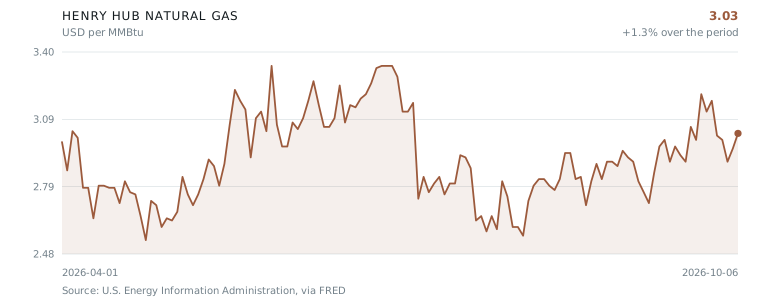
That pressure is visible in the price signal. Spot LNG prices have risen amid reported major disruptions to Qatari term supply. The phrase is doing a lot of work. So far, the description offers no named buyer, no cargo count and no force-majeure notice. The market is being asked to price a supply shock that has not yet been counted in hulls or tenders.
The market is being asked to price a supply shock that has not yet been counted in hulls or tenders.
In a normal market, a disruption to term supply would be confirmed by missing deliveries or buyers seeking replacements. The absence of those markers makes the price rise harder to defend. For traders, the question is not whether Qatar can matter; it always does. The question is whether the disruption is large enough to show up in actual nominations, diversions and insurance premia. Until it does, the price move looks ahead of the physical evidence.
Australia's mandate is not yet a cargo
The second supply story is political rather than maritime. The Australian government plan would require LNG producers to reserve certain volumes for domestic supply. Shell has spoken out against the plan. That opposition is a corporate lobbying position, not a change in flows. It tells us where one large producer stands, not how many cargoes will be withheld from export.
The mechanism, however, is straightforward. If producers must set aside gas for the home market, less may be available for spot export. That could tighten an already nervous market, especially if the rule bites during maintenance or an unplanned outage. But a mandate on paper does not cool a cargo. The market needs to see whether the policy changes contracted volumes, diversion rights or merely the tone of the debate.
For physical buyers, the test is simple: does the policy alter what can be loaded at export plants? If it does not, the reservation fight remains a domestic argument with limited near-term freight consequences.
Weather may cut the demand side
The clearest counterweight comes from the sky. A super El Niño is expected to raise winter temperatures in South Korea, Japan and parts of China. Warmer winter temperatures in those key Asian LNG importers could ease gas supply needs.
That is not a small detail. South Korea, Japan and China are among the largest demand centres in the region. If heating demand falls, utilities can burn less gas, draw more from storage or let term contracts run without urgent spot replacements. A milder winter can turn a tight balance into a comfortable one faster than any new supply project.
If utilities in those countries need less heating fuel, the effect should appear in lower spot purchases and slower inventory draws. This is where the story's tension sits. One force points to higher prices through disrupted supply and Pakistan's urgent bill. The other points to lower demand through warmer Northeast Asian weather. Both cannot be the dominant driver at the same time. The market will resolve this not through forecasts, but through cargoes loaded, tenders issued and power-sector burn. Watch whether Pakistan's buying appears in vessel fixtures, and whether any Qatari disruption shows up in actual diversions. If it does not, the winter stress test may be more about fear than physics.
- 01Pakistan faces a winter LNG bill of more than $1 billion.
- 02Spot LNG prices have risen amid reported major disruptions to Qatari term supply.
- 03A super El Niño may raise winter temperatures in South Korea, Japan and parts of China.
- 04Australia's plan would require LNG producers to reserve volumes for domestic supply.
- 05Shell has spoken out against the Australian reservation plan.
Interpretation, not reporting. The facts above carry their tiers; this is one correspondent’s reading of them.
The burden of proof is now on the supply side. I can see why Pakistan's $1bn bill and the Australian reservation debate make buyers nervous, but a warmer Northeast Asian winter is a large demand-side offset. If the Qatari disruption is real, it should surface in missed deliveries, replacement tenders and higher freight around affected routes. If those markers do not appear, the rally looks like risk premia rather than physical shortage. My test is simple: count cargoes, not adjectives. Australia's mandate could matter over time, but Shell's opposition alone does not move a single molecule. El Niño forecasts can also shift, so I would not treat them as settled. If winter temperatures in Japan, South Korea and China stay mild through the peak heating months, spot demand may soften even while Pakistan remains in the market. The open question is whether supply evidence catches up with price before procurement teams commit to expensive winter cover.
— Tomás Ferreira
Every claim in this article, and what it rests on
We do not ask you to take our word for it. Each statement below carries its tier and its sources. Where sources disagree, you get both accounts and what would settle it.
Shell has spoken out against an Australian government plan to ensure domestic gas supply by mandating LNG producers to reserve certain volumes for the domestic market.
The Australian government plan would require LNG producers to reserve certain volumes for domestic supply.
A super El Niño is expected to raise winter temperatures in South Korea, Japan, and parts of China.
Warmer winter temperatures in South Korea, Japan, and parts of China could ease gas supply needs in those key Asian LNG importers.
Pakistan will have to pay more than $1 billion to secure LNG supply for the winter months.
Spot LNG prices have risen amid major disruptions to Qatari term supply.
The case against this story
Written by an adversarial reviewer, not the correspondent
The story's overall picture is of an Asian LNG market squeezed from multiple directions—Australian reservation policy, Qatari supply disruptions, and Pakistan's cost burden. But the picture is internally contradictory and selectively assembled. If a 'super El Niño' genuinely raises winter temperatures across South Korea, Japan, and China, that would substantially cut heating demand in three of the world's top five LNG importers—a major bearish factor that should pressure spot prices downward, not upward. The story never reconciles this demand-destruction signal with its simultaneous claim that spot prices have risen. The linchpin of the supply-tightness narrative—'major disruptions to Qatari term supply'—is an extraordinary assertion about the most reliable supplier on the planet, offered without a single named buyer, cargo count, or force-majeure notice. Remove the Qatari disruption claim and the price-rise story loses its engine; remove the El Niño claim and the demand-easing counterweight vanishes. The two cannot coexist comfortably at the same confidence tier without evidence explaining how supply-side shocks overwhelm the demand-side relief. Meanwhile, Shell's opposition to Australian domestic reservation is presented as a market event, but it is a corporate lobbying position—commonplace and not itself evidence of supply tightening. The story conflates corporate advocacy, an unverified meteorological forecast, an unsourced cost figure, and an unsubstantiated supply-disruption report into a single crisis narrative that the evidence does not sustain.
Who benefits from this framing: LNG producers and exporters benefit most from this framing. A narrative of supply tightness, Qatari disruptions, and billion-dollar procurement costs supports higher spot prices and strengthens the bargaining position of sellers in term negotiations. Shell's opposition to Australian domestic gas reservation is lent implicit credibility by a surrounding story of market stress—if readers believe supply is already constrained, mandating domestic set-asides sounds riskier. Energy traders and speculators also benefit from perceived volatility and uncertainty, which widens spreads and creates trading opportunities. Countries or companies seeking to justify new LNG export capacity or to resist domestic-supply mandates can cite this framing as evidence that the market cannot afford further constraints.
Report an error in this article
Subscriptions open at launch
Global Materials Review will be a paid publication. Reading is free while we build the archive — leave an address and we will write to you once, when subscriptions open.