
Atlantic supply risks pile up, but the details are thin
Delays in the North Sea, a US fee proposal and an ice-patrol defect could raise costs and routing risk, but none has yet disrupted physical flows.
 Tomás FerreiraEnergy, shipping and chokepoints
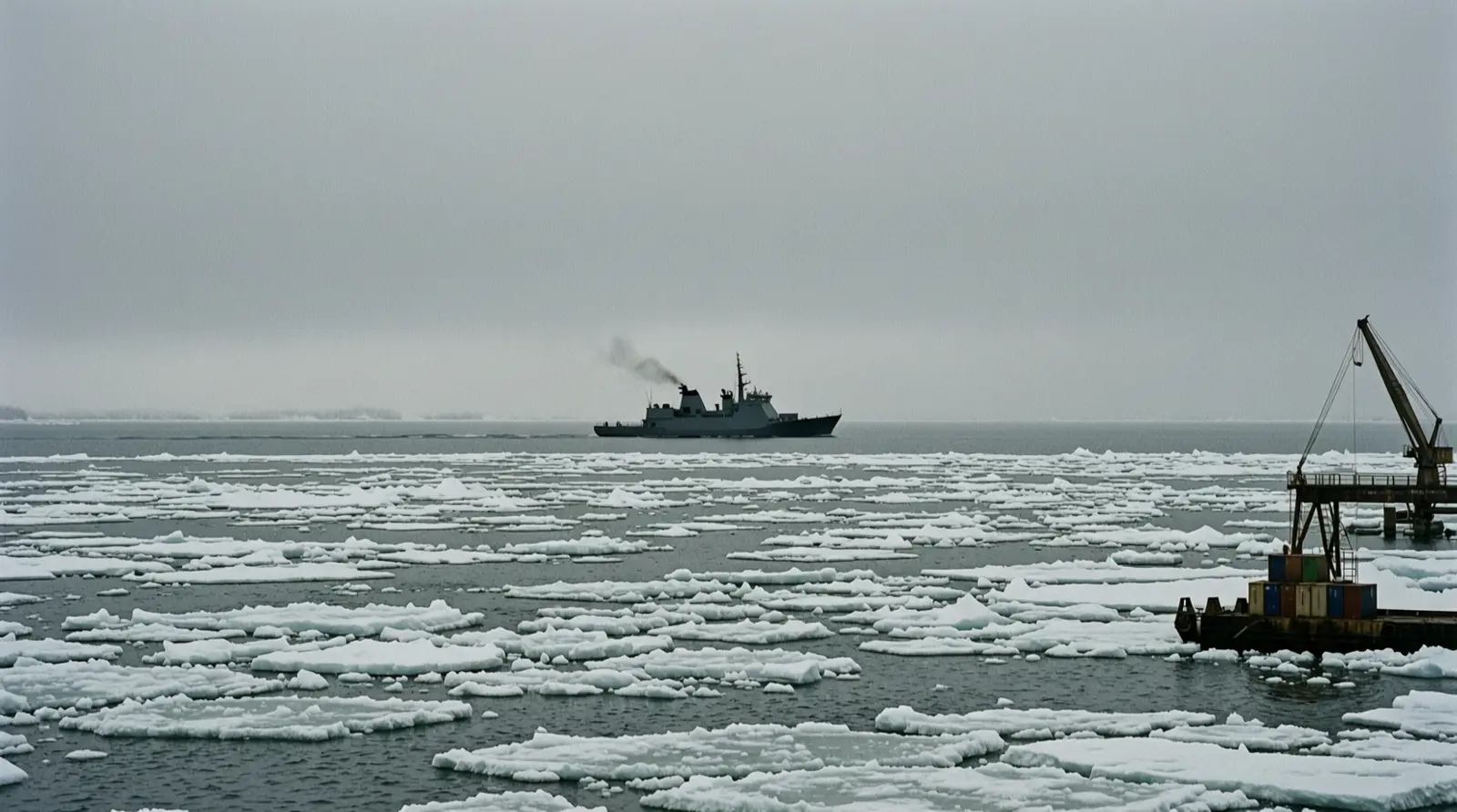
Three Atlantic-basin issues are moving at once: delayed North Sea approvals, a proposed US fee on Spanish-flagged vessels, and a defect on the vessel identified as Britain’s only dedicated ice patrol ship. The common thread is added process risk, not yet a physical supply break. The numbers are large, but the supporting detail is uneven.
On 6 October, Brent crude was priced at $125.44. The price is precise; the supply story around it is not. Three separate Atlantic-basin issues are moving at once: delayed approvals for Jackdaw and Rosebank in the North Sea, a US proposal tied to Spanish-flagged vessels, and a defect affecting the vessel identified as the Royal Navy’s only dedicated ice patrol ship. Together they point to process and operating risk, but not yet to a confirmed physical break in flows.
The clearest market fact is the Brent print. At $125.44, the number gives a reference point for how expensive crude already is before any additional Atlantic friction is added. What it does not show is whether the three developments below are changing cargoes today, or merely raising the chance of higher costs later.
A fee aimed at Spain, with little explanation
A proposal attributed to the US Federal Maritime Commission would impose a $200,000 fee on Spanish-flagged vessels entering American ports. The same proposal is described as including restrictions in addition to the fees.
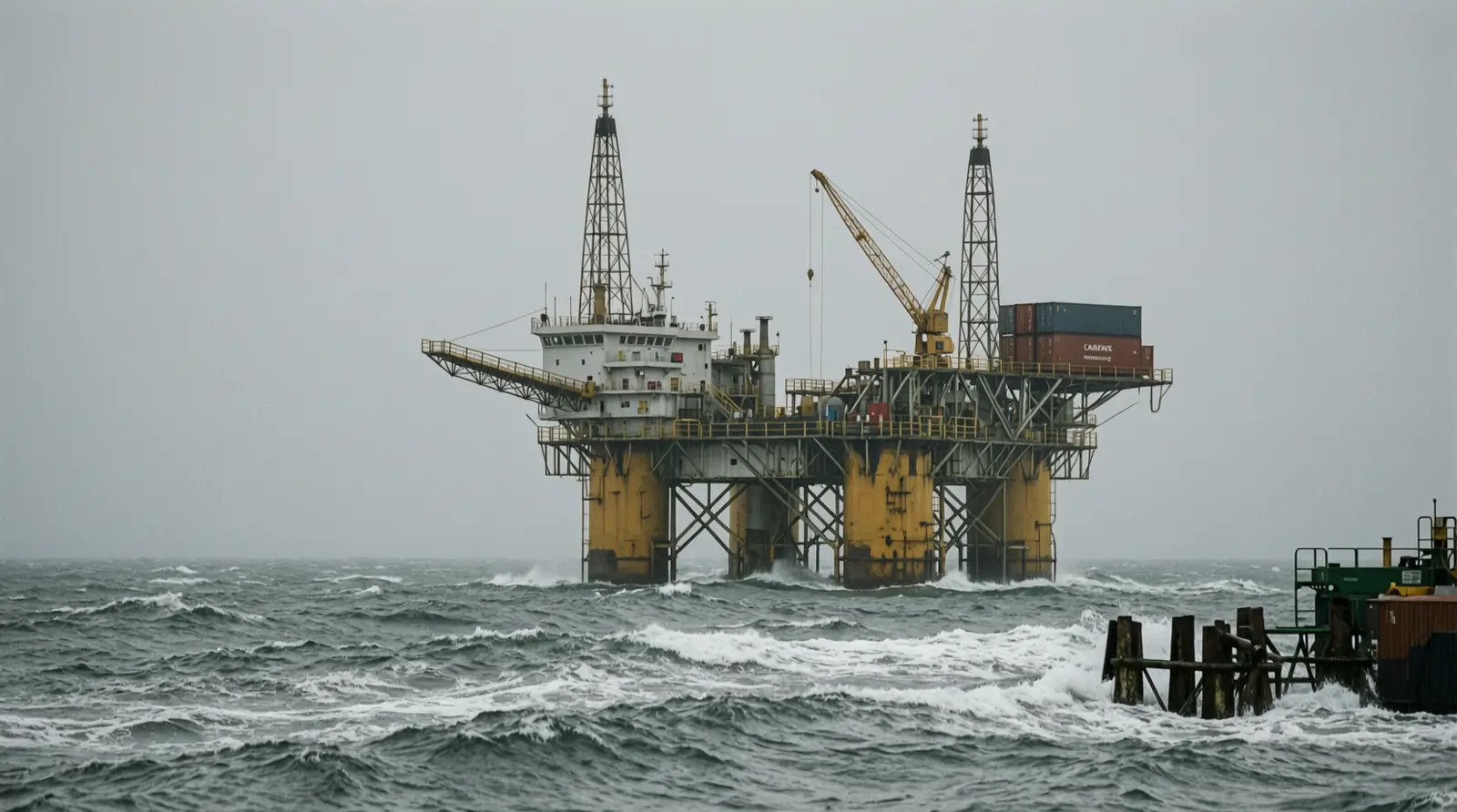
If adopted, a fixed per-call charge would hit each port entry, regardless of cargo size, making short calls and marginal routes more sensitive than large, full cargoes. That matters because port fees do not simply vanish into a shipping line’s accounts; they can be passed through, avoided by changing flag, routing or port selection, or absorbed in freight rates. The proposal’s unusual focus on Spain also raises a question the available information does not answer: why Spanish-flagged vessels, rather than a broader category of foreign tonnage?
The price is precise; the supply story around it is not.
That uncertainty matters. A proposal is not a rule, and a fee that has not been finalised cannot yet be priced into contracts with confidence.
A North Sea decision measured in time, not barrels
Approval for more oil and gas drilling at the North Sea sites Jackdaw and Rosebank has been delayed. The delay is attributed to government process and lengthy bureaucratic wrangling. The decision is described as a $47 billion oil decision.
The figure is large, but its meaning needs care. A headline value attached to a development decision is not the same as money already spent, nor does it show how much of that value depends on future prices, taxes, costs and timing. The practical effect of the delay is therefore not a loss of $47 billion, but a loss of schedule. For projects that need long lead times, a delay in approval pushes decisions on drilling, supply contracts and future production further into the future.
At $125.44, the price does not by itself explain the delay. The practical question is whether the regulatory path is predictable enough for operators to commit.
One ice patrol ship, and no obvious substitute
The vessel identified as the Royal Navy’s only dedicated ice patrol ship was towed from Teesside to Devonport after a reported defect. Its future is described as uncertain.
This is a narrower issue than port fees or North Sea approvals, but it has a clear operational logic. Ice patrol capability is not a commodity flow in itself; it supports safe navigation, monitoring and presence in cold waters. If the vessel is out of service for long, the gap is not just symbolic. It reduces one dedicated asset available for ice-related tasks in waters where alternatives may not be equivalent.
The important unknown is whether the defect is routine and repairable, or serious enough to end the vessel’s service. The available information does not settle that.
The open question is whether any of these three threads hardens into a durable constraint: a final rule on Spanish-flagged vessels, a North Sea approval timetable, or a repair decision on the ice patrol ship. Until one of those happens, the risk is real but still mostly procedural.
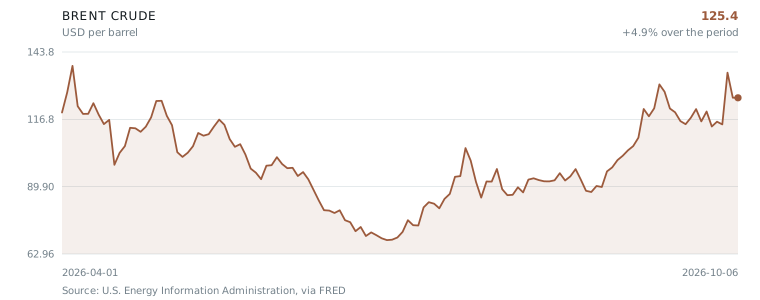
- 01Brent crude was priced at $125.44 on 6 October.
- 02A proposal attributed to the US Federal Maritime Commission would impose a $200,000 fee on Spanish-flagged vessels entering American ports.
- 03The same proposal is described as including restrictions in addition to the fees.
- 04The vessel identified as the Royal Navy’s only dedicated ice patrol ship was towed from Teesside to Devonport after a reported defect.
- 05Approval for more drilling at the North Sea sites Jackdaw and Rosebank has been delayed.
Interpretation, not reporting. The facts above carry their tiers; this is one correspondent’s reading of them.
The useful signal here is process risk, not immediate physical loss. I see three separate frictions: a North Sea approval delay, a US port-fee proposal aimed at Spanish-flagged vessels, and a defect on the vessel identified as the Royal Navy’s only dedicated ice patrol ship. Each can matter without becoming a supply shock. The Brent price at $125.44 gives the market context, but it does not prove that any of these events has removed a barrel, diverted a ship or closed a route. My test is whether the friction changes routing, insurance, project sanctioning or transit days. So far, the evidence is thinner than the alarm. The $200,000 fee is striking, but its targeting and final form are unclear. The $47 billion Jackdaw and Rosebank figure is large, but its meaning is not explained. The ice patrol ship may be repairable. If the FMC proposal hardens into rules, or the North Sea delay stretches into a multi-year permitting fight, the Atlantic picture changes. Until then, I would watch the paperwork more than the rhetoric.
— Tomás Ferreira
Every claim in this article, and what it rests on
We do not ask you to take our word for it. Each statement below carries its tier and its sources. Where sources disagree, you get both accounts and what would settle it.
Brent crude was priced at $125.44 on 2026-10-06.
The U.S. Federal Maritime Commission is proposing a $200,000 fee on Spanish-flagged vessels entering American ports.
The FMC proposal concerning Spanish-flagged vessels includes restrictions in addition to the proposed fees.
The Royal Navy's only dedicated ice patrol ship was towed from Teesside to Devonport after a reported defect.
The Royal Navy's only dedicated ice patrol ship faces an uncertain future following the reported defect.
Approval for more oil and gas drilling at the North Sea sites Jackdaw and Rosebank has been delayed.
The delay in the Jackdaw and Rosebank approval is attributed to government process and lengthy bureaucratic wrangling.
The Jackdaw and Rosebank North Sea decision is described as a $47 billion oil decision.
The case against this story
Written by an adversarial reviewer, not the correspondent
The story stitches together alarming claims across trade, defence, and energy that individually lack verification and collectively paint a crisis narrative. A $200,000 per-call fee on Spanish-flagged vessels is extraordinarily punitive and the targeting of Spain specifically is unexplained—why Spain and not all foreign-flagged vessels? The Royal Navy ice patrol ship being towed for a defect is plausible, but the leap to 'uncertain future' is pure speculation absent evidence the defect is beyond repair. The $47 billion figure for Jackdaw and Rosebank is presented without context and likely conflates lifetime revenue at assumed prices with actual investment, which would be far lower. The Brent crude price is stated to two decimal places without a cited market data source. Each claim could be true in a narrow sense, but the framing amplifies alarm well beyond what the underlying facts support.
Who benefits from this framing: Pro-drilling and energy industry interests benefit from framing approval delays as 'bureaucratic wrangling' and citing high oil prices to argue for faster permitting and less regulatory scrutiny. Anti-regulation advocates benefit from stories about punitive government fees on commercial shipping. Defence spending hawks benefit from narratives of naval equipment failure and capability gaps. Collectively, the framing serves actors who want less regulation of energy extraction, more defence spending, and deeper scepticism of government regulatory processes.
Report an error in this article
Subscriptions open at launch
Global Materials Review will be a paid publication. Reading is free while we build the archive — leave an address and we will write to you once, when subscriptions open.