
Drone incidents near Romania and St Petersburg test sea-lane risk
Shootdowns, suspected strikes and satellite access now touch the same commodity corridors.
 Tomás FerreiraEnergy, shipping and chokepoints
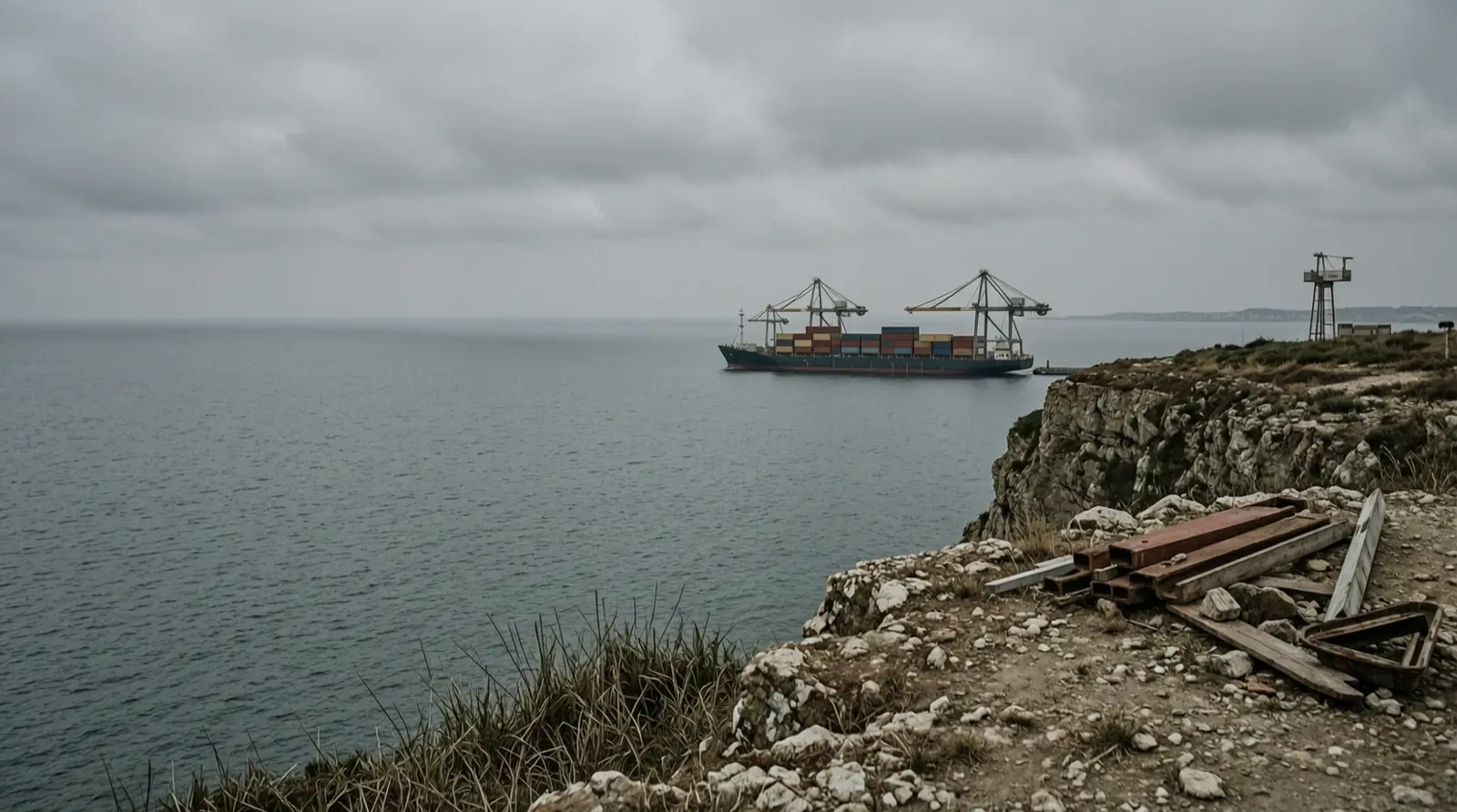
Romania's defence ministry said F-16 fighters shot down two drones over territorial waters on 17 October. Video showed explosions in St Petersburg after a suspected Ukrainian drone swarm, while Rubio said Ukraine lacks Starshield access and has requested a military-grade Starlink capability. The combination raises transport risk from the Black Sea to the Baltic.
Romania's defence ministry said F-16 fighters shot down two drones over Romanian territorial waters on 17 October. That puts a military interception above a commercial coastline, close to working sea lanes. It also arrives in the same news cycle as a suspected drone attack on St Petersburg, hundreds of kilometres to the north-east.
The ministry announced the shootdown. The announcement is the official fact; the physical evidence would determine how long the risk premium sticks. For a trader, that distinction matters. A statement changes the file immediately, while wreckage, coordinates and notices determine what can be underwritten.
Video posted on social media showed multiple explosions in St Petersburg after the suspected Ukrainian drone swarm. The footage does not prove who launched the drones, how many were involved, or what was hit. It does put a large Russian city and a Romanian interception into the same frame.
The commercial system moves first
The first commercial response to incidents like these is rarely a headline. It is a quiet recalculation. War-risk premia, crewing terms and routing instructions move before public statements catch up.
The route question is simple: if one approach becomes harder, where does the cargo go, and how many extra days does the detour add?
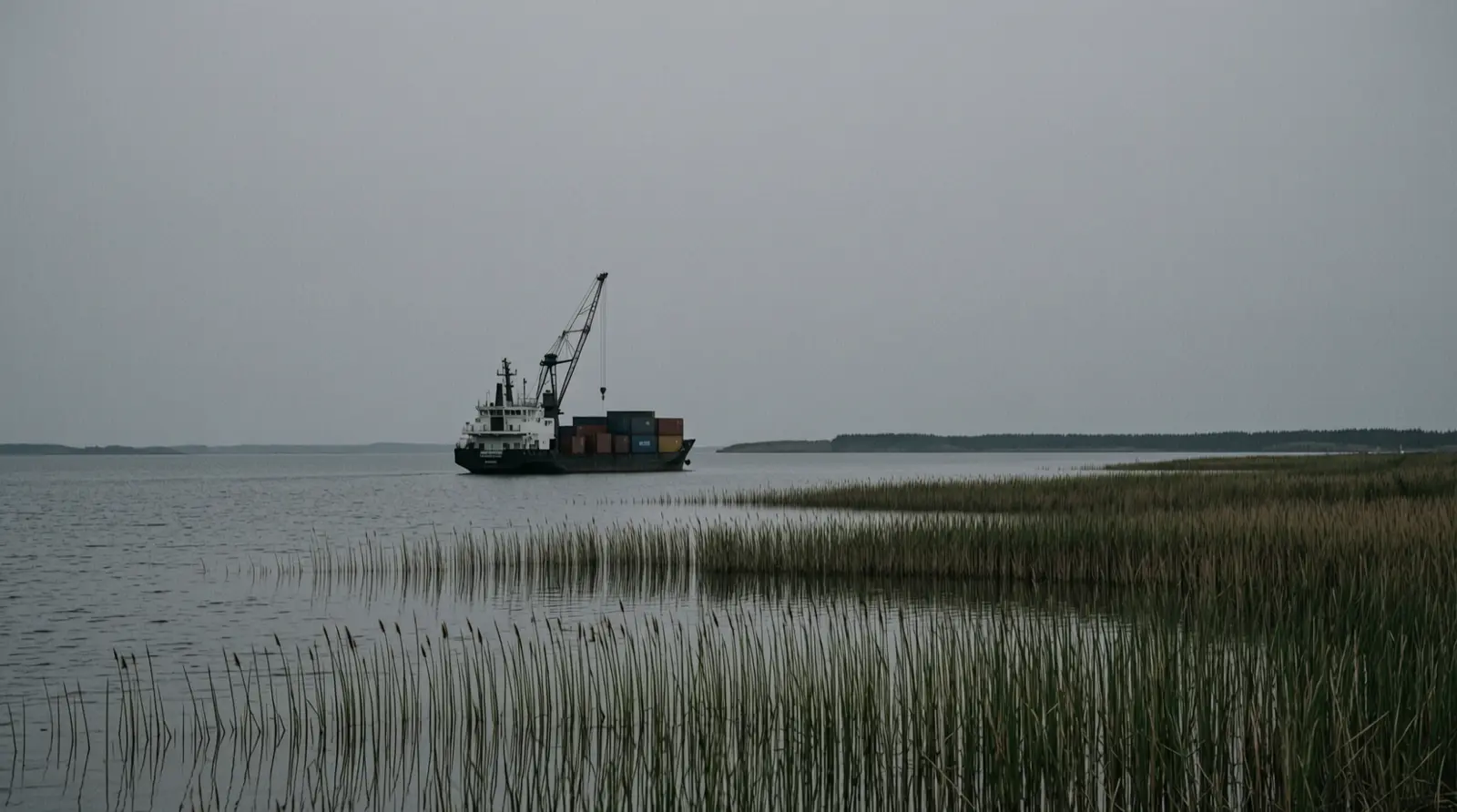
Romania's waters sit beside Black Sea commodity transport. A shootdown does not close a port by itself. It tells masters and operators that the air picture above the sea is no longer theoretical.
St Petersburg matters through a different doorway. It is a Baltic point of exposure, and video of explosions over a city can affect port calls, cargo confidence and inland logistics even when damage is unclear. The route question is simple: if one approach becomes harder, where does the cargo go, and how many extra days does the detour add?
Satellite access is the second front
Rubio said Ukraine is without access to Starshield. He also said Ukraine's future access to Starshield is under discussion. Those two statements describe a capability gap and a policy decision that has not been settled.
Rubio added that Ukraine has requested access to a military-grade version of Starlink for strikes deep inside Russia. That is a different issue from Starshield, and the difference matters. One is a service currently unavailable; the other is a request for a more capable satellite link that could extend the reach of strike planning.
For commodity transport, the channel is indirect but real. If satellite-enabled strikes become easier to conduct farther from the front line, the set of ports, anchorages and transport nodes considered exposed expands. The market then prices not just the cargo, but the probability that a berth or junction becomes a target.
The next test is physical evidence
The Romanian incident becomes easier to price with physical wreckage, precise coordinates and any notice to mariners. Those details would give shipping desks something concrete to underwrite.
The St Petersburg footage needs the same discipline. Until origin and damage are established, it is a signal of risk, not a balance-sheet event. The same applies to the satellite debate: words from officials can move expectations, but access, terminals and rules of use determine operational effect.
The open question is whether these three threads merge into a single risk map. If Romania, St Petersburg and satellite access become linked in the commercial mind, Black Sea and Baltic freight would feel it first. If they stay separate, the market may treat them as isolated incidents rather than a widening pattern.
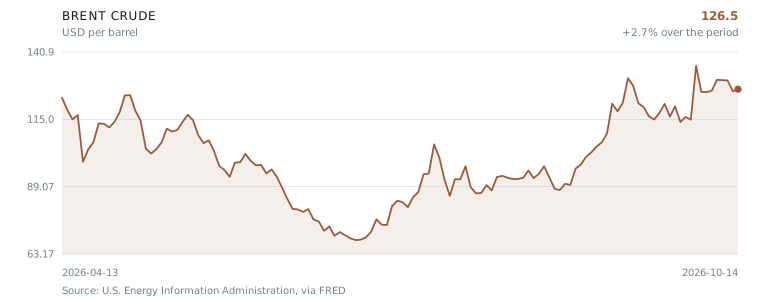
- 01Romania's defence ministry said F-16s shot down two drones over territorial waters on 17 October.
- 02Video posted on social media showed explosions in St Petersburg after a suspected Ukrainian drone swarm.
- 03Rubio said Ukraine is without access to Starshield and future access is under discussion.
- 04Rubio said Ukraine requested access to a military-grade version of Starlink for strikes deep inside Russia.
Interpretation, not reporting. The facts above carry their tiers; this is one correspondent’s reading of them.
The geography is doing more work than the rhetoric. Romania's announced F-16 shootdown over territorial waters and the suspected drone swarm over St Petersburg are different events, but they sit on the same chart. Add Rubio's remarks on Starshield and a requested military-grade Starlink capability for strikes deep inside Russia, and the issue is no longer a single incident. It is whether reach, targeting and satellite access are becoming one risk calculation. I would not treat the video alone as proof of a new phase. The word suspected is doing heavy lifting, and the Romanian announcement needs physical detail before it can be priced with confidence. But the direction is clear enough. If debate over more capable satellite links runs alongside drones near commercial waters, the area considered exposed expands. The thing I would watch is whether these threads become connected in the commercial mind. If they do, the market response would be visible in pricing and routing. If they do not, this remains a cluster of worrying signals rather than a structural shift.
— Tomás Ferreira
Every claim in this article, and what it rests on
We do not ask you to take our word for it. Each statement below carries its tier and its sources. Where sources disagree, you get both accounts and what would settle it.
Romanian F-16 fighter jets shot down two drones over Romania's territorial waters on 17 October 2026.
Romania's defence ministry announced the shootdown of the two drones.
St Petersburg was attacked by a suspected Ukrainian drone swarm.
Video posted on social media shows multiple explosions in St Petersburg after the suspected drone swarm.
Rubio said Ukraine is without access to Starshield.
Rubio said Ukraine's future access to Starshield is under discussion.
Rubio said Ukraine has requested access to a military-grade version of Starlink for strikes deep inside Russia.
The case against this story
Written by an adversarial reviewer, not the correspondent
The strongest case against this story is that it weaves together unverified military escalation events with attributed diplomatic claims to create an impression of rapidly expanding conflict, without a single primary source visible in the evidence. The St Petersburg drone swarm claim relies on unnamed 'suspicion' and social media video—the two weakest forms of evidence—while the Rubio claims attribute specific statements about satellite access without direct quotes, raising the possibility of paraphrasing, misattribution, or conflation of Starlink and Starshield. The Romanian F-16 shootdown, if real, would be a significant NATO escalation likely covered by major wire services; its pairing with the St Petersburg and Rubio claims creates a narrative of multi-front crisis that may not survive scrutiny of each individual claim. Taken together, the story could be assembled entirely from rumor, unverified social media content, and loosely paraphrased statements, yet presented as a coherent picture of escalating war.
Who benefits from this framing: Parties seeking to portray NATO-Russia military escalation benefit from this framing, as the Romanian shootdown and St Petersburg attack claims together suggest direct NATO-Russia confrontation on multiple fronts. Those advocating for expanded military aid to Ukraine or increased European defense spending benefit from a crisis narrative. The satellite access claims, if believed, benefit parties seeking to pressure SpaceX or the US government to expand Ukraine's military communications capabilities, as well as those who want to shape public perception of private companies' roles in the conflict. Russian state actors could also benefit from amplifying the St Petersburg attack claim to justify retaliation or domestic mobilization.
Report an error in this article
Subscriptions open at launch
Global Materials Review will be a paid publication. Reading is free while we build the archive — leave an address and we will write to you once, when subscriptions open.