
Hormuz tanker fire accounts collide over mines and routes
Unverified reports of mine strikes in the Strait of Hormuz can raise war-risk costs and rerouting before the number of affected vessels is clear.
 Tomás FerreiraEnergy, shipping and chokepoints
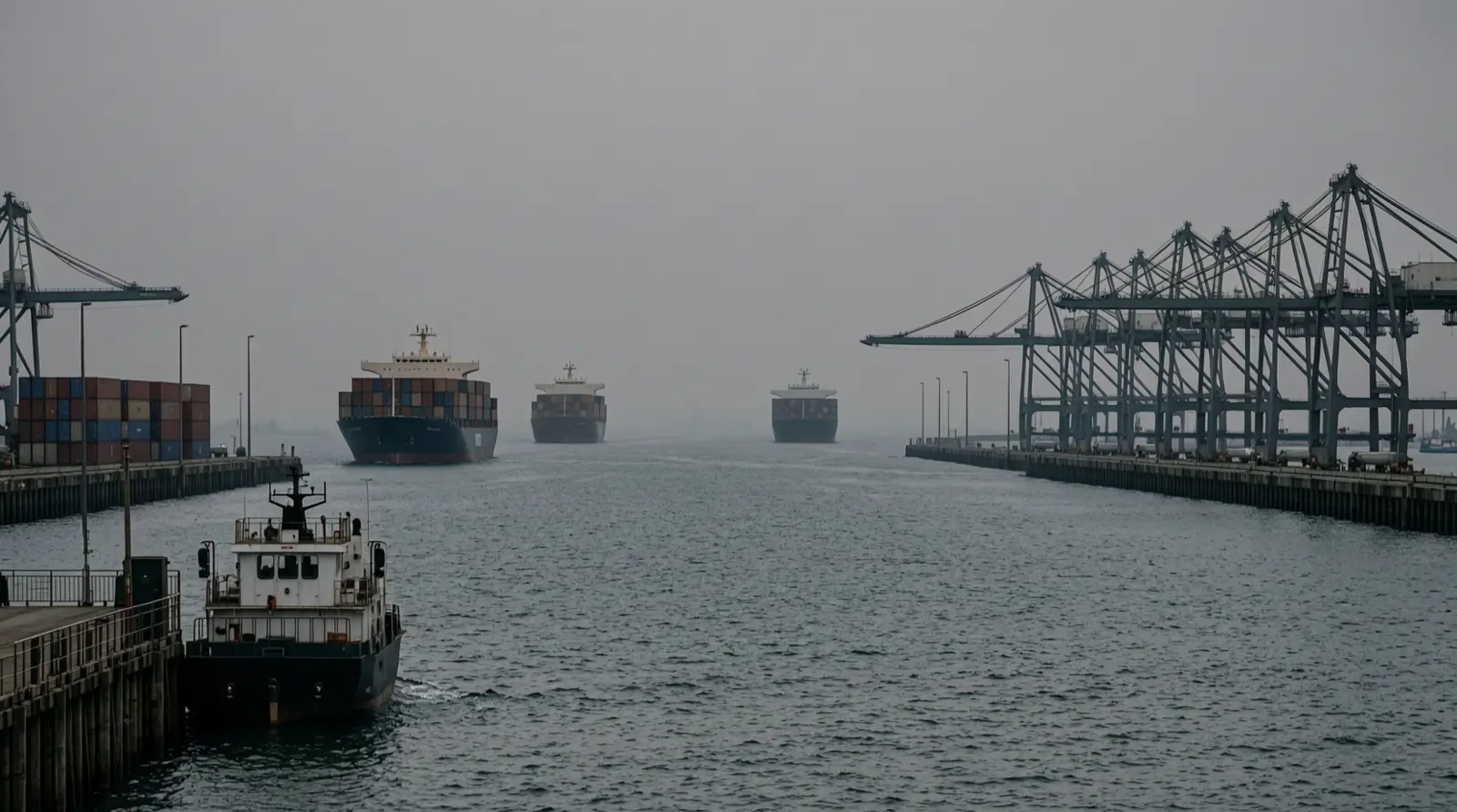
Iranian accounts say two tankers caught fire after hitting mines in the Strait of Hormuz, while the IRGC alleges unauthorised routing and says each carried about two million barrels. Other reports put fires on three tankers, leaving the number and cause of incidents unresolved. The discrepancy matters because insurers and charterers price uncertainty in the corridor quickly.
Two million barrels, twice, and a fire count that does not reconcile. Iran said two tankers caught fire after hitting mines in the Strait of Hormuz. The Islamic Revolutionary Guard Corps separately reported a second oil tanker explosion in the strait and said the tankers had used an unauthorised route. It also said each tanker was carrying about two million barrels of crude oil. Fires were reported on three tankers. Those accounts do not yet reconcile.
The difference between two damaged vessels and three burning ones is not a footnote. For charterers and insurers, the number of incidents changes the perceived density of risk in a waterway that carries Gulf crude, refined products and LNG. If two large tankers were disabled by mines, the immediate question is whether the hazard is fixed, drifting or continuing. If three fires are involved, the area looks less like a single accident and more like a pattern.
Insurers price uncertainty first
The market mechanism runs through war-risk cover before it runs through cargo claims. Underwriters assess the probability of a transit being hit, the cost of salvage, the chance of pollution liability and the likelihood of further attacks. When the cause is described as a mine, the risk is no longer a mechanical failure or a fire in an engine room. It becomes a security event, and security events are priced sharply.
The market mechanism runs through war-risk cover before it runs through cargo claims.
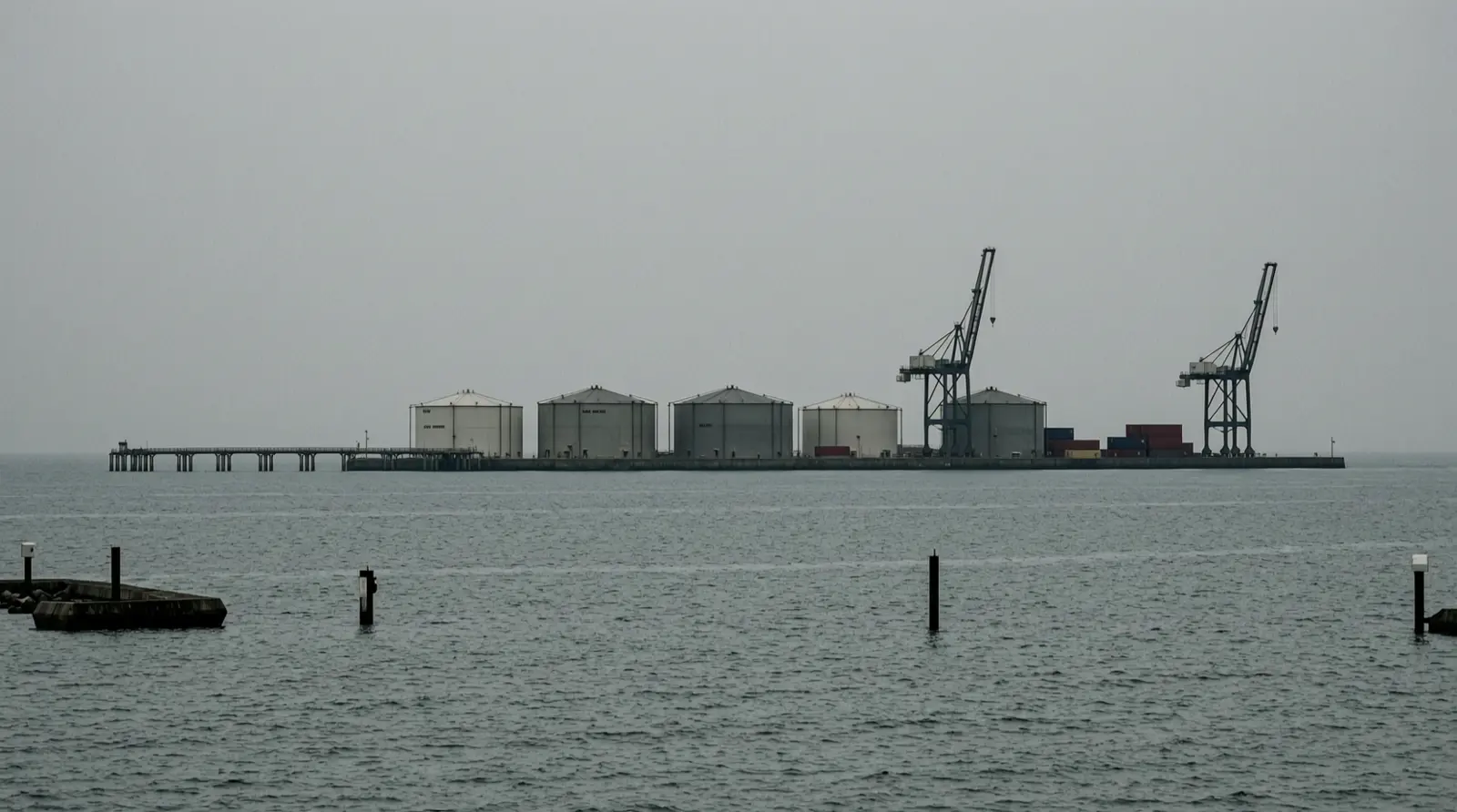
Even without independent confirmation, reports of mine strikes can push premia higher. Shipowners may demand higher freight to compensate crews and hulls. Charterers may ask for longer loading windows or alternative discharge routes. If the strait is perceived as hazardous, some operators may consider longer routes or holding patterns outside the Gulf, adding days and tying up tonnage.
The cargoes themselves magnify the effect. The IRGC said each of the tankers was carrying about two million barrels of crude. If both loads were lost or delayed, that would be about four million barrels in one episode. The figure matters not only as a volume, but as a signal: large crude carriers are not immune, and the risk sits at the loading end of the Gulf export system.
A route allegation with no neutral witness
The IRGC's statement that the tankers used an unauthorised route adds a second dispute. It suggests the vessels were outside an approved corridor, but it does not explain whether that alleged deviation caused the strikes, whether mines were laid in response to routing, or whether the fires had another origin. Iran said two tankers caught fire after hitting mines; the IRGC reported a second explosion; another account puts fires on three tankers.
No shipping operator, maritime authority or satellite assessment appears in these accounts. That absence matters. Confirmation would need to come from someone other than the parties making the allegations, and it would need to settle both the number of tankers and the cause of the fires.
For physical markets, the practical question is not who is believed first, but what happens next. If underwriters treat the reports as credible, Hormuz transits become more expensive. If they do not, the episode may fade. But the gap between two and three fires, and between an alleged mine strike and an unauthorised route, leaves enough uncertainty to keep risk managers cautious.
The thing to watch is whether any neutral party confirms the number of vessels, the cause of the fires or the status of the cargoes. Until then, the strait's risk premium is being set by competing accounts rather than by evidence.
- 01Iran said two tankers caught fire after hitting mines in the Strait of Hormuz.
- 02The IRGC reported a second oil tanker explosion and alleged unauthorised routing.
- 03The IRGC said each tanker was carrying about two million barrels of crude.
- 04Fires were reported on three tankers, creating a discrepancy in the number of vessels.
Interpretation, not reporting. The facts above carry their tiers; this is one correspondent’s reading of them.
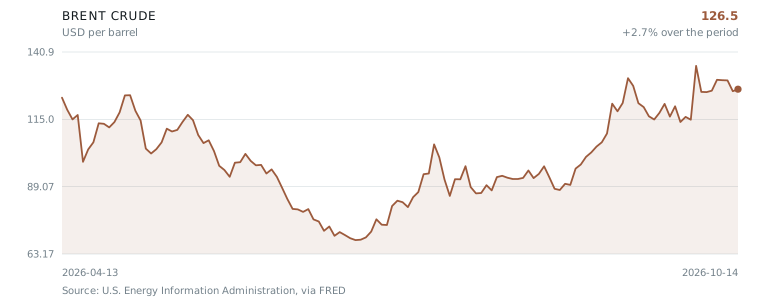
The unresolved arithmetic is the market signal. If Iran's account of two tankers hitting mines is right, the strait faces a security hazard; if the three-fire version is right, the hazard looks wider. Either way, the IRGC's routing allegation does not settle cause. I would treat the incident as unpriced until the number of fires and the cause of the fires line up. The two-million-barrel figures matter because they turn a routing dispute into a cargo question: even a delay to one such load affects physical balances. What would change my view is a consistent account: two tankers or three, mine or unauthorised route, and whether the crude is lost or delayed. Until then, the strongest fact is the gap itself.
— Tomás Ferreira
Every claim in this article, and what it rests on
We do not ask you to take our word for it. Each statement below carries its tier and its sources. Where sources disagree, you get both accounts and what would settle it.
Iran said two tankers caught fire after hitting mines in the Strait of Hormuz.
The IRGC said the tankers used an unauthorised route.
The IRGC said each of the tankers was carrying about two million barrels of crude oil.
The IRGC reported a second oil tanker explosion in the Strait of Hormuz.
The second oil tanker struck a mine in the Strait of Hormuz.
Fires were reported on three tankers.
The case against this story
Written by an adversarial reviewer, not the correspondent
The story is internally contradictory: one claim says Iran reported two tankers caught fire, while another says fires were reported on three tankers. One claim states as bare fact that 'the second oil tanker struck a mine' while every comparable claim is carefully attributed to the IRGC or Iran — dropping the attribution turns an allegation into an asserted fact. The IRGC is not a neutral observer; it has operational control over the Strait of Hormuz and a direct interest in attributing incidents to mines and 'unauthorised routing' by the tankers rather than to its own actions. The narrative conveniently blames the tankers for using an unauthorised route while presenting mine strikes as the cause, which deflects scrutiny of whether the IRGC itself placed those mines or otherwise caused the fires. No independent source — no shipping operator, no maritime authority, no satellite evidence — corroborates any element of the story.
Who benefits from this framing: The IRGC and the Iranian state benefit if readers accept this framing. By attributing the fires to mines and emphasising that the tankers used an 'unauthorised route,' the narrative shifts blame onto the tankers and away from any Iranian involvement. If readers believe the tankers were at fault for their routing and the fires were caused by mines, this reduces international pressure on Iran, legitimises the IRGC's enforcement role in the Strait, and undermines any case for external intervention or sanctions.
Report an error in this article
Subscriptions open at launch
Global Materials Review will be a paid publication. Reading is free while we build the archive — leave an address and we will write to you once, when subscriptions open.