
Oil's risk premium meets a $29 benchmark split
Iranian tanker threats and deeper Ukraine strikes are pushing energy risk into freight, crude spreads and U.S. inflation expectations.
 Tomás FerreiraEnergy, shipping and chokepoints
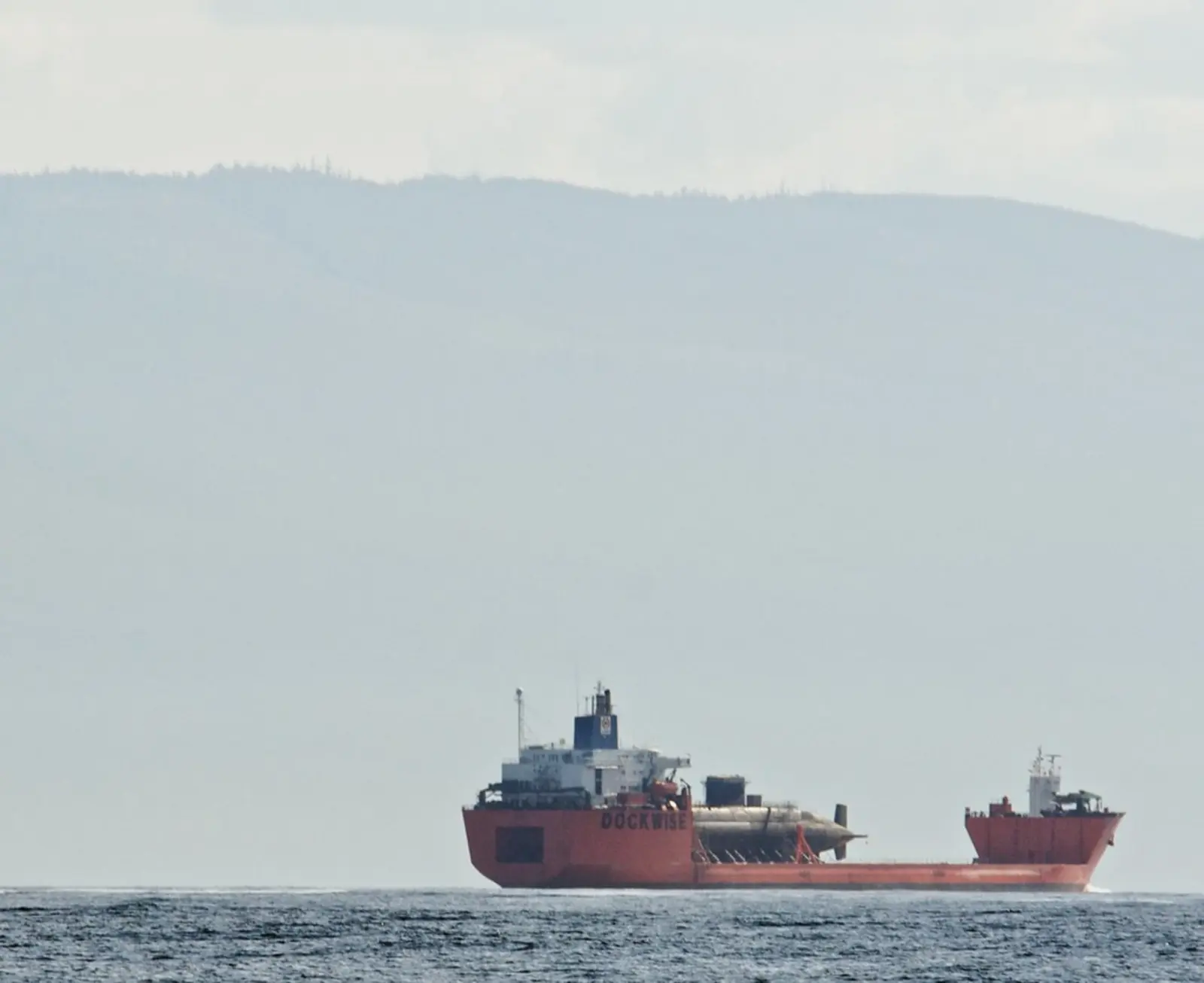
Brent and WTI's wide split makes the oil market's risk story harder to read. A Reuters report says Iran may intensify tanker strikes, while missile and drone attacks around Ukraine raise supply fears. Economists expect energy costs to lift September U.S. inflation.
On 6 October, Brent crude stood at $125.44 while West Texas Intermediate sat at $96.24, a $29.20 gap that turns a simple risk story into a pricing puzzle.
The same day, a Reuters report citing Iranian officials said Iran's forces planned to further intensify strikes on tankers. In Ukraine, Russian ballistic missiles struck Kyiv for a second consecutive day without advance warning, and at least six people were killed in overnight Russian attacks across the country. Ukrainian drones also struck the Saratov region more than 100km into Russian territory.
Together, these events point to two channels: one through maritime risk, the other through the war's widening geography. The first affects insurance, freight and the cost of moving crude. The second affects how traders judge the conflict's reach and duration. Neither channel needs a physical shortage to show up in prices first.
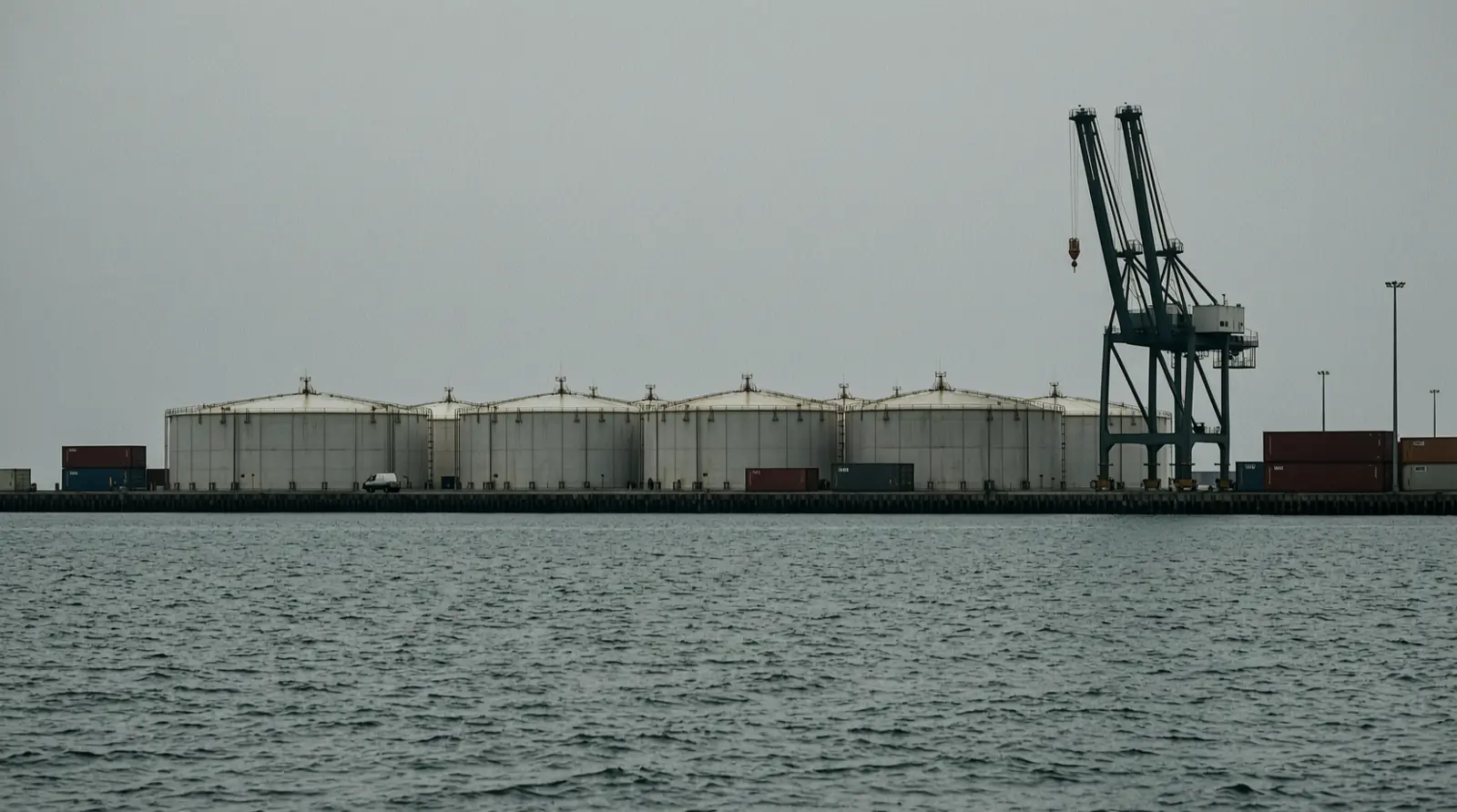
A $29 split tells two markets
The benchmark split is the load-bearing detail. Brent is the seaborne benchmark; WTI is the U.S. inland marker. When tanker risk rises, Brent normally carries more of the premium than WTI.
Rhetoric can move a screen quickly; physical disruption moves slower and leaves more evidence.
A $29.20 difference is not just a wide spread; it is a warning that the market may be pricing two different realities. One possibility is that Brent is reflecting a genuine threat to waterborne barrels while WTI is less exposed to seaborne risk. Another is that one price, or both, is being distorted by positioning, liquidity or data. Until the spread narrows or is confirmed by physical trades, the conflict premium is only partially tested.
This matters because crude is the transmission belt from war to inflation. If the oil price signal is unstable, the downstream story becomes harder to trust.
Tanker risk starts with insurance
An Iranian plan to strike tankers does not need a sunk hull to move markets. The first effects appear on paper: war-risk insurance premiums, charter rates and the willingness of owners to load in exposed waters. If underwriters demand more for a loading in exposed waters, charterers either pay, wait or route around. Each option adds days or dollars.
The tanker warning is also thinly sourced. Iranian officials told Reuters about planned intensification, but the market will need corroboration from shipping, insurance or naval activity before treating it as a structural change. Rhetoric can move a screen quickly; physical disruption moves slower and leaves more evidence.
If attacks do intensify, the sequence is familiar. Shipowners raise rates, insurers add surcharges, refiners bid for safer cargoes, and product margins widen. The result can appear in freight invoices within days, even if official trade data takes weeks to show the effect.
Inflation gets an energy line
Energy risk becomes macro when it reaches the consumer price index. A surge in energy costs is expected to drive overall U.S. consumer inflation higher, and economists polled by Reuters expected September U.S. consumer inflation to be 0.6% on a monthly basis.
That monthly figure is the number to watch because it translates barrel prices into household costs. Higher crude can lift petrol, diesel and heating costs, and those items move quickly through budgets. If the energy component stays elevated, the inflation story broadens from a commodity trade to a policy problem.
The open question is whether physical markets confirm the risk. The missiles over Kyiv, the drone strike in Saratov and the tanker warning all raise the temperature, but the price system still needs evidence. Watch war-risk premiums, freight invoices and the Brent-WTI gap.
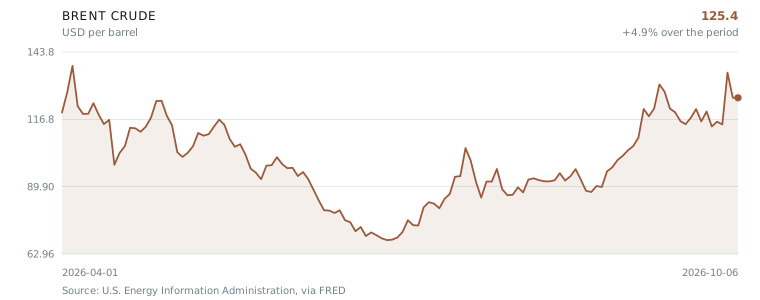
- 01Brent crude was $125.44 on 6 October, while WTI was $96.24.
- 02Iranian officials told Reuters Iran planned to intensify strikes on tankers.
- 03Russian ballistic missiles struck Kyiv for a second consecutive day without advance warning.
- 04At least six people were killed in overnight Russian attacks across Ukraine.
- 05Economists polled by Reuters expected September U.S. consumer inflation to be 0.6% monthly.
Interpretation, not reporting. The facts above carry their tiers; this is one correspondent’s reading of them.
The credible part of this story is not the headline risk but the price split. I can accept that tanker threats and deeper strikes raise premiums, but Brent at $125.44 against WTI at $96.24 is too large to treat as a clean war premium without corroboration. If the Iran warning were truly transformative, I would expect insurance markets and freight rates to confirm it before the consumer inflation story becomes firm. The Reuters economists’ 0.6% monthly expectation already gives energy a macro role; the missing piece is physical confirmation. I would watch whether the Brent-WTI gap persists, whether tanker insurance rises and whether the Saratov and Kyiv strikes become part of a sustained pattern rather than isolated reports. If the spread narrows and freight stays calm, I would downgrade the escalation narrative. If insurers and shipowners start charging for risk, the inflation channel becomes harder to dismiss.
— Tomás Ferreira
Every claim in this article, and what it rests on
We do not ask you to take our word for it. Each statement below carries its tier and its sources. Where sources disagree, you get both accounts and what would settle it.
Brent crude was $125.44 on 2026-10-06.
WTI crude was $96.24 on 2026-10-06.
Russian ballistic missiles struck Kyiv for a second consecutive day without advance warning.
At least six people were killed in overnight Russian attacks across Ukraine.
Ukrainian drones struck the Saratov region more than 100km into Russian territory.
Iranian officials told Reuters Iran's forces planned to further intensify strikes on tankers.
A surge in energy costs is expected to drive overall U.S. consumer inflation higher.
Economists polled by Reuters expected September U.S. consumer inflation to be 0.6% on a monthly basis.
The case against this story
Written by an adversarial reviewer, not the correspondent
The story assembles a chain of escalating crises—missiles on Kyiv, Ukrainian drones deep inside Russia, Iran planning to intensify tanker attacks, oil at $125, and U.S. inflation surging to 0.6% monthly—implying a single coherent arc of global destabilisation. But the load-bearing data point, the oil price, is internally contradictory: Brent at $125.44 and WTI at $96.24 produce a ~$29 spread that is historically unprecedented and unexplained anywhere in the story. If one or both prices are wrong, the causal link from conflict to energy costs to consumer inflation collapses. The Iran tanker claim rests on a single unnamed-source Reuters report with no corroboration. The Kyiv and Saratov claims are routine war-reporting that may or may not represent escalation beyond an established baseline. Strip away the questionable oil figures and the single-sourced Iran claim, and what remains is a set of individually modest events presented as a cascading crisis.
Who benefits from this framing: Defence hawks and the military-industrial lobby benefit from a reader who accepts a framing of compounding, multi-front global threats—it justifies higher military spending and more aggressive posture toward both Russia and Iran. Energy producers benefit from any narrative that normalises or reinforces expectations of $125 oil. Monetary-policy hawks benefit from an inflation narrative driven by geopolitical supply shocks, which can be used to justify tighter policy. And any party seeking to build domestic political support for escalation or sanctions benefits from a reader who sees a seamless chain from missile strikes to pump prices to their own cost of living.
Report an error in this article
Subscriptions open at launch
Global Materials Review will be a paid publication. Reading is free while we build the archive — leave an address and we will write to you once, when subscriptions open.