
Gulf supply risk builds as Hormuz attacks meet new crude flows
Tanker insurance, freight rates and crude differentials can reprice quickly when the strait's traffic is threatened.
 Tomás FerreiraEnergy, shipping and chokepoints
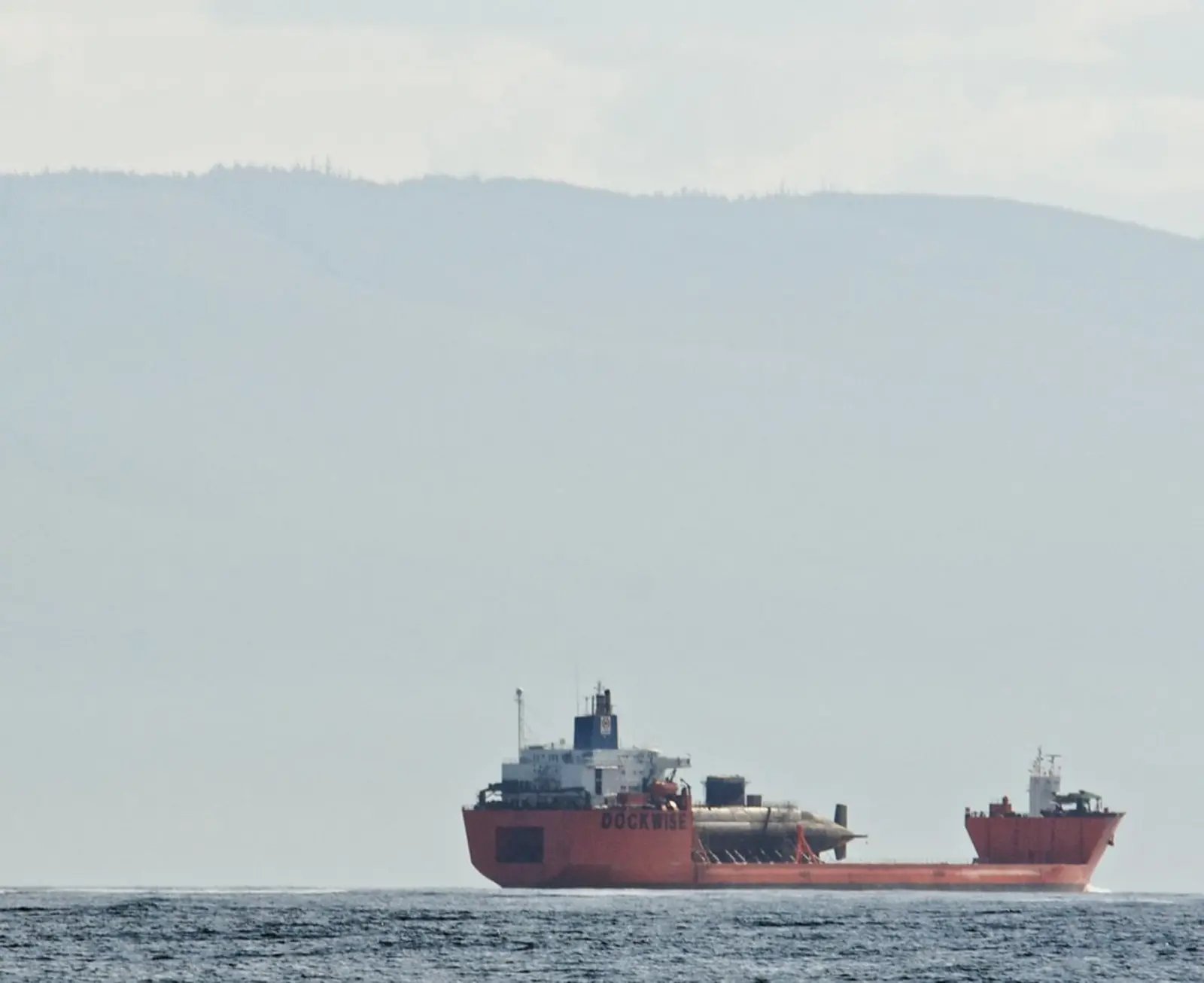
Reports of attacks on ships in the Strait of Hormuz and a Houthi missile interception have revived Gulf shipping risk. At the same time, Oman's LNG position in India and Saudi Aramco's China refinery start-up preparations show flows adjusting rather than stopping. Brent and WTI were nearly $30 apart on 6 October.
On 6 October, Brent crude was $125.44 and WTI crude was $96.24. The two benchmarks were nearly $30 apart, a gap that already rewards shippers who can move Atlantic basin barrels toward Asia and punishes routes that add days, war-risk insurance or both.
The Strait of Hormuz sits at the centre of that arithmetic. Reports describe the current run of attacks on ships in the waterway as the worst since the start of the war, though that phrase arrives without an incident count or a defined baseline. If underwriters treat the corridor as more dangerous, the cost lands first on tanker rates and hull cover, then on delivered crude and LNG prices.
A separate report says oil flows through the strait have crashed again. No volume or percentage is attached, so the useful question is not whether traffic has stopped, but whether cargoes are being delayed, rerouted or priced with extra risk.
The strait is the pressure point
The geography is unforgiving. Hormuz is a narrow gate for Gulf crude and LNG, and any attack there raises the cost of the whole chain before a single cargo is lost. The Saudi-led coalition is reported to have intercepted a Houthi missile launched towards Riyadh, a reminder that the threat extends beyond the water itself to the infrastructure and population centres that anchor Gulf supply.
Together, they raise the cost of being wrong about the route.
Saudi Arabia's East-West oil pipeline was struck by drones last month, according to reports, in an attack said to have originated in Iraq. That attribution is not settled, but the route matters: a hit on that bypass reduces the spare path available when the sea lane is under pressure.
Iraq's prime minister has told Saudi Arabia's crown prince that Iraqi territory would not be used for attacks, per reports. Whether that assurance holds is a security question, but for the market it is a signal that Baghdad wants to keep Gulf export routes and Saudi infrastructure out of the crossfire.
Flows are moving, not vanishing
The commercial side is not standing still. Saudi Aramco's newest joint venture refinery in China is reported to have received its first cargo of Saudi crude as it prepares for start-up. That is a long-haul cargo, and it ties Gulf supply more tightly to Asian demand even as the security picture worsens.
Oman is also said to have overtaken the United States as India's top LNG supplier in September. If accurate, that shift puts more Indian gas demand on Gulf waters and less on distant suppliers. For a buyer in India, an Omani cargo may be shorter than one from the United States, but it is also closer to the same chokepoint risk.
These movements do not prove a supply crisis. They show that trade is adapting: crude is moving into new refineries, LNG is finding nearby suppliers, and Saudi Arabia is trying to keep its export options open. The risk is not that everything stops; it is that the margin for error gets thinner.
What the market can price now
Energy markets price risk before it appears in official statistics. Freight desks can lift war-risk premia within days, and insurers can reprice hull cover even faster. If Hormuz attacks continue and the East-West pipeline remains a target, the discount on Gulf crudes could widen, or buyers could pay more for non-Gulf barrels.
The missing piece is volume. Without a clear count of attacks or a measured drop in flows, it is hard to know whether the market should price a temporary spike or a structural rerouting. The next signal will likely come from tanker rates, insurance quotes and cargo differentials, not from statements alone.
For now, the physical picture is mixed: a reported attack surge, a missile interception, a new refinery cargo and a shift in LNG supply. Each is reported, but none alone closes the strait. Together, they raise the cost of being wrong about the route.
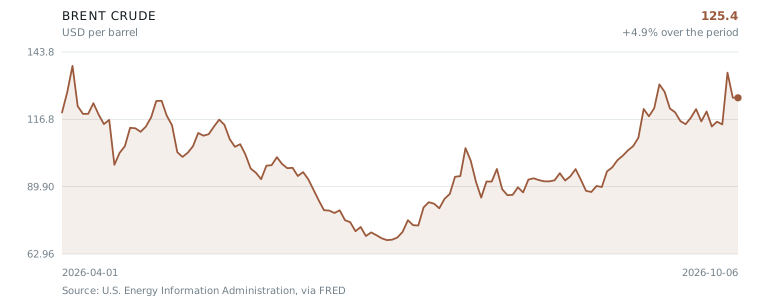
- 01Brent was $125.44 and WTI was $96.24 on 6 October.
- 02Reports describe attacks on ships in the Strait of Hormuz as the worst since the start of the war.
- 03The Saudi-led coalition reportedly intercepted a Houthi missile launched towards Riyadh.
- 04Saudi Aramco's new China joint venture refinery has reportedly received its first Saudi crude cargo.
- 05Oman is reported to have overtaken the United States as India's top LNG supplier in September.
Interpretation, not reporting. The facts above carry their tiers; this is one correspondent’s reading of them.
The market is being asked to price a chokepoint before the chokepoint has closed. I would treat the reported Hormuz attacks, the Houthi missile interception and the drone strike on the East-West pipeline as risk optionality, not proof of lost barrels. The commercial movements point the other way: Saudi crude reaching a new China refinery, Oman supplying India with LNG and Iraq telling Saudi Arabia its territory will not be used for attacks. If the near-$30 gap between Brent and WTI holds while the reported attacks persist, I would read this as rerouting rather than rupture. If the reported attacks keep coming and the pipeline bypass is treated as vulnerable, the risk premia should build. What would change my mind is not another statement, but a visible change in the physical route: fewer cargoes, longer detours or a clear shift away from the strait.
— Tomás Ferreira
Every claim in this article, and what it rests on
We do not ask you to take our word for it. Each statement below carries its tier and its sources. Where sources disagree, you get both accounts and what would settle it.
Brent crude was $125.44 and WTI crude was $96.24 on 2026-10-06.
Ships in the Strait of Hormuz are experiencing the worst spate of attacks since the start of the war.
Oil flows through the Strait of Hormuz have crashed again.
The Saudi-led coalition intercepted a Houthi missile launched towards Riyadh.
Iraq’s prime minister told Saudi Arabia’s crown prince that Iraqi territory would not be used for attacks.
Saudi Arabia's East-West oil pipeline was struck by drones last month in an attack that originated in Iraq.
Saudi Aramco’s newest joint venture refinery in China has received its first cargo of Saudi crude as it prepares for start-up.
Oman overtook the United States as India's top LNG supplier in September.
The case against this story
Written by an adversarial reviewer, not the correspondent
The story strings together loosely related claims to paint a crisis picture, but the individual components are weak. 'Worst spate of attacks since the start of the war' is an undefined superlative—no incident count, no defined war, no baseline. 'Oil flows crashed again' gives no volumes, percentages, or comparison period. The claim that a drone strike 'originated in Iraq' is a strong intelligence attribution at low confidence. The claim that Oman overtook the US as India's top LNG supplier requires trade data not cited. The one high-confidence claim—exact oil prices for a specific date—provides precise figures without a named market source. Meanwhile, the diplomatic and commercial claims (Iraq-Saudi dialogue, Aramco's China refinery start-up, Oman's LNG trade) could just as easily support a de-escalation or business-as-usual reading. The crisis framing depends on connecting dots that may not connect.
Who benefits from this framing: Oil producers and oil futures traders benefit from a crisis narrative that supports higher prices and volatility. Defense contractors and advocates of military intervention in the Middle East benefit from a framing of escalating attacks and threats to shipping. Actors seeking to justify increased naval militarization of the Strait of Hormuz benefit from claims of a 'worst spate of attacks.' States or factions seeking to portray Iraq as a launchpad for attacks on Saudi Arabia benefit from the attribution of drone strikes to Iraqi territory.
Report an error in this article
Subscriptions open at launch
Global Materials Review will be a paid publication. Reading is free while we build the archive — leave an address and we will write to you once, when subscriptions open.