
A diesel rumour meets a $29 crude spread
If Russian diesel really reaches US ports, the path of refined products and sanctions enforcement becomes a physical question, not a headline.
 Tomás FerreiraEnergy, shipping and chokepoints

Foreign media reports say Trump has allowed Russian diesel into the US and that cargoes are already moving. The only hard numbers in the available reports are crude prices: Brent at $125.44 and WTI at $96.24 on 6 October, a wide spread. Until a US primary confirmation or a vessel trail appears, the market should treat the deal as an unverified flow.
On 6 October, Brent stood at $125.44 and WTI at $96.24, leaving a $29.20 gap between the two crude benchmarks. That spread is the only hard number in the current reports. Around it swirls a much softer story: that Russian diesel is moving toward the United States despite sanctions.
Oneindia reports that Trump announced a diesel deal with Putin and said prices would come down fast. SRF reports that Russia is delivering diesel to the United States despite sanctions and that Trump has allowed Russian diesel imports. These are not small assertions. They imply a change in enforcement, a route for sanctioned fuel, and a buyer-seller chain that would normally leave paper.
This is where the physical test begins. A diesel cargo is not a statement; it is a vessel, insurance, port clearance and a buyer willing to take delivery. If Russian diesel is truly discharging in the US, someone will soon be able to count the barrels.
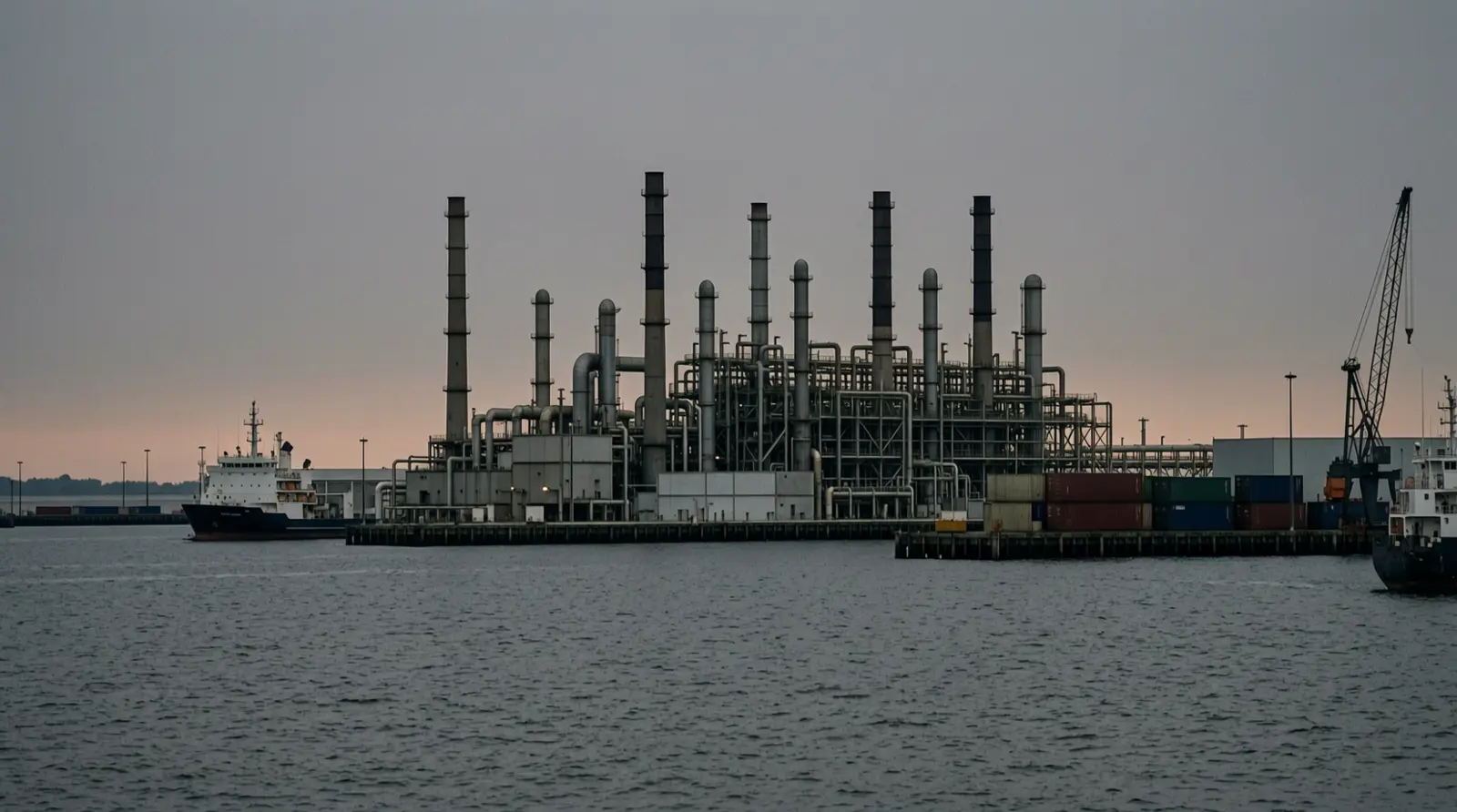
A story that needs a ship attached
The reports come from outlets with different vantage points and different incentives. Oneindia carries the announcement. SRF supplies the assertion that deliveries are happening. RIA reports that a Putin-Trump decision caused a strong reaction in Germany. UNIAN reports that the diesel deal will not benefit Trump but Putin has already obtained what he wanted.
A diesel cargo is not a statement; it is a vessel, insurance, port clearance and a buyer willing to take delivery.
The oddity is not that these accounts disagree. It is that they meet around the same centre: Putin, the deal and a reaction in Germany. Convergence between different outlets does not prove the story. It makes the need for physical evidence sharper.
For a physical market, the burden of proof is spatial. Where would the diesel load? Which sea lane would it take? How many days would it spend in transit? Who would insure it? Which port would receive it? If those answers remain blank, the story is still a rumour with a price tag.
The spread is the first hard clue
The crude numbers matter because they frame the economics. Brent at $125.44 and WTI at $96.24 are not just two prices; the $29.20 gap changes the incentive to move barrels between markets. A wide gap can make long-distance cargoes more attractive, if the fuel can be delivered and cleared.
If Russian diesel reaches the US, it would add refined supply to a market already shaped by that crude differential. More diesel can pull product prices down, compress refining margins and alter the arbitrage between Europe and the US. The effect would not wait for a political announcement; it would show up in barges, pipelines and storage first.
That is why the promise that prices would come down fast is both the most political and the most testable part of the story. Fast price moves leave tracks in futures, physical premiums and freight. If the tracks are absent, the promise is not yet a market event.
Watch the barrels, not the echo
The strongest confirmation would be mundane. A vessel name. A port call. A customs or license record. A change in insurance premia or freight rates on a route that suddenly makes sense. Those are the signals that turn a foreign-media report into a flow.
Until then, the story sits in an uncomfortable place. It is big enough to matter if true, but sourced through reports rather than through a US primary confirmation. The market should not treat it as diesel on the water. It should treat it as a watchlist: price spread, product flows, enforcement language and any sign of a hull where the story says one should be.
The open question is simple: will a cargo appear, or will the deal remain a headline with no discharge port?
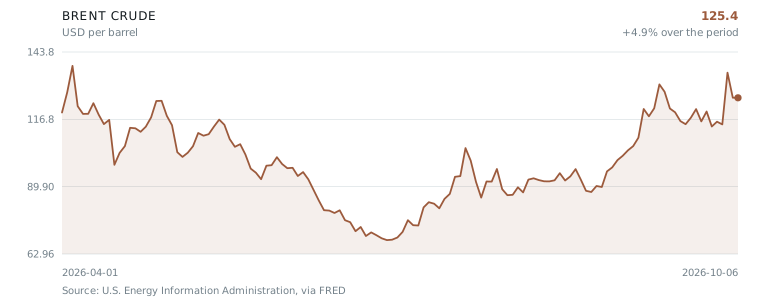
- 01Brent crude was $125.44 on 6 October.
- 02WTI crude was $96.24 on 6 October.
- 03Oneindia reports Trump announced a diesel deal with Putin and said prices would come down fast.
- 04SRF reports Russia is delivering diesel to the US despite sanctions and that Trump has allowed imports.
- 05RIA reports a strong reaction in Germany, while UNIAN says Putin has obtained what he wanted.
Interpretation, not reporting. The facts above carry their tiers; this is one correspondent’s reading of them.
The physical story is not yet a story. What exists is a set of reports and two crude prices: Brent at $125.44 and WTI at $96.24 on 6 October. I would not treat those reports as diesel on the water until a vessel, a port or a freight signal appears. The wide Brent-WTI spread makes the rumour economically interesting, because it changes the incentives for moving fuel between markets. But the burden of proof is spatial. If Russian diesel is really entering the US, it should create a trail of insurance, port calls and product flows. If it does not, the narrative remains political noise. The way RIA and UNIAN both put Putin at the centre makes me more cautious, not less. The next credible signal will be boring: a cargo that can be counted.
— Tomás Ferreira
Every claim in this article, and what it rests on
We do not ask you to take our word for it. Each statement below carries its tier and its sources. Where sources disagree, you get both accounts and what would settle it.
Brent crude was 125.44 on 2026-10-06.
WTI crude was 96.24 on 2026-10-06.
Oneindia reports that Trump announced a diesel deal with Putin.
Oneindia reports that Trump said prices would come down fast.
SRF reports that Russia is delivering diesel to the United States despite sanctions.
SRF reports that Trump has allowed Russian diesel imports.
RIA reports that a Putin-Trump decision caused a strong reaction in Germany.
UNIAN reports that the diesel deal will not benefit Trump but Putin has already obtained what he wanted.
The case against this story
Written by an adversarial reviewer, not the correspondent
The entire story rests on foreign media sources with competing national biases and zero US primary sources. Russian state media (RIA) and Ukrainian media (UNIAN) have directly opposing propaganda interests, yet both frame the diesel deal as benefiting Putin — a suspicious convergence that suggests the narrative serves propaganda purposes on multiple sides simultaneously. No White House statement, Treasury Department ruling, or Commerce Department document confirms any policy change allowing Russian diesel imports. The claim that Russia is delivering diesel to the US despite sanctions would be a major sanctions-busting story requiring primary evidence, not just Swiss broadcaster reporting. The Brent crude price of $125.44 versus WTI at $96.24 produces a $29.20 spread — historically unprecedented and suggesting possible data errors. The 'strong reaction in Germany' reported by Russian state media is vague and unverifiable. Oneindia, an Indian news aggregator, is the sole source for Trump's own announcement of the deal, with no US outlet corroborating. The narrative conveniently serves multiple propaganda interests at once: making Trump appear subservient to Putin while generating sensational clickbait about a secret diesel deal.
Who benefits from this framing: Russian state interests benefit from the perception that Putin has leverage over Trump and can bypass Western sanctions. Anti-Trump political forces benefit from the portrayal of Trump making deals with Putin against US interests. Ukrainian interests benefit from framing any Trump-Putin engagement as inherently pro-Russian. Media outlets benefit from sensational Trump-Putin stories that generate clicks and engagement. Oil market speculators might benefit from the perception of sustained high crude prices. The convergence of Russian and Ukrainian media both framing the deal as benefiting Putin — despite their otherwise opposing biases — strongly suggests the narrative serves propaganda purposes on multiple sides simultaneously.
Report an error in this article
Subscriptions open at launch
Global Materials Review will be a paid publication. Reading is free while we build the archive — leave an address and we will write to you once, when subscriptions open.