
Hormuz tanker risk shifts to insurers and transit rules
A disputed mine strike and a single-sourced transit-rule allegation can turn a tanker casualty into detention, insurance and freight-compliance risk.
 Tomás FerreiraEnergy, shipping and chokepoints
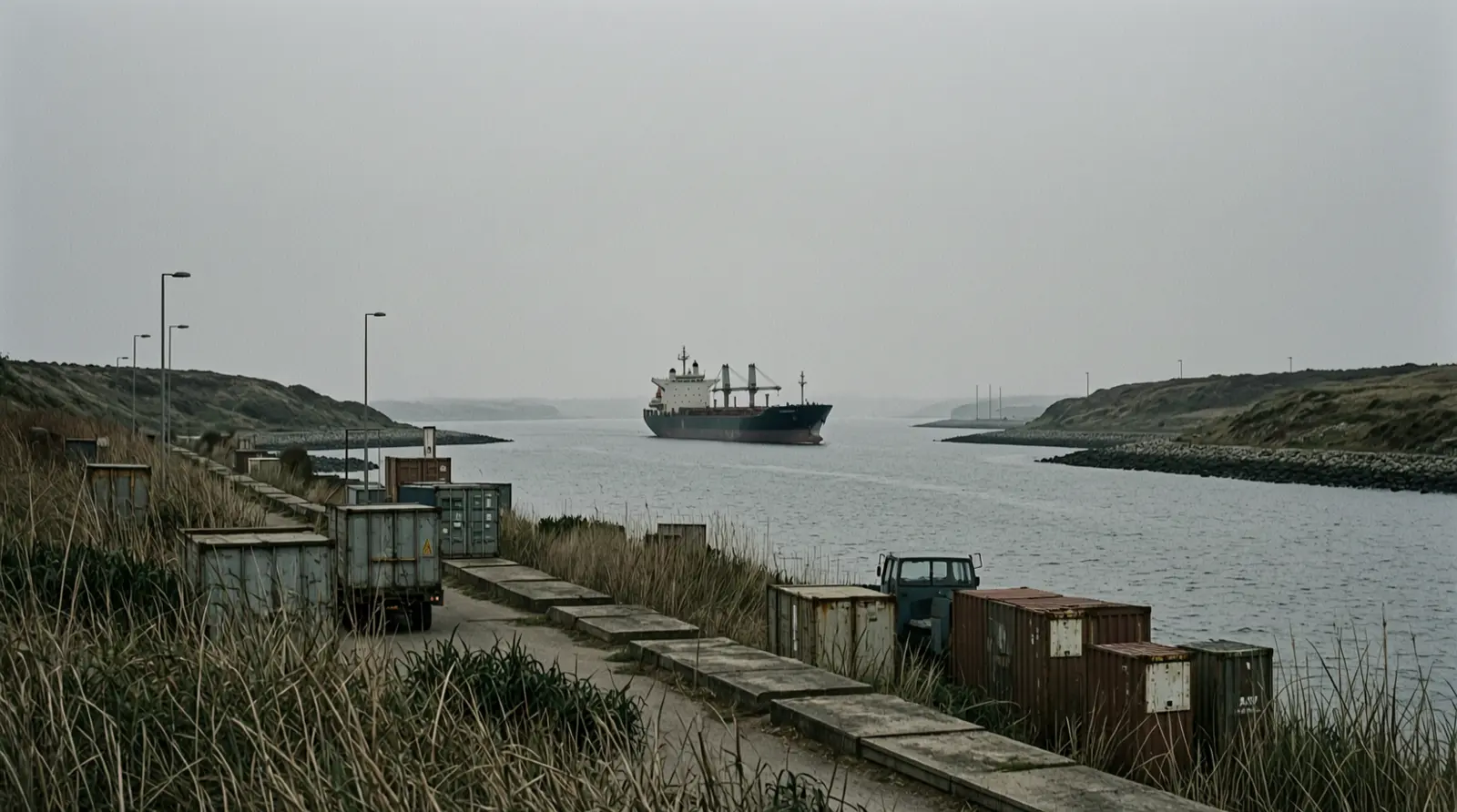
Iranian authorities, including the IRGC, said an oil tanker struck a mine in the Strait of Hormuz, while an Iranian statement placed the strike south of the strait. The commercial risk runs through insurance, detention and compliance rather than through the fire alone. Brent and WTI price prints on 14 October do not by themselves link the market to this incident.
Brent was $126.55 on 14 October, but the more fragile number in the Hormuz tanker story is the position of an alleged mine. Iranian authorities, including the IRGC, said an oil tanker struck a mine in the Strait of Hormuz. An Iranian statement also said the tanker was hit by a mine south of the strait. Those are not the same coordinates, and for a mariner, insurer or charterer, the difference between 'in the Strait' and 'south of the Strait' is the difference between a confined chokepoint and a wider approach area.
A mine strike asserted, not shown
The reported mine strike is said to have caused the tanker to catch fire. That causation is asserted, not demonstrated by the available statements. A fire can start after a blast, from a blast, or from a separate failure; the sequence matters for hull, cargo and war-risk treatment. For now, the physical event is a burning tanker, while the cause is an official Iranian account; the mine-related statements are Iranian.
The location discrepancy is not a minor editing issue. If a mine is in the transit corridor, underwriters, naval escorts and ship operators must reassess the whole fairway. If the damage occurred south of the strait, the exposure spreads across approach routes used by laden crude tankers waiting for traffic windows, pilots or berth slots. Either way, the vessel's days are likely to be consumed by surveys before it can load again.
A tanker fire is a vessel-level loss; a mine allegation in the Strait of Hormuz is a corridor-level risk.
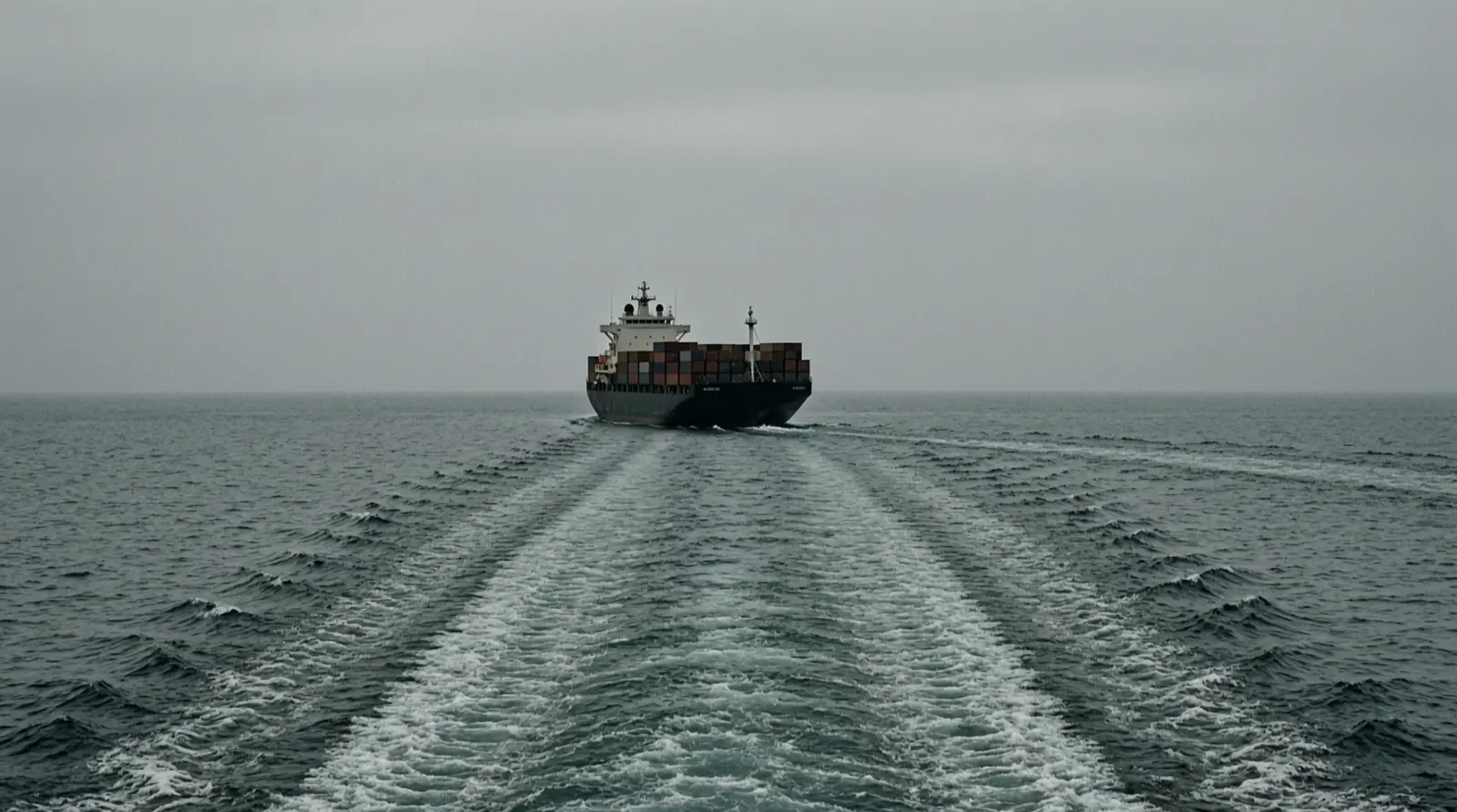
Transit rules turn damage into compliance risk
One report said the tanker had violated transit rules before it was damaged by a mine in the Strait of Hormuz. That allegation is single-sourced and uncorroborated, but it changes the commercial question if it survives scrutiny. A mine strike is a war-risk and safety problem; an alleged breach of transit rules is also a detention, inspection and charterparty problem.
For a vessel operator, the mechanism is direct. If a coastal authority alleges a rule breach, the ship may face inspection, evidence collection and delays while the flag state, class society and insurers exchange documents. The cargo may be intact or damaged, but the vessel can still lose days. In a strait where transit windows are tight and traffic is dense, a few days of detention can ripple through berth schedules, demurrage and onward loading programmes.
The insurance effect works through conditions as much as premia. War-risk cover can be questioned if a vessel is found to have ignored local rules, while hull and machinery cover can be complicated by disputed causation. The result is not simply a higher rate; it is a thicker file of notices, warranties and route approvals before an owner commits a hull to the fairway.
Crude prints do not settle causation
Brent at $126.55 and WTI at $101.91 on 14 October are hard numbers, but they do not by themselves prove that the tanker incident moved the market. Brent was above WTI on those prints, a reminder that the benchmarks carry transport, quality and regional risk in different proportions. A single day's price can reflect supply, demand, sanctions, inventories, macro flows or simple positioning.
For physical-market participants, the useful distinction is between the event and the route. A tanker fire is a vessel-level loss; a mine allegation in the Strait of Hormuz is a corridor-level risk. The first affects one hull and one cargo; the second can alter insurance terms, routing choices and transit behaviour for many ships at once. That is why the story's commercial weight depends less on the initial statement than on whether the account is accepted by underwriters, port states and charterers.
The open question is not whether the strait is important; it is whether this incident becomes a precedent for enforcement. If the transit-rule allegation is pursued, the risk moves from damage repair to documentation, detention and compliance. If it fades, the mine narrative still leaves insurers needing a location, a cause and a liability chain. Until one of those files closes, the tanker remains a floating question mark.
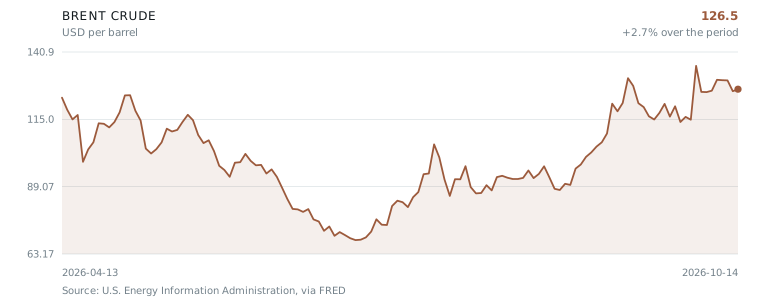
- 01Brent was $126.55 and WTI was $101.91 on 14 October.
- 02Iranian authorities, including the IRGC, said an oil tanker struck a mine in the Strait of Hormuz.
- 03An Iranian statement said the tanker was hit by a mine south of the Strait of Hormuz.
- 04One report alleged the tanker had violated transit rules before it was damaged.
- 05The reported mine strike is said to have caused the tanker to catch fire.
Interpretation, not reporting. The facts above carry their tiers; this is one correspondent’s reading of them.
The commercial centre of gravity in this incident is not the blast; it is the file that follows. I would treat the mine account as an Iranian official version until a hull survey, insurer or independent maritime authority fixes the location and cause. The transit-rule allegation is the more dangerous detail for operators, because it converts a casualty into a compliance event. If port-state inspectors and war-risk underwriters take it seriously, owners face inspections, delays and document disputes, not just repair bills. If they do not, the incident still raises the cost of ambiguity: one statement says in the strait, another says south of it, and a fire is attributed to a mine without a public chain of evidence. The price prints are too blunt to resolve that. Brent at $126.55 and WTI at $101.91 tell me crude was expensive on 14 October; they do not tell me why. My test is simple: watch whether insurers alter terms for Hormuz transits and whether any vessel is detained over the alleged rule breach.
— Tomás Ferreira
Every claim in this article, and what it rests on
We do not ask you to take our word for it. Each statement below carries its tier and its sources. Where sources disagree, you get both accounts and what would settle it.
Brent crude was $126.55 on 2026-10-14.
WTI crude was $101.91 on 2026-10-14.
Iranian authorities, including the IRGC, said an oil tanker struck a mine in the Strait of Hormuz.
The reported mine strike caused the tanker to catch fire.
One report said the tanker had violated transit rules before it was damaged by a mine in the Strait of Hormuz.
An Iranian statement said the tanker was hit by a mine south of the Strait of Hormuz.
The case against this story
Written by an adversarial reviewer, not the correspondent
The entire mine-strike narrative rests on Iranian sources—Iranian authorities, the IRGC, and an Iranian statement—parties with an obvious interest in controlling the story around a shipping incident in waters they patrol. The claims do not internally agree on where the strike happened: one says 'in the Strait of Hormuz,' another says 'south of the Strait.' The transit-violation allegation, which would conveniently justify Iranian enforcement action, is attributed to a single report with no corroboration. The fire is said to have been 'caused' by the mine, but causation is asserted, not demonstrated—fire could have preceded the reported strike, or stemmed from a separate event. The oil-price figures, even if accurate, are presented in a way that implies the market reacted to this specific incident, yet no evidence links the price level to the tanker event rather than to any of the dozens of other factors that move crude. A reader is being handed a tidy chain—Iran reports a mine, a tanker burns, oil spikes—held together by attribution to the party with the most to gain from that exact story line.
Who benefits from this framing: Iranian authorities and the IRGC benefit most directly: the framing that a tanker violated transit rules and then struck a mine justifies tighter Iranian control over the Strait and shifts blame onto the vessel. Oil-market speculators and holders of long crude positions benefit from any narrative that amplifies supply-disruption fear. Hawks advocating military or economic escalation against Iran benefit from a story in which Iran is mining international shipping lanes. Finally, any party that profitably shorts shipping insurance or tanker equities benefits from a panic incident in the world's most important oil chokepoint.
Report an error in this article
Read everything for 14 days, free
All three titles in full, the full daily brief, and an alert when a claim about something you follow changes. No card, and it ends by itself.