
Trump defends Russian diesel deal as price-relief doubts grow
Political and legal disputes over Russian diesel could shape product flows, sanctions enforcement and fuel costs.
 Tomás FerreiraEnergy, shipping and chokepoints
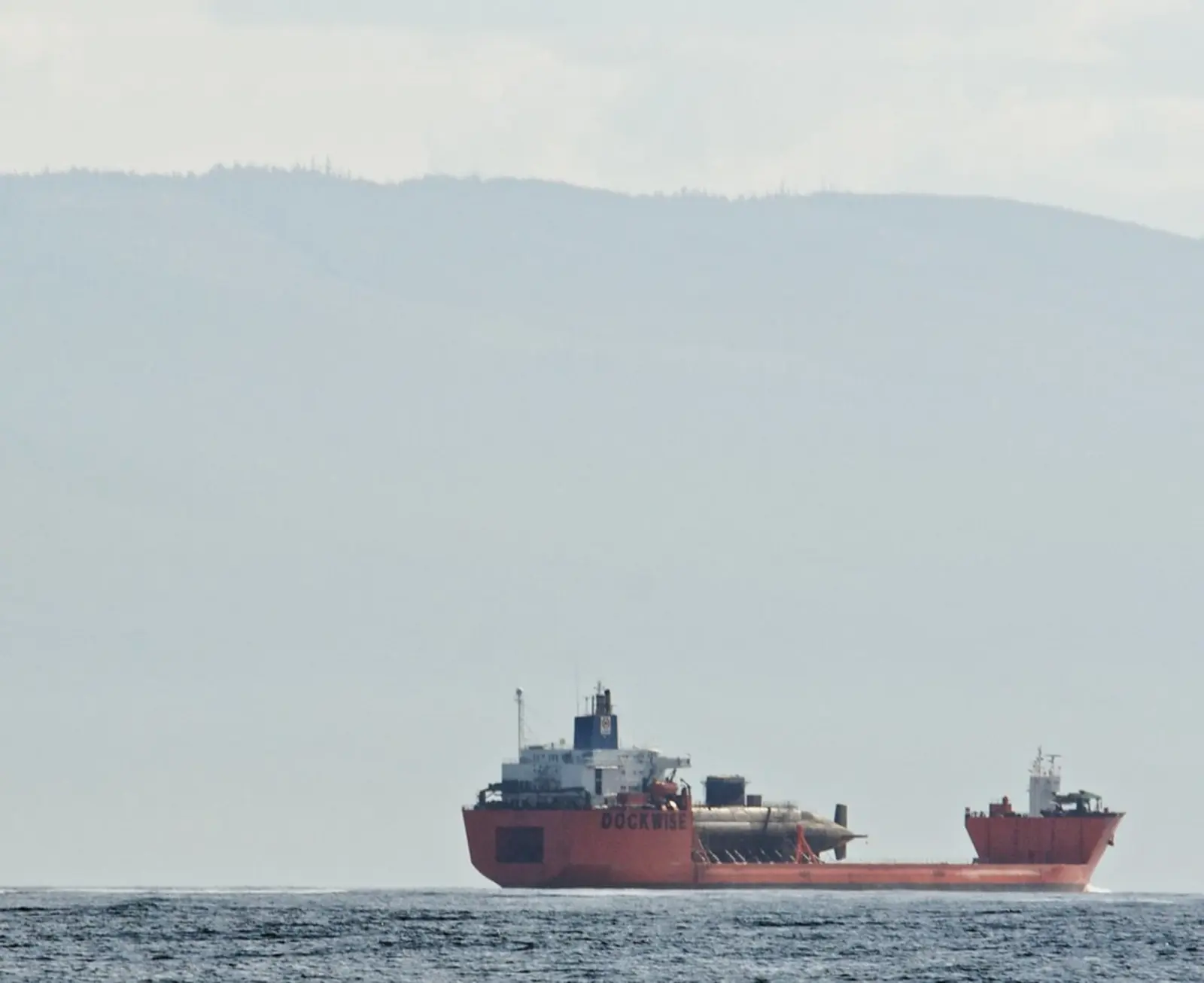
President Trump defended a decision to allow Russian diesel as criticism emerged from European officials, Ukrainian officials and some Republican allies. Critics question whether the deal can reduce prices and raise legal concerns over its implementation. Elevated Brent and WTI prices, with a wide spread, show how strained fuel economics already are.
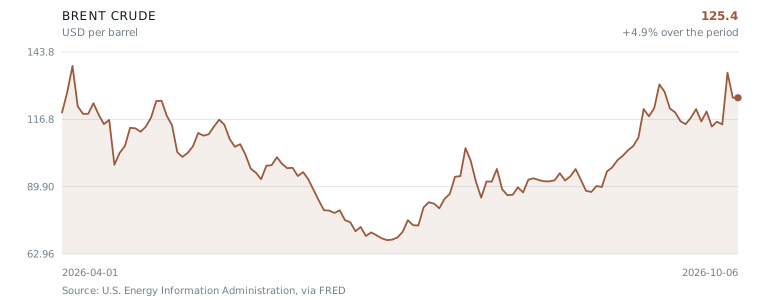
On 6 October, Brent crude stood at $125.44 a barrel, while West Texas Intermediate was at $96.24, a spread of $29.20 that already separates the economics of Atlantic basin refining from the US interior. Into that gap, President Donald Trump has stepped to defend a decision to allow Russian diesel, arguing that the move is needed to ease fuel costs.
The defence is arriving under pressure. European leaders or officials have criticised the decision, according to reports, while Ukrainian officials have done so more sharply, framing any relaxation of pressure on Russian fuel exports as a sanctions leak. Some Republican allies have also raised objections, which turns what might have been a routine trade decision into a domestic political test. What is clear is criticism, not yet a settled policy revolt.
Legal cover is the market's first test
For physical traders, the political noise matters less than the paperwork. A Russian diesel cargo needs a route, a vessel, insurance, a buyer and a bank willing to touch the transaction. Critics say the deal exposes the US to legal questions, and that ambiguity can make each link in the chain more expensive or slower. A tanker can carry fuel, but it cannot move without cover, and a cargo can be discounted yet still fail to clear compliance desks.
A tanker can carry fuel, but it cannot move without cover, and a cargo can be discounted yet still fail to clear compliance desks.
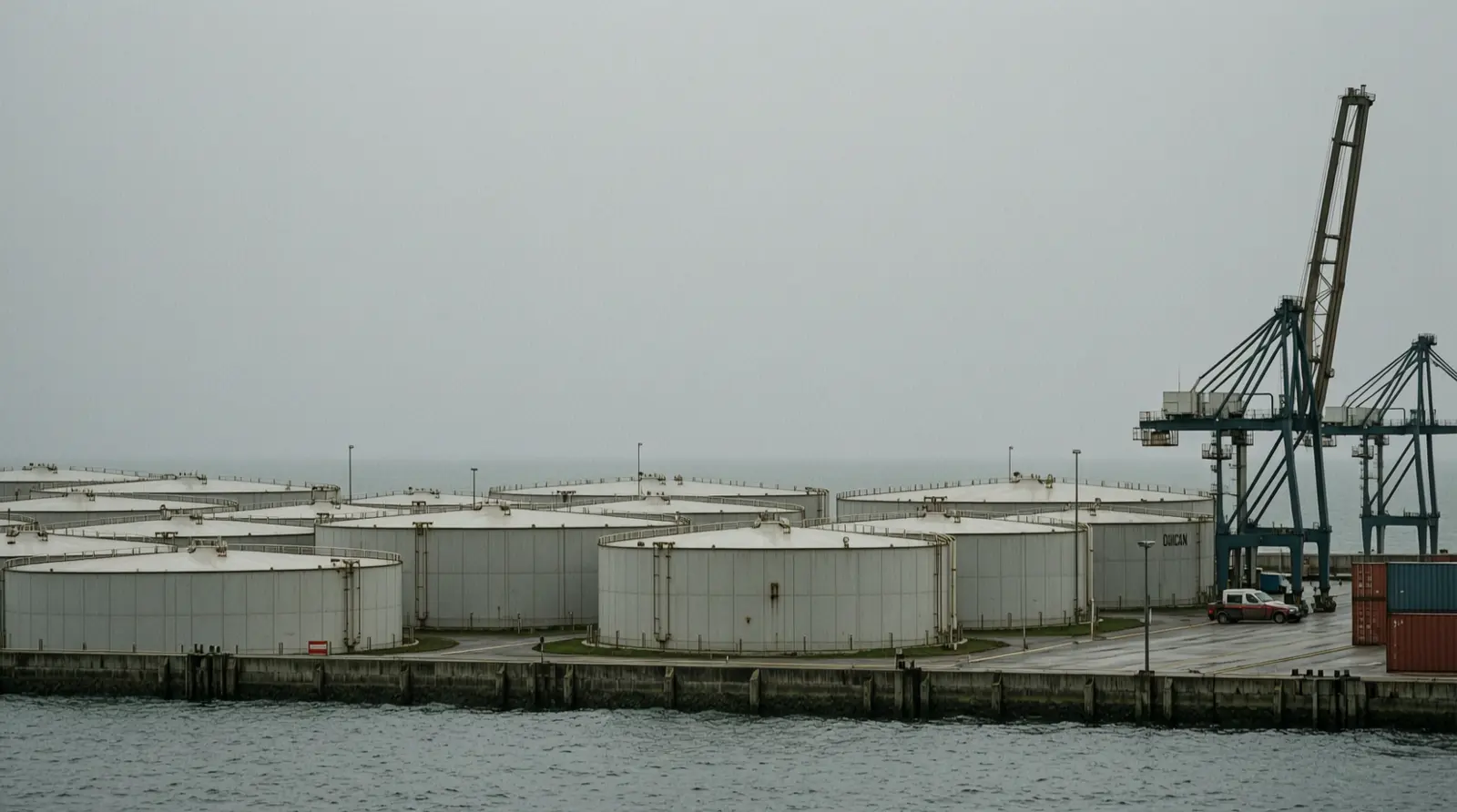
That is why the legal framing is not a side issue. If statutes, regulations or sanctions waivers are ambiguous, counterparties will treat the risk as real. They may demand more documentation, reroute cargoes, or avoid the trade altogether. In diesel markets, a missing cargo at the margin can matter more than a headline announcement, because seasonal demand and refinery outages are physical problems, not statements.
The price benchmarks add another complication. Brent at $125.44 is an international marker; WTI at $96.24 is a US marker. The wide spread suggests that any relief from Russian diesel will depend on where the fuel lands, what it displaces and whether it changes regional balances. A cargo diverted to one port can ease local availability without moving the broader retail price, especially if transport, blending or distribution costs remain tight.
Price relief is not a cargo guarantee
Critics argue the deal is unlikely to reduce prices, and the mechanism behind that doubt is simple: more diesel helps only if it adds usable supply in the right place. The market needs to know whether the deal adds new barrels or merely redirects barrels that would have reached other buyers through longer routes. If Russian diesel simply replaces fuel from another supplier, the net addition to global supply may be small.
There is also a timing problem. Diesel prices respond to refinery runs, inventories and freight, not only to crude. Elevated crude prices can keep refiners cautious, particularly if margins are squeezed or if product inventories are low. A policy deal announced today does not instantly become delivered fuel; it becomes a possible cargo, then a contract, then a movement, then a discharge. Each step takes days or weeks.
The political dispute may also affect enforcement. If critics in Europe, Ukraine or the Republican Party keep pressure on the deal, agencies may interpret exemptions narrowly. That could reduce the number of firms willing to participate. In shipping and commodities, participation is the point: a deal that is technically allowed but commercially awkward may move little.
The open question is whether the administration can turn the decision into a credible, enforceable channel for Russian diesel without widening the sanctions fight. If it cannot, the market will treat the deal as optional supply. Optional supply does not anchor prices. It only adds another variable to a diesel balance already stretched by high crude.
- 01Brent crude was $125.44 on 6 October.
- 02WTI crude was $96.24 on 6 October.
- 03Trump defended his decision to allow Russian diesel.
- 04European, Ukrainian and some Republican critics have opposed the deal.
- 05Critics say the deal raises legal questions and may not cut prices.
Interpretation, not reporting. The facts above carry their tiers; this is one correspondent’s reading of them.
The market test is not whether Trump can defend the deal, but whether the deal can actually move fuel. I would treat price relief as doubtful until the policy survives the legal questions and produces visible supply. Criticism from European officials, Ukrainian officials and Republican allies does not by itself stop a cargo, but it raises the chance that the deal is implemented narrowly. The Brent-WTI spread, with Brent at $125.44 and WTI at $96.24, shows how uneven the energy picture already is. A Russian diesel cargo could ease one balance without changing the broader price. If the administration cannot answer the legal and political pressure, the deal may remain optional supply. What would change my view is sustained evidence that fuel is arriving and displacing scarce barrels, rather than a one-off political announcement.
— Tomás Ferreira
Every claim in this article, and what it rests on
We do not ask you to take our word for it. Each statement below carries its tier and its sources. Where sources disagree, you get both accounts and what would settle it.
Brent crude was $125.44 on 2026-10-06.
WTI crude was $96.24 on 2026-10-06.
The Russian diesel deal drew criticism from European leaders or officials.
The Russian diesel deal drew criticism from Trump’s Republican allies.
President Trump defended his decision to allow Russian diesel.
The Russian diesel deal drew criticism from officials in Ukraine.
The deal exposed the US to legal questions.
The deal is unlikely to reduce prices.
The case against this story
Written by an adversarial reviewer, not the correspondent
The strongest case against this story is that it assembles a narrative of sweeping backlash against Trump's Russian diesel decision by stacking criticism from multiple directions—Ukraine, Europe, and even Republican allies—but the actual evidence for each strand may be thin or rely on marginal voices rather than mainstream figures. The claim about legal questions is vague and could rest on speculative commentary rather than concrete statutory or regulatory concerns. The assertion that the deal is unlikely to reduce prices is predictive and may lack rigorous economic analysis. The inclusion of specific oil prices (Brent at $125.44 and WTI at $96.24) may be designed to create alarm about energy costs rather than to illuminate the diesel deal's actual market impact, and the unusually wide $29 spread between the two benchmarks raises questions about data accuracy. Taken together, the story may present a coordinated pile-on narrative that overstates the breadth, depth, and significance of opposition to a policy decision that could be more nuanced than portrayed.
Who benefits from this framing: Democratic political interests benefit from framing Trump as soft on Russia ahead of elections. European energy companies benefit from blocking Russian diesel competition in their markets. Domestic US refiners and diesel producers benefit from keeping Russian imports out. Ukraine-aligned advocacy groups benefit from maintaining maximum economic pressure on Russian exports. Environmental groups that oppose increased fossil fuel trade also benefit from framing the deal as both legally dubious and economically ineffective.
Report an error in this article
Subscriptions open at launch
Global Materials Review will be a paid publication. Reading is free while we build the archive — leave an address and we will write to you once, when subscriptions open.