
Iran's Hormuz signals put tankers between reopening and threats
Conflicting Iranian statements over the strait could move tanker cover, freight rates and crude flows before any physical blockade is confirmed.
 Tomás FerreiraEnergy, shipping and chokepoints
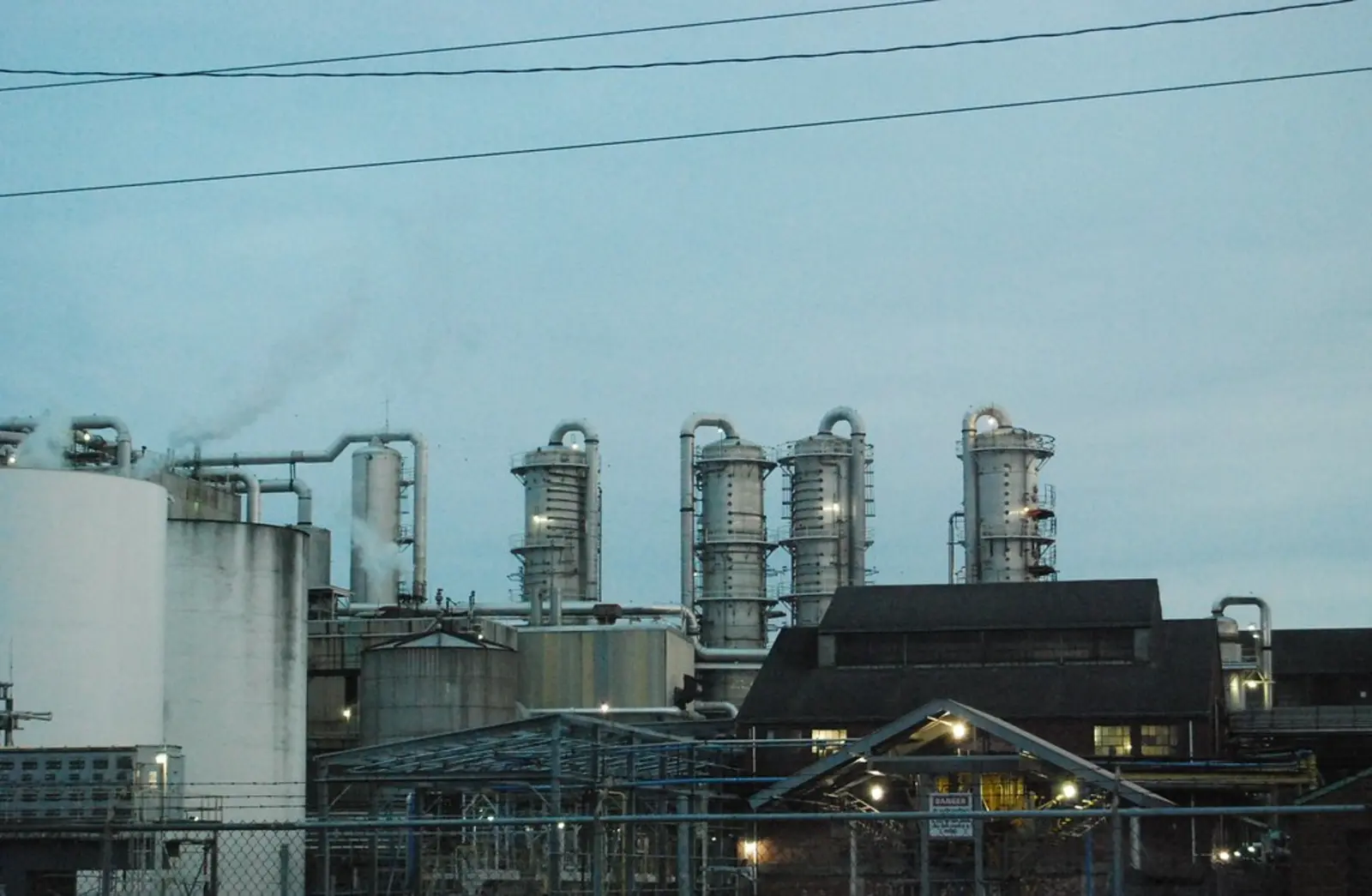
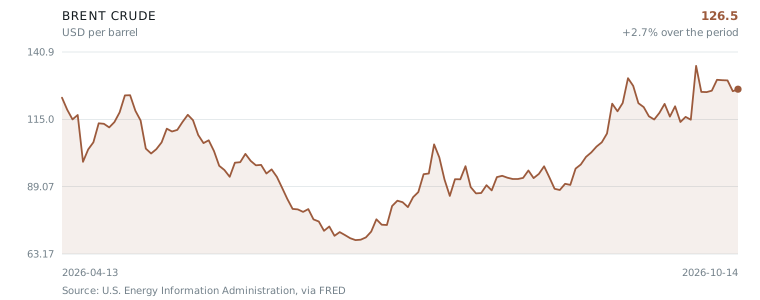
Market readings on 14 October showed Brent at 126.55, WTI at 101.91 and Henry Hub gas at 3.22. Reports from Iran describe both a plan to open the Strait of Hormuz and a statement that it is closed, alongside threats against ships violating the closure. The gap between firm price data and unsettled political signals is the risk physical markets must price.
The firmest numbers in the Iran story are not the words from Tehran but the market readings on 14 October. Brent stood at 126.55, WTI at 101.91, and the spread between them was roughly 24.64. Henry Hub natural gas, by contrast, was at 3.22.
That combination matters because a chokepoint scare usually shows up first in risk premia: higher crude cover, higher freight, and a reluctance to fix cargoes that must pass a narrow waterway. But the same scare should also be tested against what is actually being said, and the Iranian statements are pulling in opposite directions.
Two messages from Tehran
Iran’s foreign minister has disclosed a plan to open the Strait of Hormuz, according to reports. Separately, Iran has stated that the strait is closed. Those are not the same posture. One points to restored transit, or at least a negotiated path back to transit. The other points to a prohibition, whether partial, temporary or rhetorical.
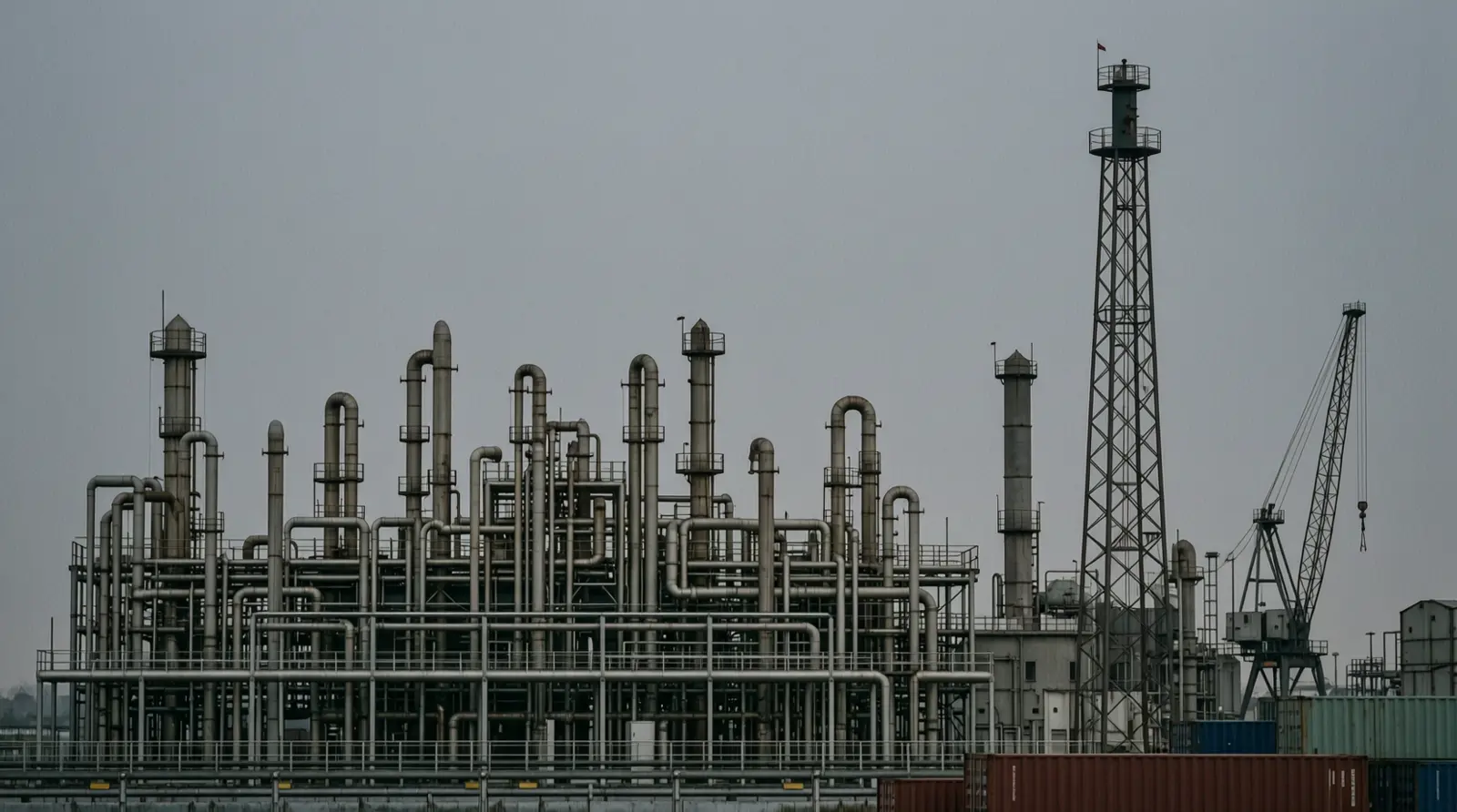
The more severe report is that Iran threatened to destroy ships that violate the closure. It is also the least settled part of the picture. That language would matter enormously if it were confirmed, because it changes the calculus for shipowners, charterers and insurers. A closed lane with a threat of force is not just a routing problem; it is a war-risk question.
The next signal will not be a speech; it will be whether vessels are fixed, covered and allowed to pass.
But the reopening statement and the closure statement cannot both be treated as settled fact at the same time. If the foreign minister is already discussing a plan to open the strait, the closure may be limited or conditional. If the closure is real, the reopening plan may be a diplomatic offer rather than an operational order. The market is left to price the gap.
Insurers will price the threat before politicians resolve it
For physical markets, the mechanism runs through insurance, freight and cargo scheduling. Underwriters do not need a final political verdict to act. They can raise premia, demand extra warranties or decline cover for particular transits. Once cover becomes expensive or scarce, freight rates follow, because shipowners pass through war-risk costs and demand compensation for crew exposure.
Charterers then face a different question: load now and pay more, wait for clarity, or seek a route that avoids the threatened passage. Each choice has a cost. A delay ties up a vessel and pushes delivery windows. A detour adds days, fuel and port calls. A decision to wait can tighten prompt supply even if no cargo is physically destroyed.
This is why conflicting signals can move markets without a single confirmed attack. The price of moving crude is set at the margin by the worst credible disruption. If the threat is believed, premia rise. If the reopening plan is believed, some of that charge can come out quickly.
The crude readings on 14 October are consistent with a market carrying risk, but they do not prove the cause. Brent at 126.55 was far above WTI at 101.91, a spread of about 24.64 that can reflect regional tightness, transport constraints or quality differences. The same day, Henry Hub gas was at 3.22. That is a much calmer number, and it weakens the idea that every energy market was pricing an immediate supply shock.
The gas price is a quiet check
A genuine chokepoint crisis would not necessarily lift every commodity at once. Gas and crude can diverge because their supply basins, contract structures and storage positions differ. Still, a low Henry Hub print is a useful caution. It suggests that at least one major energy benchmark was not trading as if the global supply system had already been broken.
The practical question for traders is therefore not whether Iran said one thing or another, but which statement changes behaviour. Does a tanker owner avoid the strait? Does an insurer write cover? Does a cargo holder delay loading? Until those operational answers appear, the closure remains a risk to be priced rather than a physical fact to be assumed.
The open issue is timing. A reopening plan can be announced quickly, but confidence returns only when ships move without incident. A closure threat can be issued quickly, too, and can linger in freight and insurance long after the words are softened. The next signal will not be a speech; it will be whether vessels are fixed, covered and allowed to pass.
- 01Brent was 126.55 on 14 October.
- 02WTI was 101.91 on the same date.
- 03Henry Hub natural gas was 3.22.
- 04Reports say Iran's foreign minister disclosed a plan to open the Strait of Hormuz.
- 05Reports say Iran stated the strait was closed and threatened ships violating the closure.
Interpretation, not reporting. The facts above carry their tiers; this is one correspondent’s reading of them.
The market is pricing a chokepoint, but the political evidence is not yet a blockade. I would separate the hard numbers from the loud ones. Brent at 126.55 and WTI at 101.91 show crude carrying a heavy risk charge; Henry Hub at 3.22 shows gas refusing to confirm the same emergency. Iran’s foreign minister is reported to have disclosed a reopening plan, while Iran is also reported to have called the strait closed and threatened violators. Those signals can coexist only as bargaining positions, not as settled operational orders. If ships continue to be fixed and insured through the strait, the closure language will look rhetorical. If cover tightens or owners refuse prompt transits, the threat becomes physical. I would watch freight and insurance before speeches. What would change my mind is simple: confirmed transits without extra premia, or confirmed refusals to move. Until then, the safest interpretation is that the market is paying for optionality, not for a closed sea lane.
— Tomás Ferreira
Every claim in this article, and what it rests on
We do not ask you to take our word for it. Each statement below carries its tier and its sources. Where sources disagree, you get both accounts and what would settle it.
The BRENT instrument recorded a value of 126.55 for 2026-10-14.
The WTI instrument recorded a value of 101.91 for 2026-10-14.
The HENRY_HUB_GAS instrument recorded a value of 3.22 for 2026-10-14.
Iran's foreign minister disclosed a plan to open the Strait of Hormuz.
Iran stated that the Strait of Hormuz is closed.
Iran threatened to destroy ships that violate the Hormuz closure.
The case against this story
Written by an adversarial reviewer, not the correspondent
The story's overall picture is that Iran closed the Strait of Hormuz, threatened to destroy ships that violate the closure, and caused oil prices to spike. But this narrative rests on the lowest-confidence claims about Iranian statements while using high-confidence financial data to create an illusion of credibility for the whole story. The diplomatic claims contain an internal tension: Iran's foreign minister disclosed a plan to open the strait, while Iran stated the strait is closed. If the foreign minister is already planning to open it, the closure may be partial, temporary, or rhetorical rather than a physical blockade. The threat to destroy ships is at the lowest confidence tier, suggesting it may be based on indirect or incomplete reporting. Most critically, the story implies Iran's actions caused the oil price spike, but no evidence establishes this causal link. Prices could reflect speculation, OPEC decisions, broader market conditions, or trader psychology. The low Henry Hub natural gas price of 3.22 further undercuts the crisis narrative, as a genuine energy supply threat would likely affect gas prices too.
Who benefits from this framing: Oil speculators and commodity traders who are long crude oil benefit directly from panic-driven price spikes. Defense contractors and arms manufacturers benefit from narratives that frame Iran as a military threat requiring Western naval response. Gulf Arab states benefit from Iran being portrayed as a menace to shipping, which justifies continued US military presence and arms sales to the region. Hardline factions within Iran benefit from appearing powerful and threatening to global shipping. Oil-exporting nations generally benefit from higher prices justified by crisis narratives, even if actual supply is unaffected.
Report an error in this article
Subscriptions open at launch
Global Materials Review will be a paid publication. Reading is free while we build the archive — leave an address and we will write to you once, when subscriptions open.