
Diesel deal talk collides with refinery drone fires
If Russian diesel really reaches Turkey under US cover, sanctions risk shifts from paper to barrels.
 Tomás FerreiraEnergy, shipping and chokepoints
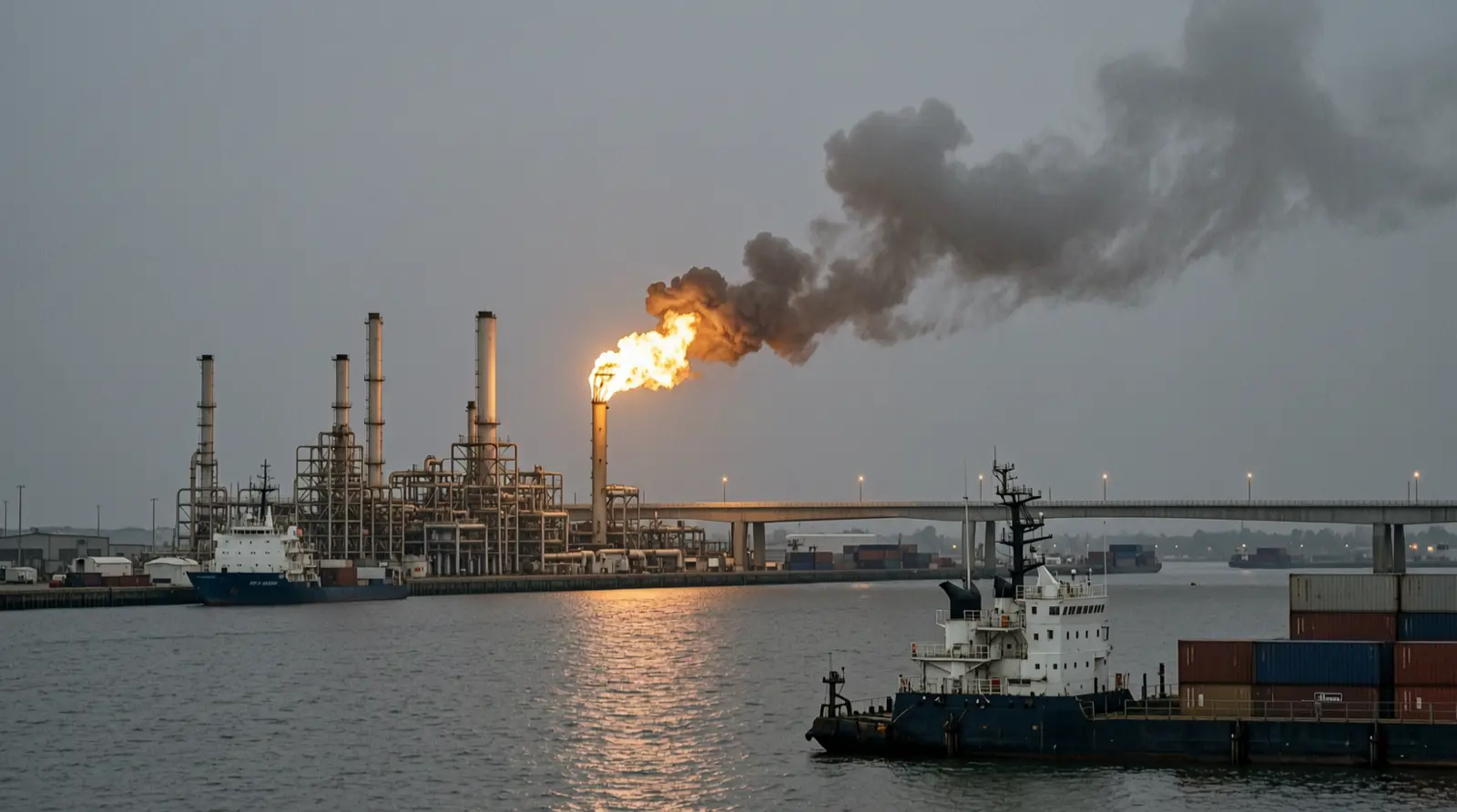
Brent and WTI printed at high levels on 14 October as reports of a US-Russia diesel supply arrangement and Ukrainian drone strikes on Russian oil facilities moved together. The arrangement and Turkey's role are not confirmed, but they point to a market testing sanctions risk through product flows. The physical question is whether diesel can move from Russian ports to Turkish buyers without triggering sanctions pressure.
Brent crude at $126.55 on 14 October is not just a high price; it is a market telling refiners to worry about the next cargo. WTI at $101.91 on the same day leaves a $24.64 gap between the benchmarks, enough to change which crude a Mediterranean refiner wants to run.
The spread between the two benchmarks is wide enough to make freight and delivery time decisive. A refiner choosing between crude grades will weigh days in transit against the discount on offer.
Into that price signal comes a story that is harder to confirm. Reports say Russia is supplying diesel to global markets under an agreement with US President Donald Trump. The same reports say Turkey would take some of that diesel.
A diesel flow that has not been confirmed
The central assertion is extraordinary: Russian diesel is moving under a US-Russia supply arrangement. No official confirmation from Washington, Moscow or Ankara is visible. This rests on a single source.
Trump is reported to have defended Russian sanctions relief and accused Ukrainian President Volodymyr Zelenskyy of not wanting to end the war. Those statements matter because they shape how banks, insurers and charterers read enforcement risk. A sanctions regime lives in paperwork as much as in law: if market participants believe relief is coming, they may bid differently, cover differently and accept cargoes they previously avoided.
Sanctions risk is not a binary switch. It moves through insurance, letters of credit, port acceptance and vessel scheduling. A cargo can be politically permitted but commercially impossible if one of those links refuses.
For sanctions risk, the test is not a headline but a ship: whether insurers cover the cargo, whether ports accept it, and whether banks process payments.
If the diesel arrangement is real, the mechanism is simple. Russian product moves, Turkey receives it, and Mediterranean buyers face a different competitive map. If it is not, traders who priced the risk have to unwind.
Drones hit the refinery side
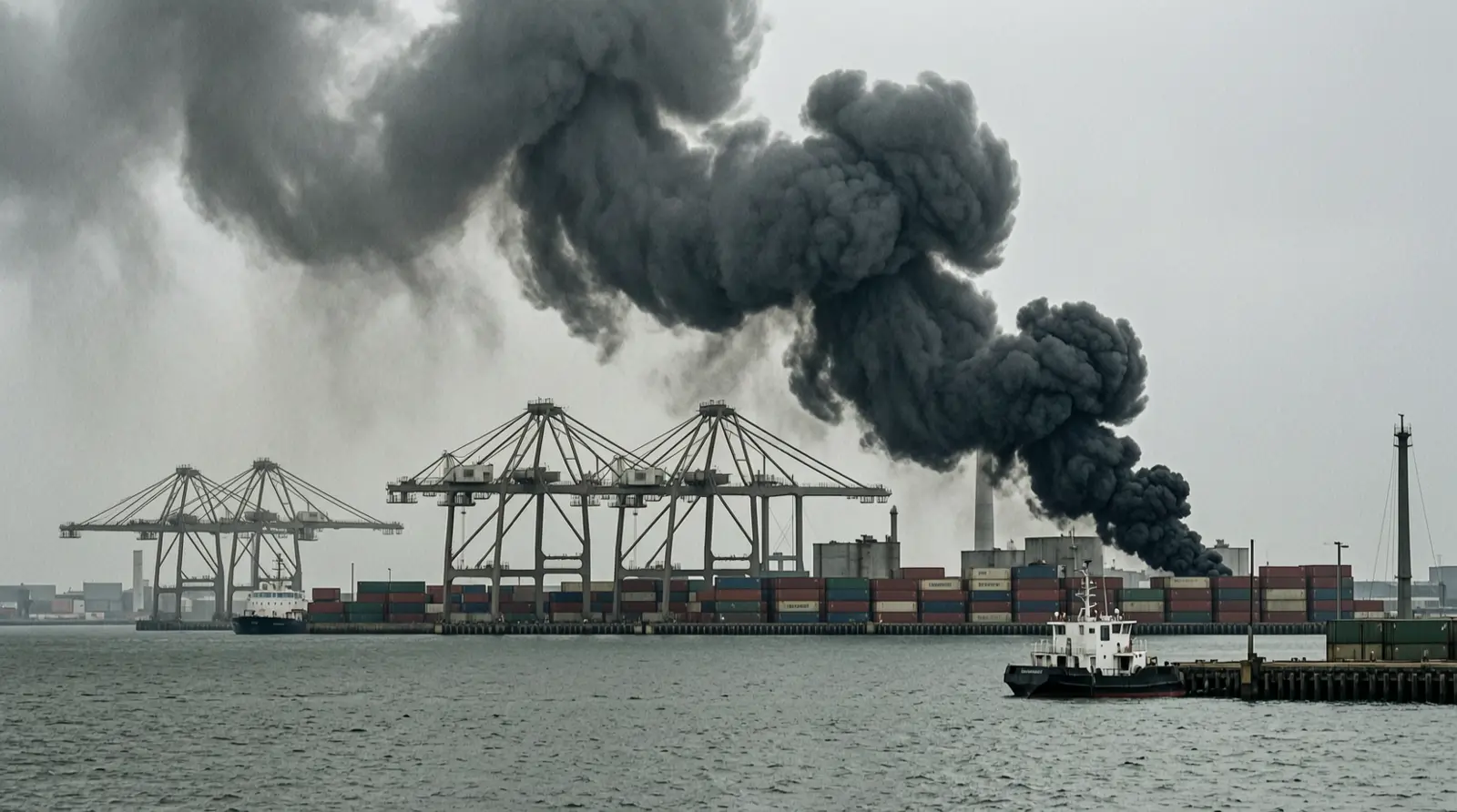
Ukraine said it launched over 1,000 drones at Russia. It also said the attacks set oil facilities ablaze. The military figure is large, but the physical effect is what matters for product markets.
A refinery fire does not merely remove crude processing. It can cut diesel output, force maintenance, and raise insurance premia for cargoes leaving nearby ports. The timescale is days to weeks, depending on which units are damaged. If refinery runs fall, Russia may have less product to export even if crude remains available.
Diesel is made in refineries, not at wells. That means product markets can react before crude markets. If oil facilities are burning, the first effect may be domestic processing disruption rather than an immediate change in crude exports.
That creates a tension. One part of the story points to more Russian diesel reaching the water. The other points to less Russian diesel being made. The market has to decide which force is stronger.
Turkey is the hinge
Turkey sits on the route between Russian Black Sea and Mediterranean ports. If Turkey takes some of the diesel, the cargo would likely move by tanker from Russian ports into Turkish storage or onward to consumers. The distance is short compared with alternative routes, which means the market impact could arrive quickly.
A short route can change pricing within a week; a long detour can turn a competitive cargo into a stranded one.
For sanctions risk, the test is not a headline but a ship: whether insurers cover the cargo, whether ports accept it, and whether banks process payments. If those services are available, the diesel flows. If they are not, the cargo sits.
The open question is whether Washington tolerates the flow or treats it as a breach.
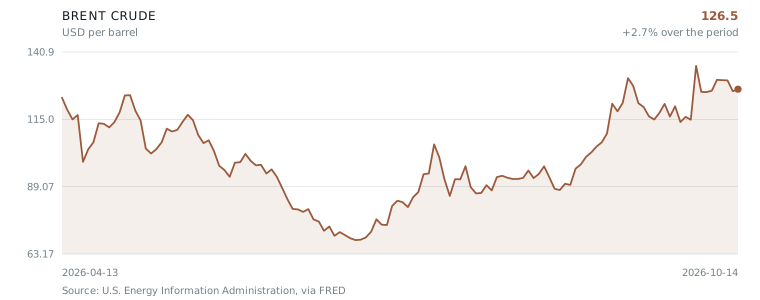
- 01Brent crude was $126.55 on 14 October.
- 02WTI crude was $101.91 on 14 October.
- 03Reports say Russia is supplying diesel under a US-Russia arrangement.
- 04Reports say Turkey would take some of that diesel.
- 05Ukraine said more than 1,000 drones set Russian oil facilities ablaze.
Interpretation, not reporting. The facts above carry their tiers; this is one correspondent’s reading of them.
The market is being asked to price two opposite signals at once. One says Russian diesel may move into global trade under a reported US-Russia arrangement, through Turkey. The other says Ukrainian drones have set Russian oil facilities ablaze, which should reduce product availability. I side with the physical test over the political one. Until insurers, ports and banks treat the diesel as acceptable, the arrangement is words. If they do, the market will see it in cargoes, not speeches. The spread between Brent and WTI matters because it shows how quickly geography can reprice. If Turkey accepts Russian diesel, nearby buyers gain a shorter route and other suppliers lose leverage. If refinery damage is real, Moscow may have less to send regardless of any political understanding. I would watch for ships moving and any official response from Washington, Moscow or Ankara. If no ships move and no government confirms the arrangement, the risk premium should fade. If ships move, sanctions enforcement has changed.
— Tomás Ferreira
Every claim in this article, and what it rests on
We do not ask you to take our word for it. Each statement below carries its tier and its sources. Where sources disagree, you get both accounts and what would settle it.
Brent crude was 126.55 on 2026-10-14.
WTI crude was 101.91 on 2026-10-14.
US President Donald Trump defended Russian sanctions relief.
Donald Trump accused Ukrainian President Zelenskyy of not wanting to end the war.
Ukraine launched over 1,000 drones at Russia.
Ukraine’s drone attack set oil facilities ablaze in Russia.
Russia is supplying diesel to global markets under an agreement with US President Donald Trump.
Turkey will take some of the diesel Russia is supplying under the US-Russia supply deal.
The case against this story
Written by an adversarial reviewer, not the correspondent
The story's most consequential assertions — that Russia is supplying diesel to global markets under an agreement with Trump and that Turkey will take some of that diesel — are extraordinary geopolitical claims that would require official confirmation from the US, Russian, or Turkish governments. No such confirmation is apparent. These claims carry the heaviest narrative weight but rest on the thinnest support. The precise oil price figures (Brent 126.55, WTI 101.91) are presented at the highest confidence tier without a named market data source, which is necessary for specific numerical claims. Meanwhile, the claim that Ukraine launched over 1,000 drones is a specific military figure that requires official or battlefield sourcing. The overall framing conveniently constructs a narrative where Russia is a cooperative energy partner, Trump is a peacemaker brokering supply deals, and Ukraine — accused by Trump of not wanting to end the war — is the obstacle to peace. Each element reinforces the others, but the load-bearing claims (the diesel deal, Turkish participation, precise prices, and the 1,000-drone figure) are the weakest links.
Who benefits from this framing: Russia benefits most: it is portrayed as a cooperative global energy supplier working under a US-brokered deal rather than a sanctioned aggressor. Trump benefits from being depicted as a dealmaker arranging energy supply agreements. Interests seeking sanctions relief on Russian energy benefit from the implication that Russian diesel is already flowing to global markets, including through NATO member Turkey. The framing that Zelenskyy 'doesn't want to end the war' shifts blame for the conflict's continuation onto Ukraine, benefiting narratives that seek to reduce Western military and financial support for Kyiv. The high oil price figures create economic urgency that could be leveraged to justify lifting sanctions on Russian energy exports.
Report an error in this article
Subscriptions open at launch
Global Materials Review will be a paid publication. Reading is free while we build the archive — leave an address and we will write to you once, when subscriptions open.